
Lieferung heute & morgen

Qualitätsgarantie

Willkommens-Angebote freischalten: KOSTENLOSE Lieferung | Bis zu 80 % RABATT | Kostenlose 30-Tage-JoyPlus-Testphase
App herunterladen
Anyone searching for authentic Korean kimchi often faces the challenge of finding a variety that not only tastes great but is also practical for pantry storage. The selection of fresh and shelf-stable kimchi is vast, and the differences in ingredients, packaging, and flavour can be confusing. This guide is designed to help you make an informed decision when you want to buy kimchi. We're focusing on shelf-stable options known for their long shelf life and ease of use, presenting a selection of products based on objective features.
To find the right variety for your needs, it helps to be familiar with a few basic criteria. These points will help you better understand the product information.
Shelf-stable kimchi is typically offered in two types of packaging: a tin can or a sealed pouch.
An authentic Korean recipe for kimchi often includes animal-derived ingredients like fish sauce (from anchovies) or fermented shrimp paste (saeu-jeot). These products are unsuitable for vegan, vegetarian, or Halal diets.
Therefore, pay close attention to the ingredient list. Manufacturers offering vegan kimchi usually indicate this clearly on the packaging. Here, animal-based components are replaced with plant-based alternatives without losing the characteristic fermented flavour. Soy is a common ingredient in vegan versions and must be declared as an allergen.
Although kimchi made from napa cabbage (Baechu-kimchi) is the most well-known variety, there are numerous other types. A popular alternative is radish kimchi (Kkakdugi). It consists of diced Korean radish and has a firmer, crunchier texture than napa cabbage kimchi. The choice here depends entirely on your personal preference for taste and consistency.
Here is a selection of shelf-stable kimchi products that stand out for their specific characteristics and ingredients.
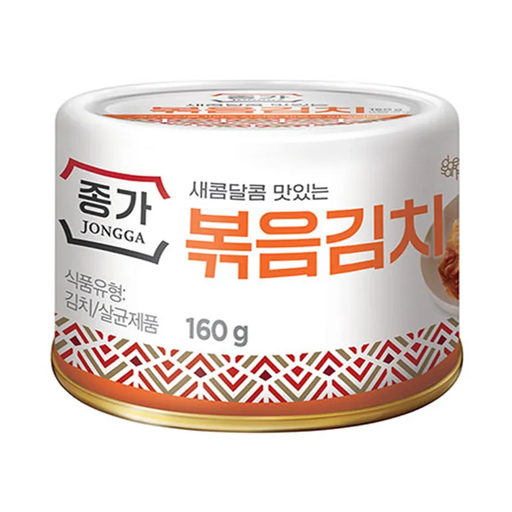
Why It Stands Out: This variety from Jongga is a roasted kimchi. The roasting process gives the kimchi a deeper, slightly smoky aroma that sets it apart from classic, purely fermented kimchi.
Benefits:
Who It's For: Individuals who appreciate the traditional taste of kimchi but are looking for a variety with an additional, more complex aroma. It is not suitable for vegans or those with fish and crustacean allergies, as it contains fermented anchovy and shrimp sauce.
View Product: Jongga Roasted Kimchi 160g
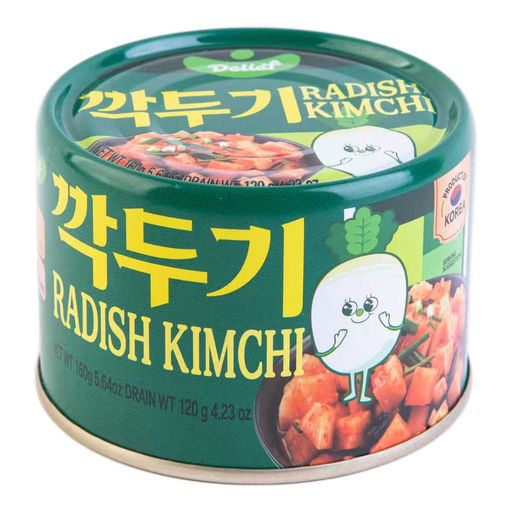
Why It Stands Out: This is a classic radish kimchi (Kkakdugi) in a can. The radish cubes offer a crisp and juicy texture that provides a pleasant contrast to softer foods.
Benefits:
Who It's For: Fans of Korean cuisine looking for an alternative to classic napa cabbage kimchi and who prefer a crunchier consistency. Due to the included shrimp extract, this product is not suitable for vegans or those with allergies.
View Product: Delief Cubic Radish Kimchi 160g
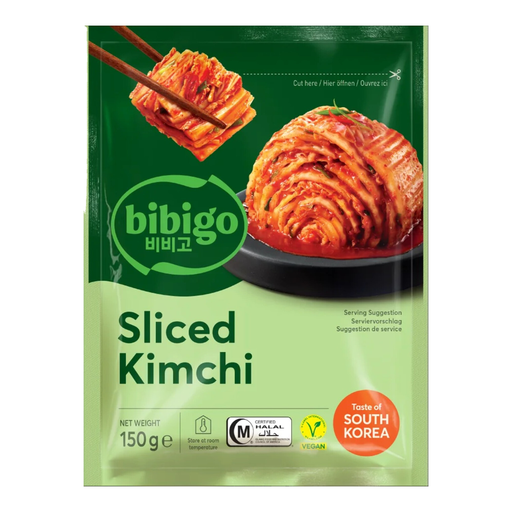
Why It Stands Out: The bibigo Kimchi is a certified vegan and halal option. It is made without fish sauce or other animal products, instead using soy peptone as a starter culture to achieve the authentic fermentation flavour.
Benefits:
Who It's For: Health-conscious consumers, vegans, Muslims, and anyone looking for a shelf-stable kimchi without animal ingredients. It is a versatile ingredient for bowls, wraps, or as a side dish.
View Product: bibigo Kimchi Ambient 150g
The selection presented here covers different tastes and dietary requirements. However, if you wish to explore other varieties, from bulk packs to different vegetable types, you can find a broader range of products in our comprehensive category.
Explore Our Entire Range of Fermented Kimchi Here
Unopened canned kimchi can often last for several years when stored in a cool, dry place. You can find the exact best-before date on the packaging. After opening, the contents should be transferred to a sealable container, stored in the refrigerator, and consumed within a few days.
No, that is a common misconception. Many traditional recipes labelled as authentic Korean contain fish sauce, shrimp paste, or other seafood to enhance the umami flavour. If you are looking for vegan kimchi, look for products explicitly labelled as "vegan" or check the ingredient list carefully.