
Lieferung heute & morgen

Qualitätsgarantie

Willkommens-Angebote freischalten: KOSTENLOSE Lieferung | Bis zu 80 % RABATT | Kostenlose 30-Tage-JoyPlus-Testphase
App herunterladen
A new storage shelf promises to bring more order and style to your home. But the reality is often different: a wobbly shelf that sags after just a few months, a surface that swells at the first sign of moisture, or a model that doesn't fit into the intended nook despite careful measurements. Such experiences are not only frustrating but also a waste of time and money.
As your Joybuy Product Recommendation Officer, I see daily which features define a durable and functional shelf, and which marketing promises often fall short. This guide will show you the three most common pitfalls in shelf buying and provide you with objective criteria to make an informed decision.
Before you decide on a model, you should be aware of these typical problems to avoid a costly mistake.
To avoid the problems mentioned above, focus on the following three objective criteria.
The material is the primary determinant of your shelf's longevity and stability.
Always check the manufacturer's stated maximum load capacity per shelf. A value of 5 kg is sufficient for decoration, but for books or kitchen appliances, it should be at least 10-15 kg.
The type of shelf must suit your space and your needs.
The surface protects the material and defines the style.
Here are some recommendations tailored to specific user profiles that purposefully avoid the pitfalls mentioned.
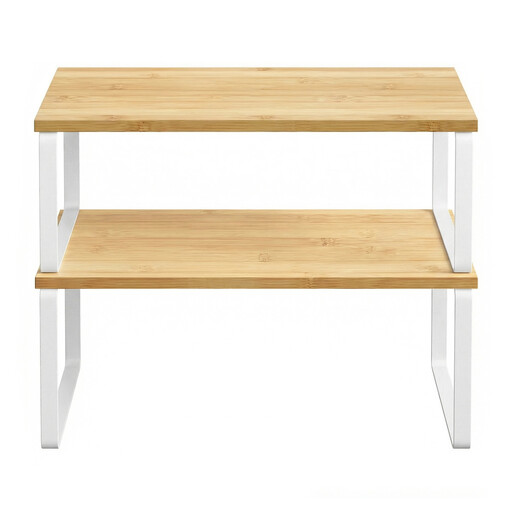
Why This Fits Their Persona: Ideal for anyone looking to maximise limited space in kitchen cabinets or on the countertop. The set can be stacked, nested, or used separately to flexibly adapt to the available space.
Solves the problem of ill-fitting dimensions with its expandable and stackable design. The sturdy construction of metal and engineered wood is designed to handle the weight of spices and canned goods.
Flexible, adaptable design as a cabinet organiser. Stable material combination with a static load capacity of 15 kg per shelf.
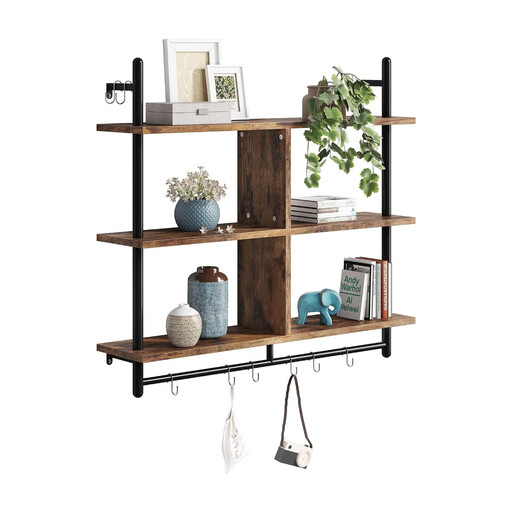
Why This Fits Their Persona: For those who want a functional shelf that also makes a strong visual statement. The combination of metal pipes and wood planks embodies the urban loft character and enhances any wall.
Prevents the problem of instability through solid wall mounting and a robust metal pipe frame. The design is engineered for durability and reliable performance.
Striking industrial design as an eye-catching feature. Sturdy wall-mounted construction creates a floating look and saves floor space.
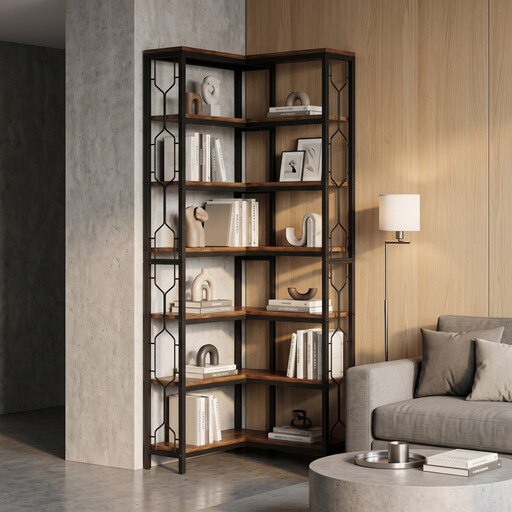
Why This Fits Their Persona: Perfect for book lovers or collectors who need a lot of storage but have limited floor space. This shelf utilises unused corners, transforming them into an impressive display area.
Directly addresses stability concerns: a reinforced metal frame, an included anti-tip kit, and a high load capacity of up to 45 kg per shelf ensure the necessary stability, even when fully loaded.
Maximum space efficiency as a corner shelf. Exceptionally high load capacity for heavy books or collectibles.
We have compiled a complete, up-to-date list of products that fully meet these strict selection criteria and safety standards.
The load capacity of a wall shelf depends on three factors: the construction of the shelf itself, the type of your wall, and the quality of the installation. Lightweight floating shelves for decoration often only hold 3-5 kg. Sturdy models with brackets can support 15 kg or more per shelf. Always check the manufacturer's specifications and use wall anchors and screws appropriate for your wall.
In the bathroom, you need materials that are resistant to moisture and temperature fluctuations. Good choices include powder-coated stainless steel, aluminium, or plastic. If you prefer a wooden bathroom shelf, make sure it is specially treated wood (e.g., bamboo) or MDF with a waterproof, all-around seal.
A freestanding shelf offers flexibility as it can be moved at any time. It stands on the floor and requires no drilling, but for safety, it should be secured to the wall with an anti-tip kit if it is over 1 metre high. A wall-mounted shelf is installed directly on the wall, saving floor space and creating a lighter, floating appearance. The installation is more involved but provides very high stability when done correctly.