Collectors who need custom catalogue fields
If you want to define your own details and search them later, first check which fields and operating systems your cataloguing software supports.


Choose your cataloguing software first, then pick a laptop whose operating system, photo workflow, storage and ports meet its requirements. You’ll need Windows to use Microsoft Access as a desktop application; macOS or ChromeOS may be suitable if your chosen cataloguing solution works on them. Test custom fields, image linking and export with a sample collection, and plan to keep a separate backup.
If you want to define your own details and search them later, first check which fields and operating systems your cataloguing software supports.
If you link images to individual items, look for a straightforward import and viewing process, as well as enough storage for your photos.
If you don’t catalogue only at your desk, weigh up the laptop’s weight, whether your files are available locally and how you’ll keep a separate backup.
A good fit if: You want to use Access or other cataloguing software that requires Windows.
Things to consider: Check which Access licence you need and the requirements of the specific software.
A good fit if: Your chosen cataloguing solution supports macOS. LibreOffice includes Base, a database component for tables and forms.
Things to consider: Access is a Windows desktop application. Also check whether you’ll need an adapter or hub for any USB-A accessories you already own.
A good fit if: Your cataloguing software works on the Chromebook and you’ve tested your photo and export workflow in advance.
Things to consider: The ability to make selected Drive files available offline doesn’t mean that any cataloguing app will work offline too.
| What you need | What to check before buying | Who is this important to? |
|---|---|---|
| Custom fields and software | Check the fields, search and export features supported, along with the operating system required by the specific application. | If I need custom fields, I want to be sure the software lets me create and search them. For around 36% of consumers, choosing the right software and fields comes first. |
| Linking and storing photos | Check how the application links images, the SSD capacity and the ports you’ll need for a camera, card reader or external storage. | If I manage lots of object photos, I want to link them easily to the right item and find them again. For around 29% of consumers, photo and storage needs come first. |
| Backing up your collection | Check whether you can back up the database and image folder together, then test that you can restore them. | If my catalogue and photos belong together, I want to be able to restore both if my device fails. A reliable backup comes first for around 21% of consumers. |
| Cataloguing on the go | Check the weight and display of the specific model, as well as whether the application and the files you need are available offline. | If I catalogue in different places, I need access to the data I require even without a reliable connection. Mobility is the top priority for around 14% of consumers. |
An application may require a particular operating system. If a laptop doesn’t meet that requirement, the right ports or a suitable display won’t make it any more useful.
Start by creating a sample catalogue with custom fields and photos. Then check the software’s system requirements and make sure it can export the way you need it to.
If you have only one usable copy of your database and its images, you could lose your catalogue and photos at the same time.
Back up your database and image files separately from your laptop, and check from time to time that you can restore both.
ThinkPad and IdeaPad models come in different sizes and configurations for Windows-based cataloguing. Be sure to check the full specification of the exact model.
The ProBook range is a Windows option if you need several types of port at your cataloguing desk.
The MacBook Air is a macOS option if your chosen cataloguing software works with this operating system.
The MateBook 14 Core Ultra is a Windows alternative if display size and ports matter for your photo workflow.
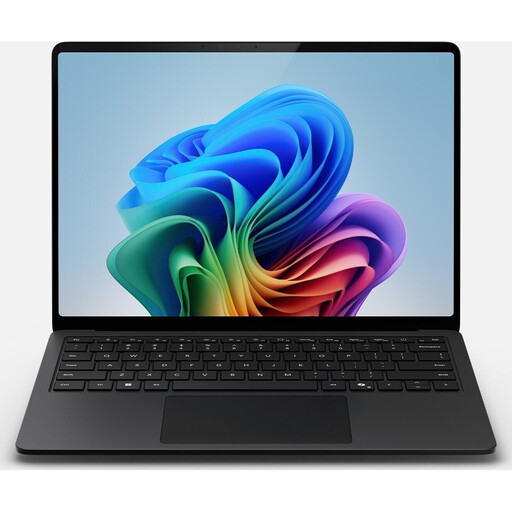
A Windows laptop for cataloguing software that supports Windows, and for managing catalogue files and photos locally.
 No image available
For cataloguing software that supports Windows; custom fields depend on the features of the application you choose.
Windows 11 Pro, 16 GB RAM, 512-GB SSD, 13.8-inch display, 1.34 kg and USB 4.0 ports.
Check whether the specific model can be charged via USB-C; the USB 4.0 specification alone doesn’t tell you this.
No, Access isn’t the only way to create a database with custom fields. Microsoft Support describes Access as a Windows desktop application; LibreOffice Base offers tables and forms, while the provider of GS Sammlungsverwaltung 5 describes customisable field names. Try a sample catalogue to check that the fields, photos and export options suit your workflow.
Back up the database and its image files together, then test that you can restore them. The Verbraucherzentrale recommends backing up your data so that photos and other important files aren’t stored only on your laptop.
According to the German Federal Government, laptops sold in the EU must have a USB-C charging port from 28 April 2026. For the specific model you’re considering, also check its charging capabilities, power supply and the ports you need for a camera, card reader or storage.
When you buy from a retailer, statutory consumer rights are separate from a voluntary guarantee. The Verbraucherzentrale explains that, in general, the retailer is responsible for the goods being free from defects at the time of delivery for two years. Consumers buying online also usually have a 14-day right to cancel; the terms of the specific purchase apply.