
Lieferung heute & morgen

Qualitätsgarantie

Willkommens-Angebote freischalten: KOSTENLOSE Lieferung | Bis zu 80 % RABATT | Kostenlose 30-Tage-JoyPlus-Testphase
App herunterladen
A new shelf should create order, provide storage, or showcase your decorative items. But the sheer number of options can quickly become overwhelming. Well-intentioned purchases often result in wobbly structures, sagging shelves, or unsuitable materials. As your Joybuy Product Recommendation Officer, I'll help you navigate the typical pitfalls and make an informed decision.
The most common problems when buying shelving don't stem from the price, but from overlooked details. Here are three critical points that often lead to disappointment:
To avoid these mistakes, it's crucial to check a few key parameters before you buy.
Instead of being swayed by marketing promises, you should focus on three verifiable criteria. These determine whether a shelf is suitable for your purpose and will perform its function in the long term.
Choosing the right material is fundamental to your shelf's longevity.
The stability of a shelf depends on two factors: its construction and correct assembly.
Choose the type based on the available space and its intended use.
Here are some product recommendations tailored to specific use cases and the criteria mentioned above.
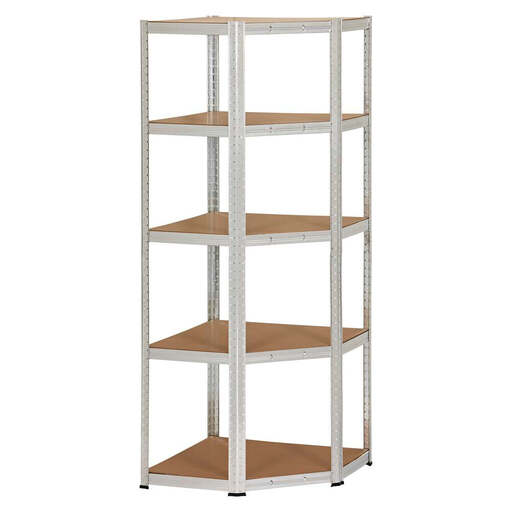
Why This Fits Their Persona: Ideal for users who want to maximise unused corners in their garage, workshop, or basement to safely store heavy tools, supplies, or car accessories.
The galvanised steel frame resists corrosion in damp basements. The clear specification of 175 kg load capacity per shelf is a reliable metric for a heavy-duty unit. The MDF boards are designed for storing dry goods in these environments.
High total load capacity of 875 kg; smart interlocking system for straightforward assembly; optimally uses space as a corner shelf.
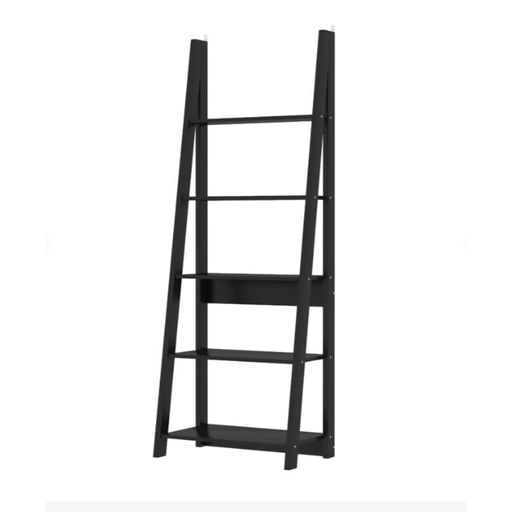
Why This Fits Their Persona: Perfect for anyone looking for a functional piece of furniture that also serves as a modern design statement in the living room or bedroom. Ideal for displaying books, plants, and decorative objects.
This shelf is explicitly designed for use in dry living spaces. The melamine-coated particle board construction is rated for the intended load of books and decor, avoiding the material trap of being used in a damp environment.
Modern, space-saving ladder design; open shelves create an airy look; serves as both a bookcase and a stylish decorative element.
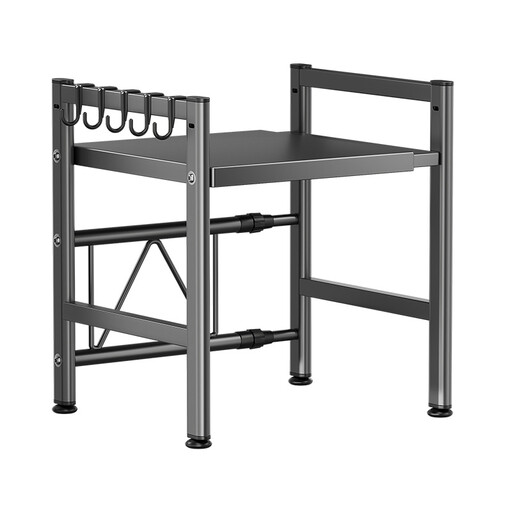
Why This Fits Their Persona: For anyone wanting to create valuable vertical storage on their kitchen countertop. This rack is specifically made to be placed over a microwave, providing space for spices, dishes, or other small appliances.
The carbon steel construction is robust enough for kitchen use. Thanks to its expandable width, the rack adapts perfectly to the size of the microwave, thus avoiding the instability of an ill-fitting, generic shelf.
Adjustable in width from 39 to 62 cm; creates two additional storage surfaces; includes 5 hooks for kitchen utensils.
We've compiled a complete, up-to-date list of products that fully meet these strict selection criteria and UK safety regulations.
1. How do you securely attach a shelf to the wall? Securely mounting a wall shelf or anchoring a freestanding unit is crucial. Always use a spirit level to ensure the shelf is straight. Even more important is choosing the right wall plugs and screws for your wall type. For concrete or brick walls, expansion anchors are suitable, while special hollow-wall anchors are required for plasterboard. Check the manufacturer's instructions and, if in doubt, consult a professional.
2. What does the maximum load capacity of a shelf mean? The specified maximum load capacity usually refers to a single shelf with the weight distributed evenly. This means the weight should be spread over the surface, not concentrated in one spot. Additionally, the total load capacity of the entire unit (the sum of all shelves) should not be exceeded. A good rule of thumb for stability is: heavy items at the bottom, lighter ones at the top.
3. What material is suitable for a basement shelf? For a typical basement, which can be prone to dampness, a metal shelf is the best choice. Look for galvanised or powder-coated steel, as these surface treatments protect the metal from rust. Untreated wood or shelves made of MDF/particle board are not recommended for such environments, as they can absorb moisture, swell, and lose their structural integrity.