
Lieferung heute & morgen

Qualitätsgarantie

Willkommens-Angebote freischalten: KOSTENLOSE Lieferung | Bis zu 80 % RABATT | Kostenlose 30-Tage-JoyPlus-Testphase
App herunterladen
Shelving creates storage space, displays books and ornaments, or makes use of wall space and corners that might otherwise go unused. But choosing the right option involves more than colour and style. If you decide based on the product photo alone, you could easily overlook load capacity, fixings, material and the actual dimensions.
A decorative shelf may be suitable for photo frames or small plants, but that doesn’t mean it can automatically support heavy books or crockery. With a floating shelf in particular, the connection between the wall, wall plugs, brackets and shelf is crucial. Any stated load capacity only applies when the shelf is fitted correctly to a suitable wall.
With a wall shelf, width isn’t the only measurement that matters. Depth also affects whether doors, walkways and work surfaces remain clear. For example, a 15 cm-deep wall shelf is more suitable for small ornaments, spices or toiletries than for large ring binders.
For a freestanding shelf, you should also take skirting boards, radiators and the space needed to move around the room into account. A corner shelf can save space, but it needs two sufficiently clear sections of wall.
“Wood effect” doesn’t necessarily mean solid wood. It often refers to MDF or coated wood-based materials. These can be suitable for dry indoor spaces, but are more sensitive to standing water. For bathroom or kitchen shelving, it’s particularly important to check the finish, care instructions and recommended use.
Measure the space you have in mind at three points at least: width, height and depth. If the walls are uneven, allow for a small margin. For books, the internal dimensions of the shelves matter. A shelving unit with compartments should have enough height and depth for the items you plan to store.
A practical guide:
Look for a clear indication of the maximum load. For wall-mounted options, the wall plugs and screws must suit the wall type. Concrete, solid brick, plasterboard and hollow brick all require different fixings. The hardware supplied won’t necessarily be suitable for every wall.
Where possible, place heavy items on the lower shelves of a freestanding unit. A tall piece of furniture may need additional anti-tip restraints. Never exceed the stated maximum load, and distribute weight evenly.
A wooden shelf made from solid wood may feel and perform differently in humid conditions from an MDF shelf. A lacquered or melamine finish makes cleaning easier, but doesn’t protect the shelf from prolonged exposure to water.
For shelving in a living room, bedroom or office, dry cleaning will often be sufficient. In the kitchen or bathroom, check whether the manufacturer specifically recommends the product for use in a more humid environment. Ventilation behind a wall shelf and its distance from heat sources can also affect how well it holds up over time.
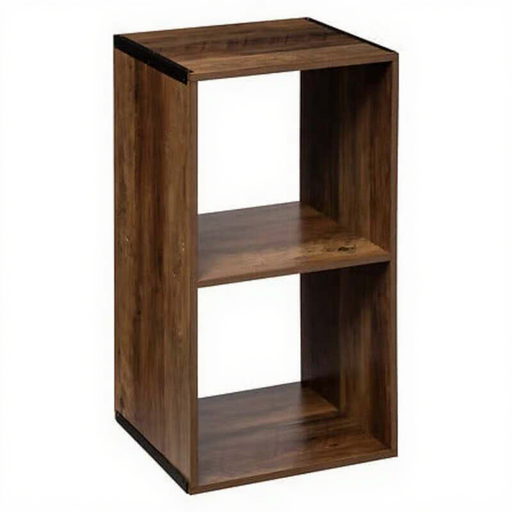
Why it suits this profile: This freestanding shelving unit has six compartments and measures 67.7 × 32 × 100.5 cm. It can be used in the living room, office or hallway to store books and everyday essentials.
The compartment layout makes the storage space easy to see, helping you distribute the load more carefully rather than overloading individual shelves.
Six compartments, dark natural tones, an MDF construction and self-assembly. Each compartment measures around 31 × 31 × 31 cm.
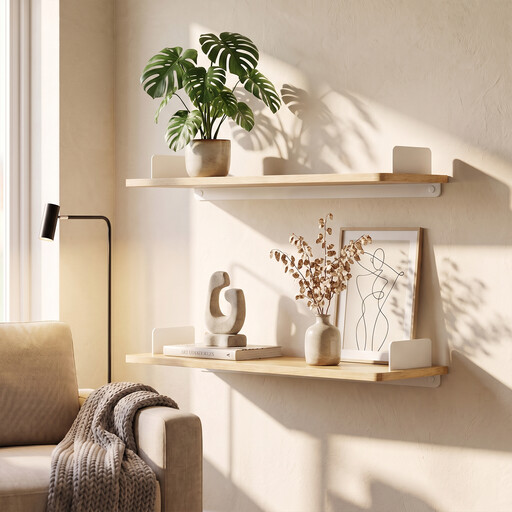
Why it suits this profile: FSC-certified solid rubberwood, a lacquered finish and aluminium alloy make this a good choice for a clean, streamlined wall display in the living room, office, kitchen or bedroom.
The product listing states a maximum load of 44 lb, or around 20 kg. Choosing the right wall fixings is still essential, and these must be suited to the wall type.
Wall-mounted design, lacquered solid wood, metal brackets and included fitting materials. Suitable for books, plants, photo frames and smaller kitchen or bathroom essentials.
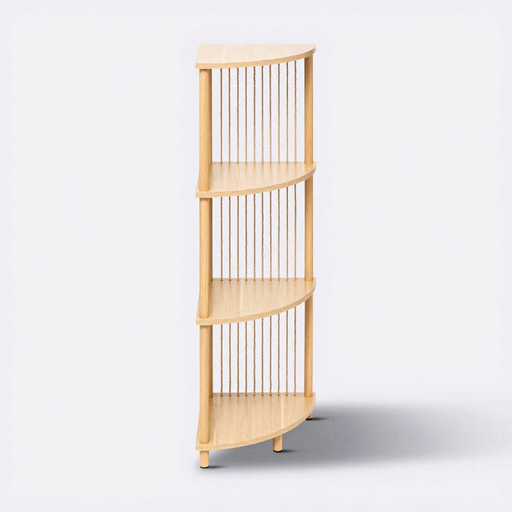
Why it suits this profile: Measuring 34 × 34 × 110 cm, this slim corner unit makes use of an empty corner and offers four tiers for plants, ornaments or lightweight everyday items.
The stated maximum load of 10 kg sets a clear limit, helping prevent the compact unit from being overloaded with heavy books or crockery.
Four tiers, a height-stable construction, steel feet, MDF components and FSC certification according to the product listing. Designed for indoor use.
We’ve put together a comprehensive, regularly updated list of products that meet these strict selection criteria and fully comply with the safety regulations in force in the EU.
First, check the type of wall and use suitable wall plugs and screws. Mark the drilling points accurately, check that the shelf is level, then carefully tighten the fixings once it’s installed. Do not exceed the load limit.
Its lifespan depends on the material, installation, weight, humidity and care. Check regularly for loose screws, warping and damaged surfaces. MDF should be protected from standing water.
The price depends on factors such as material, size, construction, finish and the fitting materials supplied. Don’t just compare the purchase price: also consider the number of shelves, load capacity, assembly effort and whether it’s suitable for the room you have in mind.