
Lieferung heute & morgen

Qualitätsgarantie

Willkommens-Angebote freischalten: KOSTENLOSE Lieferung | Bis zu 80 % RABATT | Kostenlose 30-Tage-JoyPlus-Testphase
App herunterladen
A new shelf promises order and more space. But reality often looks different: after just a few months, the shelf starts to sag, the surface warps in the bathroom, or the unit doesn't fit the corner as expected. Before you invest, it's crucial to understand the common pitfalls that only become apparent after your purchase.
This guide will show you what to look for when choosing a shelf to find a durable and functional solution for your home. We focus on the key characteristics that separate a good shelf from an unsuitable one.
Many products look appealing online but prove impractical in daily use. Pay close attention to these three points to avoid disappointment:
To avoid the problems mentioned above, you should check three technical aspects before buying. These will reveal the product's quality and longevity.
The material determines the stability and the ideal location for the shelf. Common materials include:
A safe shelf stands firm and won't tip over, even when loaded. Check for the following features:
The maximum load capacity is one of the most important but often-overlooked specifications.
Here are some models tailored to specific needs that meet the quality criteria mentioned above.
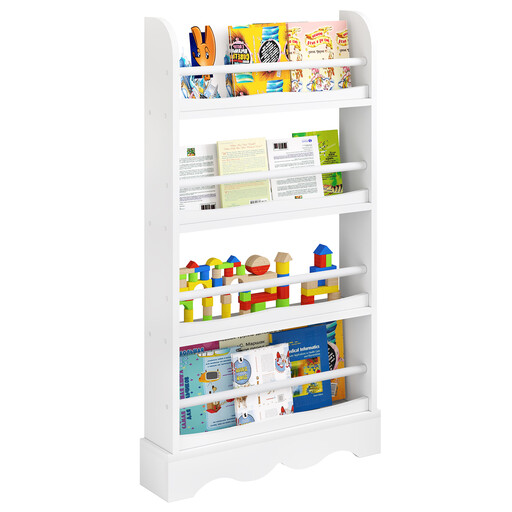
Why This Fits Their Persona: This shelf is specifically designed for the needs and safety of children. Its 108.5 cm height allows children to independently access and put away their books and toys.
It directly addresses the pitfall of instability with an included anti-tip device. The rounded corners and front retaining bar on each tier minimise the risk of injury and prevent items from falling off.
Made from P2-grade MDF, which is a stable and safe material choice for a child's room. Its shallow 12 cm depth makes it extremely space-saving.
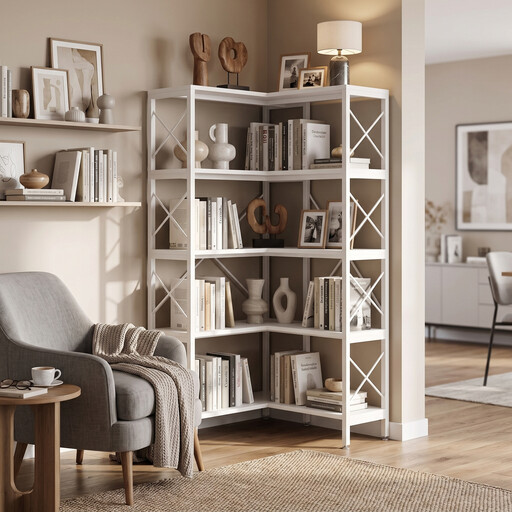
Why This Fits Their Persona: Ideal for those in smaller apartments or anyone looking to make practical use of unused corners in the living room, bedroom, or home office. This corner shelf transforms dead space into valuable storage.
It solves the problem of impractical dimensions by filling a specific niche. The metal frame with an X-brace ensures high stability, and the adjustable feet compensate for uneven floors, preventing any wobbling.
A high load capacity of 20 kg per shelf makes it suitable even as a bookshelf. The scratch-resistant boards are also durable and low-maintenance.
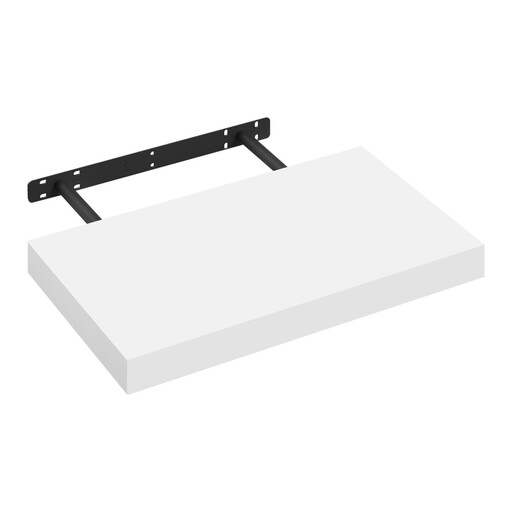
Why This Fits Their Persona: Perfect for anyone seeking an unobtrusive, modern storage solution. This wall-mounted shelf or floating shelf creates a clean look, as the mounting hardware is invisible after installation.
The product description is transparent about its materials (E1-class MDF) and load capacity. The clear specification of a maximum load of 10 kg when evenly distributed prevents overloading and sagging.
The laminated surface is resistant to moisture and warping, allowing it to be used as a wall shelf in the kitchen or bathroom. Installation is straightforward thanks to the included mounting hardware.
We've curated a complete, up-to-date list of products that fully meet these strict selection criteria and rigorous safety standards.
The secure installation of a wall shelf depends on the wall type. Check whether you have a solid brick wall, a plasterboard wall, or another type of construction. Always use wall plugs and screws appropriate for your wall. A spirit level is essential to align the shelf perfectly. Never exceed the maximum load capacity specified by the manufacturer.
The E1 class is a European standard that regulates formaldehyde emissions from engineered wood products like MDF or particleboard. E1-class products release only a very low, harmless amount of formaldehyde and are therefore fully suitable for indoor use.
The load capacity varies greatly depending on the construction and material. A simple wall shelf for decoration might only hold 5 kg per board. In contrast, a sturdy freestanding shelf with a metal frame and thick boards can support 20 kg or more per shelf. Always check the load capacity per shelf specification in the product details to ensure it is sufficient for your books or items.