
Lieferung heute & morgen

Qualitätsgarantie

Willkommens-Angebote freischalten: KOSTENLOSE Lieferung | Bis zu 80 % RABATT | Kostenlose 30-Tage-JoyPlus-Testphase
App herunterladen
A shelf should create storage space without overwhelming the room. In small homes especially, unclear dimensions, unsuitable materials or incorrect installation can quickly lead to disappointing purchases. Before buying shelving for living rooms and small spaces, it is therefore worth taking a close look at the dimensions, load capacity and intended use.
A slim shelf may look suitable at first glance, but it also needs additional space for skirting boards, doors, window handles or cables. With a corner shelf, you should also check whether the actual depth is sufficient along both walls. Make a note of the following before buying:
A freestanding shelf should be an appropriate height for the ceiling. A small gap makes installation easier and prevents the furniture from becoming wedged when you put it in place.
Terms such as “stable” or “robust” are difficult to assess without specific figures. The key factors are the maximum total load, the number of compartments and the intended weight distribution. Books, ceramics and file folders place considerably more strain on a shelf than lightweight decorative items.
The load capacity cannot automatically be applied to each individual compartment. With several levels, the weight should be distributed evenly. Heavy items should be placed as low down as possible.
A wall shelf or hanging shelf requires fixings suitable for the wall. Wall plugs and screws must be compatible with concrete, brick, plasterboard or another type of wall construction. Some models are specifically not suitable for plasterboard walls. Even a fully assembled shelf must be securely fixed if it is wall-mounted.
For a shelf that needs to be assembled, the installation time and number of people required are also relevant. This information helps you plan realistically and avoid surprises during assembly.
A small shelf with limited depth is suitable for picture frames, plants, spices or small accessories. For books and file folders, you should match the compartment height and depth to the items you already own. A bookcase with several open compartments gives you quick access, while a model with doors keeps some of the contents out of sight.
A corner shelf is a practical choice for unused corners. A vertical model makes use of the room’s height without taking up much floor space. A slim shelf, on the other hand, often fits in hallways, beside sofas or between a cupboard and the wall.
A shelf made from MDF with a coated surface can usually be cleaned with a dry cloth. In the kitchen and bathroom, however, you should still check whether the model is suitable for higher humidity levels. A “sustainable shelf” should be assessed not just by its appearance, but by clear and verifiable material and certification details.
Pay attention to the stated load capacity and any warnings. Freestanding furniture can tip if loaded unevenly. Wall fixing or an anti-tip device may be required, particularly in households with children. With a shelf with compartments, the load should be distributed evenly across the levels.
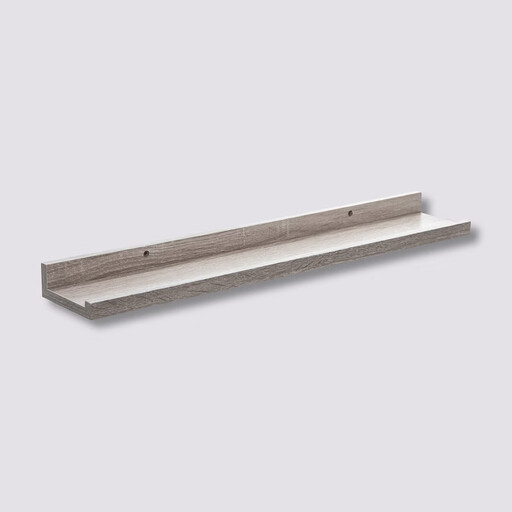
Why this product suits this profile: This shallow wall shelf is just 10 cm deep, making it suitable for small decorations, picture frames or kitchen accessories.
The specific dimensions and maximum load of 3 kg make the intended use clear and help prevent poor planning.
MDF construction, 58 cm length, 10 cm depth and FSC certification stated in the product description.
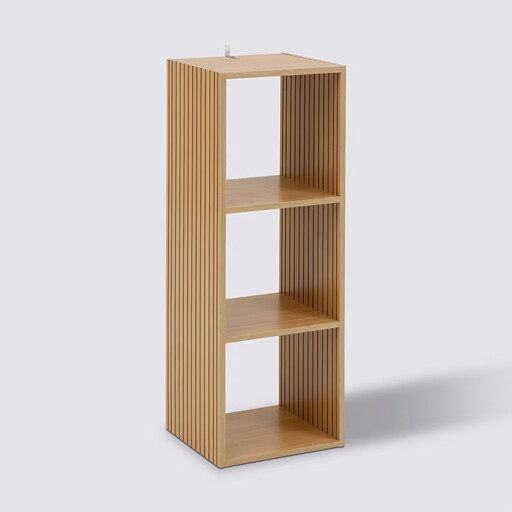
Why this product suits this profile: This freestanding shelf combines bamboo with MDF and chipboard elements, providing vertical storage for the living room, bathroom or kitchen.
The product details specify a maximum total load of 35 kg, dimensions of 35 × 32 × 102 cm and an assembly time of around 20 minutes.
FSC certification stated in the product description, a product weight of 10,7 kg and a material mix of bamboo, MDF, chipboard and zinc.
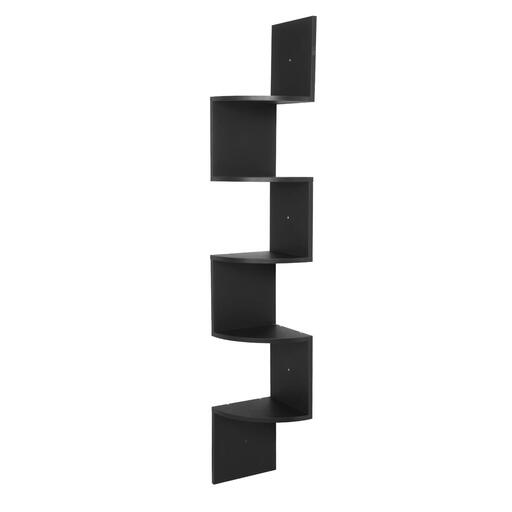
Why this product suits this profile: The five tiers make vertical use of a corner and are designed for books, CDs, plants, toiletries or kitchen utensils.
The details specify dimensions of 25 × 25 × 156 cm, an overall load capacity of around 15 kg and the important note that it is not suitable for plasterboard walls.
E1 MDF with a PVC finish, five compartments and integrated invisible hanging hardware, according to the product description.
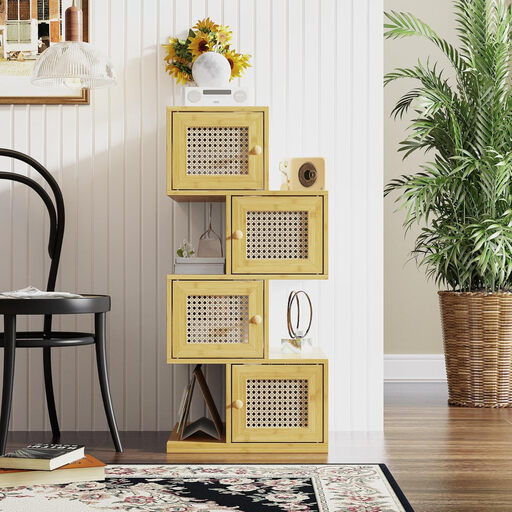
Why this product suits this profile: This slim piece of furniture with a bamboo frame, rattan doors and four compartments combines open storage with partially enclosed sections.
The product description gives the compact dimensions of 85 × 40 × 25,4 cm and specifies four compartments.
A bamboo frame, rattan doors and a combination of visible display space and concealed storage, according to the product details.
We have put together a complete, regularly updated list of products that fully meet these strict selection criteria and the safety regulations applicable in the EU.
A depth of 10 to 20 cm is often sufficient for pictures, small plants and decorations. Books usually need more room, depending on their format. Measure the items you already own and allow a little extra space. For a corner shelf, take both sides and the position of skirting boards into account.
First check the type of wall and use suitable wall plugs and screws. The shelf’s load capacity only applies when it has been installed correctly. Plasterboard walls require special fixings; some products are not approved for this type of wall. Heavy items should be distributed evenly.
A shelf for the kitchen and bathroom should have an easy-care surface. Bamboo and coated MDF may be suitable depending on the product, but they need protection from prolonged damp and direct contact with water. The manufacturer’s specific care and usage instructions are decisive.