
Lieferung heute & morgen

Qualitätsgarantie

Willkommens-Angebote freischalten: KOSTENLOSE Lieferung | Bis zu 80 % RABATT | Kostenlose 30-Tage-JoyPlus-Testphase
App herunterladen
A shelving unit should create storage space without overwhelming the room. However, unclear measurements, missing safety information or unsuitable materials can quickly lead to a disappointing purchase. This applies just as much to a bookcase in the living room as to a kitchen shelf, bathroom shelf or narrow hallway shelving unit.
A tall freestanding shelving unit may seem space-saving, but it could require more depth than expected. This can be especially important in small flats or narrow hallways, where a depth of 30 cm can make all the difference. Before buying, measure the available floor space, including skirting boards, doors and walkways.
The number of shelves says little about the actual load-bearing capacity. Books, files, crockery and plant pots can place considerable weight on individual shelves. Look for a stated maximum load per shelf and, wherever possible, distribute heavy items across the lower shelves.
A freestanding shelving unit can tip over if it is loaded unevenly or comes into contact with children or pets. Wall fixing or an anti-tip kit is an important safety measure for tall models. The shelving unit should also stand on a level surface and, where available, be aligned using adjustable feet.
First measure:
A shelving unit with multiple levels makes efficient use of the room’s height. For example, a narrow shelving unit with six compartments can be placed in an alcove, entrance area or next to a desk. An corner shelf or L-shaped design is suitable for corners, while a low side table or shelving unit can be placed beneath a window or next to the bed.
The choice of material should suit both the room and how the shelving unit will be used:
For kitchens and bathrooms, check whether the shelving unit is specifically designed for these environments. A kitchen shelf should provide enough space for spices, food storage containers or cookbooks. In the bathroom, splashing water, ventilation and care instructions are particularly important.
Check whether the package includes fixing materials, assembly instructions, an anti-tip kit or adjustable feet. For tall models, a combination of a broad base, evenly distributed load and wall fixing is essential. Do not exceed the maximum load capacity; heavy items should be placed at the bottom.
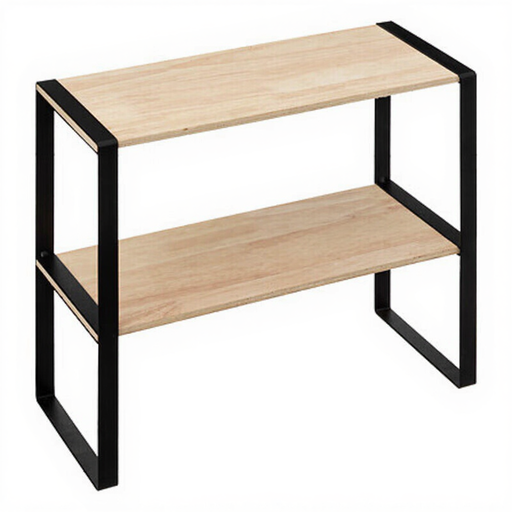
Why this product suits this profile: This compact side shelving unit measures 40 × 30 × 35 cm, making it suitable for small kitchens, bedside tables or limited work surfaces.
The dimensions and total load capacity of 10 kg, or 5 kg per shelf, are clearly stated. This makes it easier to assess whether it is suitable for your intended use.
Two levels, freestanding placement and an easy-care composite wood surface.
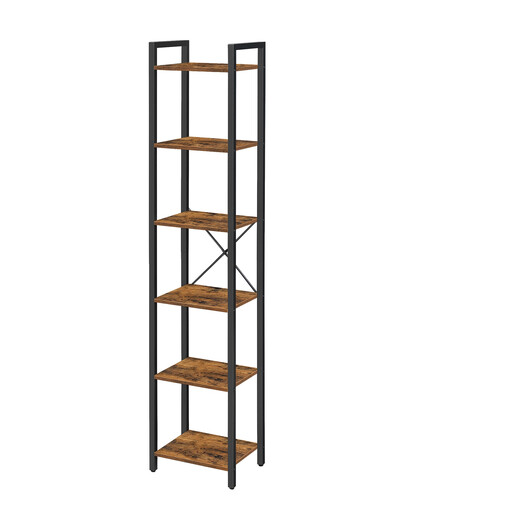
Why this product suits this profile: Measuring 30 × 40 × 187.5 cm, this freestanding shelving unit combines vertical storage with a steel frame and is designed for living rooms, offices, bedrooms or narrow alcoves.
X-braces, adjustable feet and an anti-tip kit address common stability concerns. The stated maximum load capacity is 50 kg.
Six levels, a steel frame and stated wall fixing for safe use.
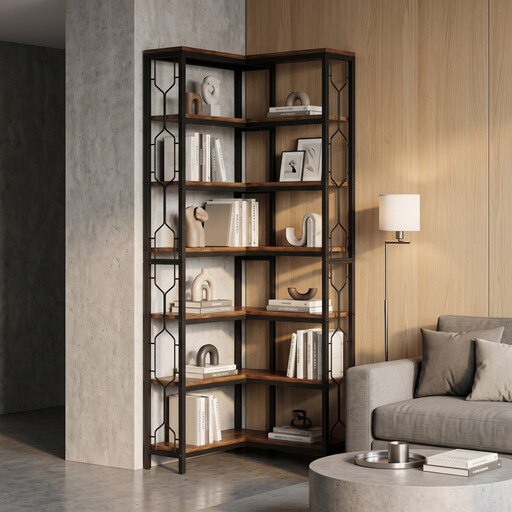
Why this product suits this profile: The L-shaped design, measuring 60 × 60 × 200 cm, makes use of corners in the living room, kitchen or home office and provides seven shelves for books, plants and decorations.
Adjustable feet, anti-tip fittings and side rails support controlled use. The load limit of up to 45 kg per shelf is stated.
Seven levels, a powder-coated metal frame and a footprint designed for corners.
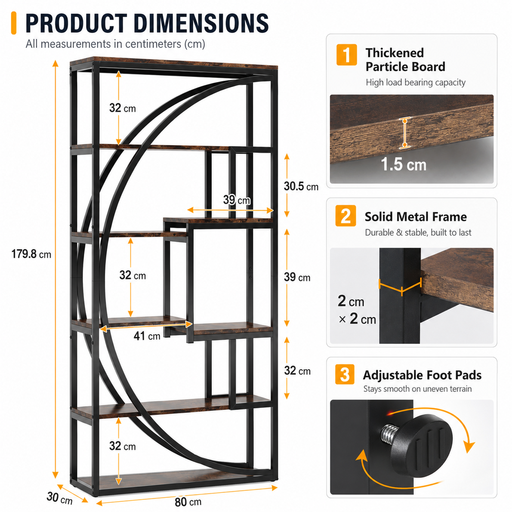
Why this product suits this profile: Measuring 80 × 179.8 × 30 cm, this bookcase offers five levels and eight open compartments for books, work documents and decorations.
The relatively shallow depth of 30 cm supports vertical storage. According to the product description, assembly instructions and fixing materials are included.
Five shelves, eight open compartments and a combination of a black metal frame with a brown wood effect.
We have put together a complete, regularly updated list of products that fully meet these strict selection criteria and the safety regulations applicable in the EU.
After assembly, check all screws and test the stability of the shelving unit. For tall models, using the supplied anti-tip protection is recommended. Heavy books or files should be placed in the lower compartments, with lighter decorative items at the top.
For a longer service life:
For standard books, a depth of around 25 to 30 cm is often sufficient. Large art books, files or vinyl records require more space. The key is to ensure that the shelf size suits the items you want to store and that the shelving unit does not protrude into the walkway.
A space-saving shelving unit with a shallow depth and multiple levels makes use of vertical space rather than floor space. Corner shelving units are an option for unused corners. A wall shelf saves floor space, but it must be securely fixed with fittings suitable for the wall material.
Its service life depends on the material, load, assembly and care. A shelving unit that is evenly loaded and placed on a level surface will generally remain stable for longer. Moisture, overloading and a lack of wall fixing can shorten its usable life. Before buying, therefore, check the dimensions, load capacity, materials and safety features.