What to look for when buying
Steam iron with a precision tip
A good fit if: You regularly work on collars, button bands and seams on an ironing surface.
The trade-off: A water tank and steam mean extra refilling and maintenance. A precision tip is specified for the Braun and Tefal models mentioned, but not for every iron.
Iron with a dry-iron setting
A good fit if: You want to use heat and pressure without switching on steam for every collar.
The trade-off: Dry ironing is specified for the Grundig SI 4850. The right temperature and suitability still depend on the shirt fabric and its care label.
Handheld garment steamer
A good fit if: You want to freshen up a dry shirt on a hanger and can’t set up an ironing board.
The trade-off: Steaming a hanging garment is different from pressing it on a surface; don’t expect to create a sharply defined collar edge.
Steam generator iron
A good fit if: You regularly iron large numbers of shirts and have space to set up and store the unit and ironing board.
The trade-off: An extra unit isn’t automatically an advantage if you only need to work on individual collars and space is limited.
The table groups the options by the main priorities of people looking to smooth shirt collars when space is limited.
| Priority |
What to check before buying |
Who it matters to |
| Precise collar edge |
Tip shape and ease of handling; space for a firm ironing surface. |
If I want to smooth edges and seams precisely, I need a tip that can reach those areas easily. Around 33% of consumers put precise collar work first. |
| Limited space |
Work surface and storage; with a garment steamer, also allow room to hang the shirt and let it air. |
If I can’t set up a large ironing board, I want to know whether a clear hanging space is enough for the way I work. Around 27% of consumers say using less space is their top priority. |
| Fabric suitability |
Care label and suitable temperature setting; only use steam if the fabric allows it. |
If I care for shirts made from different fabrics, I want to set the temperature and use of steam according to each care label. Around 20% of consumers put fabric suitability first. |
| Use of steam |
Check whether steam can be switched off; don’t confuse freshening up with drying freshly washed laundry. |
If hanging and airing space is limited, I want to use steam only when it’s needed for my ironing. Around 20% of consumers make using steam sparingly their main priority. |
Irons for shirt collars when space is limited
This selection includes irons designed for use on an ironing surface, including compact and travel-friendly models. Before buying, check which design, settings and ironing method best suit your available space and your shirts’ care labels.
 No image available
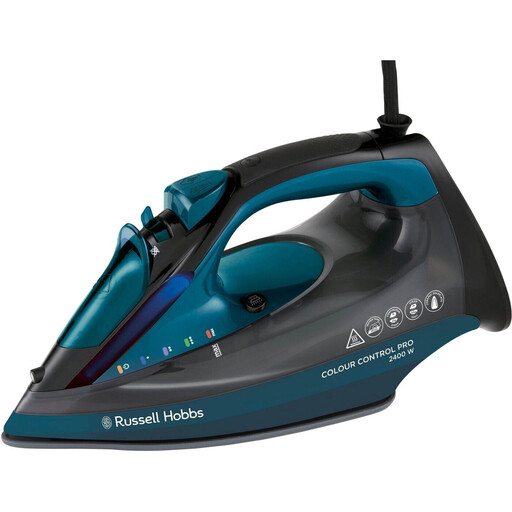
Russell Hobbs Colour Control Pro 27280-56 steam iron
As a traditional steam iron, it’s an option for collars you’re working on over a suitable surface; check the tip shape on the specific model.
View at Joybuy
 No image available
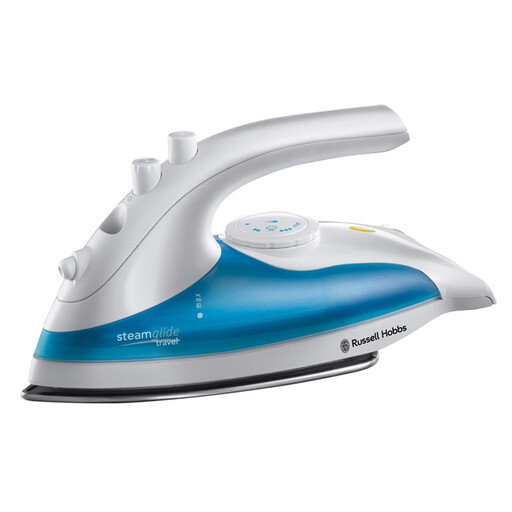
Russell Hobbs 22470 dual-voltage travel iron
This travel version could be a good fit if you’re looking for a compact iron and have a suitable surface for working on collars.
The product name specifies dual voltage; check that the voltage details are suitable for your destination before use.
View at Joybuy
 No image available
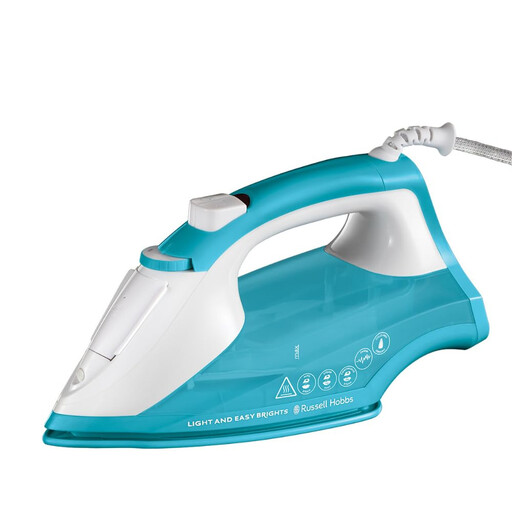
Russell Hobbs 26482-56 Light & Easy Brights steam iron
If you smooth collars on an ironing surface, this steam iron offers a traditional way to do it. Set the temperature and use of steam according to the shirt’s care label.
View at Joybuy
 No image available
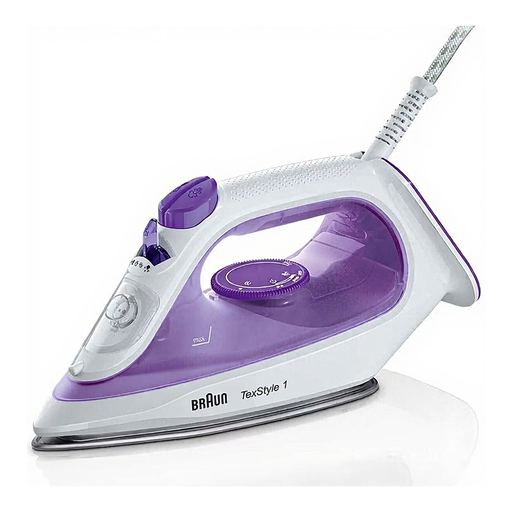
Braun TexStyle 1 SI1080VI steam iron
If you want to work precisely around collar edges, check whether the tip shape suits the way you handle the iron and which settings are suitable for your shirt fabric.
View at Joybuy
 No image available
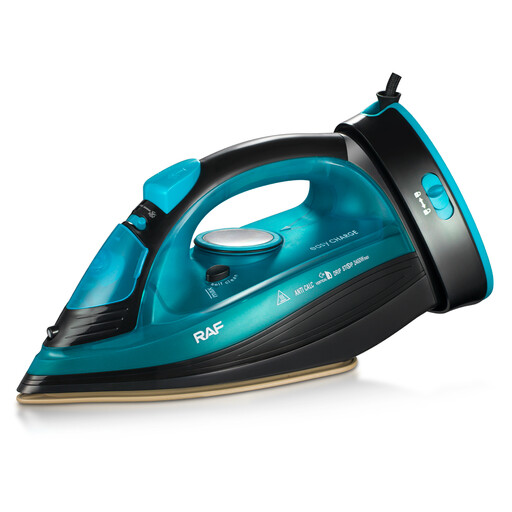
RAF R.1210B cordless steam iron, 2000 W, 320 ml
The cordless design may be useful if you’d like more freedom of movement while ironing; you’ll still need a suitable surface for collars.
The product name specifies 2000 W, 320 ml, a steam output of 15–25 g/min and a ceramic soleplate. These details describe the model, not the level of collar precision you can achieve.
View at Joybuy
Frequently asked questions
How can I iron a shirt collar without damaging the fabric?
First, check the ironing symbol on the shirt and set the temperature accordingly. A crossed-out iron symbol means the garment must not be ironed; take care with steam if only a low temperature is permitted. Place an ironable collar on a suitable surface and use the tip to work along the edges. GINETEX Germany and the Verbraucherzentrale explain the care symbols.
Do I need an ironing board for a garment steamer?
You don’t need an ironing board to freshen up clothes vertically: the Philips STH7020/20 is designed to steam garments while they’re hanging. You’ll still need a suitable place to hang the shirt. Pressing a collar edge on a surface is a different way of working.
What should I know about limescale and caring for my iron?
Follow the care and descaling instructions for the specific model. Braun Household lists a self-cleaning function for the SI 5256 BL, while Tefal lists a limescale collector for the FV9851. These details don’t support any general conclusions about maintenance or costs.
Are a guarantee and your statutory rights the same thing?
No. Your statutory rights are against the seller; a guarantee is an additional, voluntary service offered under its own terms. The Verbraucherzentrale recommends that, if a product is faulty, you don’t confuse your statutory rights with an advertised manufacturer’s guarantee.
What are the rules in Germany for labelling and disposing of an electric iron?
New electric irons covered by the relevant EU regulations must carry the CE marking. This is the manufacturer’s declaration of conformity, not an independent quality mark. End-of-life electrical appliances should be disposed of separately, for example at a local authority collection point, as explained by the German Environment Agency.


