Ironing collars with precision
If you mainly want to work on collars, seams and button plackets, and have a suitable ironing surface, look for an easy-to-use tip. Braun and Rowenta describe precision tips on certain product lines and models.


For sharply pressed shirt collars, a standard steam iron with an easy-to-use tip and adjustable temperature is the obvious starting point, provided you have room for a suitable ironing surface. If storage space is limited, a compact travel iron could be a good fit. A garment steamer is more suitable if you want to freshen clothes on a hanger and a sharply pressed collar isn’t your priority. Always follow the shirt’s care label when setting the temperature and steam.
If you mainly want to work on collars, seams and button plackets, and have a suitable ironing surface, look for an easy-to-use tip. Braun and Rowenta describe precision tips on certain product lines and models.
If you only iron occasionally, weigh up the features you need against the care involved rather than focusing solely on a high wattage. Specifications and features vary by model.
If your appliance needs to take up very little space in shared accommodation, consider an iron that stores away compactly or a garment steamer for clothes on a hanger. Severin says the BA 3234 has a folding handle; Philips says its portable 5000 Series model can be used on a hanger or on a flat surface.
A good fit if: You want to press the collar on a suitable ironing surface and tackle other parts of the shirt too.
Things to consider: You’ll need an ironing surface and storage space; automatic shut-off depends on the model.
A good fit if: You occasionally iron individual collars and want an appliance that’s easy to put away.
Things to consider: A small water tank may need refilling more often when ironing several shirts; if the voltage is switchable, make sure it’s set correctly.
A good fit if: You want to freshen up light creases in hanging clothes without needing a large ironing board.
Things to consider: Being suitable for use on a hanger doesn’t mean it can press a collar as sharply as an iron soleplate.
Start by considering the finish you want and whether you have a suitable ironing surface. Then think about storage, appliance care and the shirt’s care instructions.
| What matters | What to look for | Who should pay particular attention? |
|---|---|---|
| Precision around the collar | Check the shape of the iron tip and how easy it is to manoeuvre around narrow edges. | If I want to reach collar edges and areas around buttons precisely, the tip matters more to me than a high wattage; around 36 % of consumers put precision around the shirt collar first. |
| Purchase and upkeep | Compare the features of the specific model, tank capacity and cleaning instructions. | If I only iron occasionally, I don’t want to pay for features I’ll rarely use, and I want to keep maintenance manageable; around 29 % of consumers focus mainly on the purchase price and ongoing upkeep. |
| Suitability for the shirt | Check the care symbols and appliance instructions to find the right temperature and steam settings. | If my shirts have different care labels, I want to choose the right settings for each one; around 21 % of consumers prioritise suitability for the shirt. |
| Storage and set-up | Check whether you have space for a safe ironing surface or can store the appliance compactly. | If I have limited space in shared accommodation, I’d rather have a smaller appliance or freshen clothes on a hanger than use a large ironing station; around 14 % of consumers prioritise storage and a quick set-up. |
These specifications alone don’t tell you how easily you can reach narrow areas of the collar or whether the settings are right for the shirt.
Compare the tip and how easy the iron is to use around the collar. Follow the care label on the specific shirt when setting the temperature and steam.
Features vary by model: Braun lists this function for FreeStyle 3, while the manufacturer says it isn’t available on the Tefal FV2838.
Check the specifications for the full model number and put the appliance down safely. Unplug it after use.
Severin gives the BA 3234 a tank capacity of 0,05 l. You may need to refill it more often when ironing several shirts.
Choose this type of appliance mainly if you iron individual items occasionally and its compact size matters to you.
Refilling while ironing several shirts can interrupt your routine.
FreeStyle 3 is a steam iron range designed for precision around collars and button plackets; TexStyle 1 is another, more lightweight range.
The Express Steam FV2838 is an example of a standard steam iron with a precision tip and adjustable temperature.
The Focus Excel DW5310D1 is aimed at shoppers looking for a tip specifically designed for collars and seams.
The BA 3234 is a compact steam and dry iron with a folding handle.
Portable 5000 Series garment steamers are an option if you want to freshen clothes on a hanger and pressing isn’t your main priority.
The Joybuy products below include steam irons and compact travel irons for ironing on a surface or when storage space is limited.
 Image unavailable
An option if you’re looking for a steam iron with several temperature settings for shirts.
The product description lists five temperature settings, a 350-ml tank, dry ironing, self-cleaning and an anti-drip function.
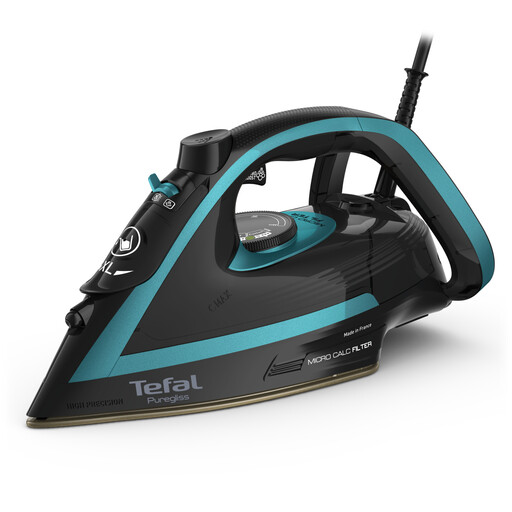 Image unavailable
An option if you’re looking for a steam iron with adjustable steam output for collars and other parts of your shirt.
The product specifications list a 280 g/min steam boost, 50 g/min continuous steam, vertical steaming and automatic shut-off.
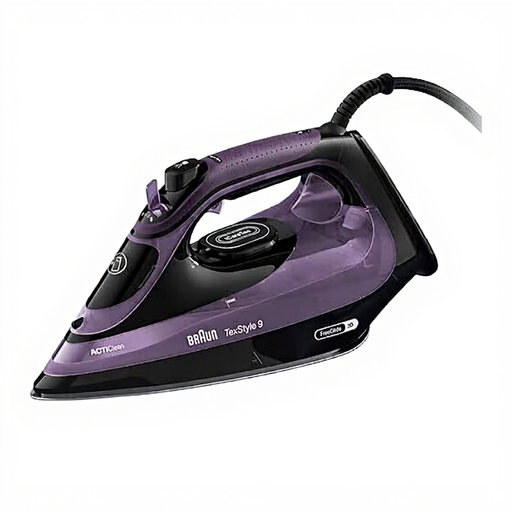 Image unavailable
An option if you’re looking for an iron with a precision tip designed to reach narrow areas around the collar.
The product specifications list iCare temperature control, a 330-ml tank and a descaling reminder.
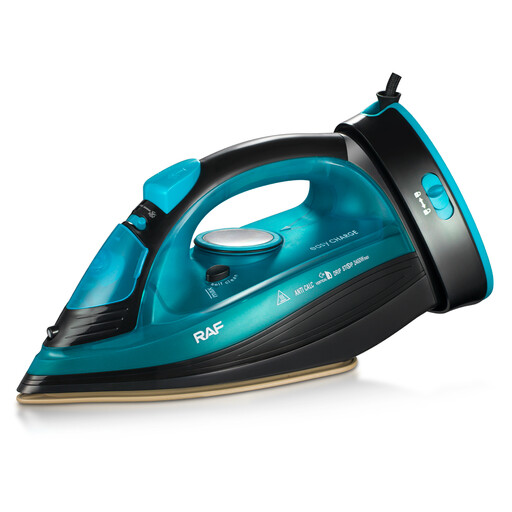 Image unavailable
An option if you want to work on a collar without a cord getting in the way and have a suitable ironing surface.
The product specifications list a 320-ml tank, a ceramic soleplate, a precision tip and a 360° charging base.
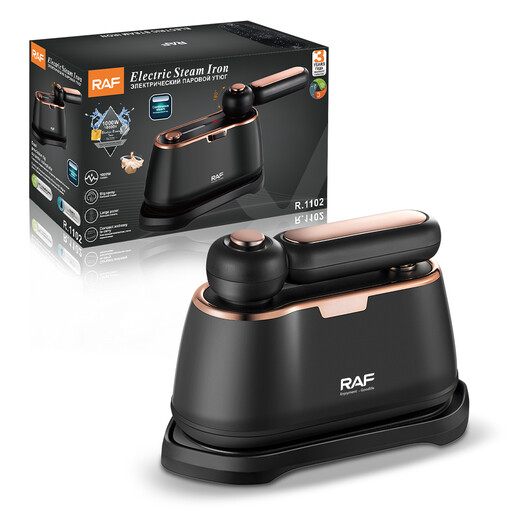 Image unavailable
An option if you want to iron individual collars when storage space is limited or freshen clothes vertically.
The product specifications list a 120-ml water tank, a handle that rotates 180° and vertical and continuous steam.
First, check the ironing symbol on the shirt and set the temperature and steam accordingly. The GINETEX guide distinguishes between temperature settings, ironing at a low temperature without steam, and textiles that should not be ironed.
No, features vary by model. Braun lists this function for FreeStyle 3; the manufacturer says it isn’t available on the Tefal FV2838. Even if your appliance has automatic shut-off, put it down safely and unplug it after use.
Follow the descaling instructions for the exact model number. Philips notes that limescale can contribute to stains, leaks and reduced steam output in steam generator irons; don’t assume the descaling method for a steam generator applies to a hand-held iron without checking.
Your statutory rights against the seller are separate from any voluntary manufacturer’s guarantee. An iron that has reached the end of its life should be returned separately as waste electrical equipment, for example at a local collection point or to a retailer, subject to the applicable conditions.
No. For products that require CE marking, the manufacturer uses it to declare that the product meets the relevant EU requirements; it isn’t an independent assessment of ironing performance. Where its conditions apply, the Low Voltage Directive covers electrical equipment with a rated voltage of 50 to 1.000 V AC; exceptions must be taken into account. The relevant legislation is Directive 2014/35/EU, alongside the European Union’s guidance on CE marking.