Precision around cuffs
You want to target button areas and narrow parts of shirts, and are looking for a suitable iron tip and a suitable surface to work on.


For individual cuffs when drying space is tight, a dry iron is an obvious choice if you want to avoid adding moisture, but it doesn’t offer steam to tackle stubborn creases. If you also iron whole shirts, consider a steam iron with adjustable steam: use a lower setting if condensation forms, or finish with a dry pass. A steam generator is better suited to larger loads of laundry and needs extra space.
You want to target button areas and narrow parts of shirts, and are looking for a suitable iron tip and a suitable surface to work on.
You have little room to hang freshly ironed shirts to dry and want to control the steam and any moisture on the ironing board.
You iron individual shirts and want to be able to put both the iron and your ironing aid away neatly after use.
A good fit if: You mainly smooth small, dry areas of shirts and want to avoid adding moisture.
The trade-off: Without a steam function, smoothing stubborn creases may take more focused effort.
A good fit if: You sometimes iron whole shirts as well as cuffs and want to use steam when needed.
The trade-off: There’s a water tank to consider, along with possible moisture on the ironing board. Anti-drip features and automatic shut-off vary by model.
A good fit if: You mainly want to freshen up lightly creased clothes on a hanger and can’t set up an ironing board.
The trade-off: For a crisp crease on cuffs, using an iron on a suitable surface is the more straightforward option.
A good fit if: You regularly have larger loads of laundry to iron as well as cuffs, and have room for the base unit and ironing surface.
The trade-off: The separate tank takes up space; using a lot of steam can also lead to moisture on the ironing board.
When drying space is limited, steam control should be an early consideration; for cuffs, it’s also important that the iron tip can reach into tight spots.
| Priority | What to check before buying | Who is it especially relevant for? |
|---|---|---|
| Ironing cuffs precisely | Check the tip shape and temperature control on the specific model; consider a secure sleeve board if needed. Leifheit describes its sleeve board as foldable. | When I’m ironing around buttons and narrow cuffs, I want to be able to position the sole precisely. Around 36% of consumers prioritise precision when working on cuffs. |
| Limiting moisture | Check whether the steam can be adjusted or switched off. If condensation forms, Philips Support recommends a lower steam setting or finishing with a dry pass. | When there’s hardly any room for clothes to dry, I want to know how much extra moisture ironing creates. Around 29% of consumers prioritise control over steam and moisture. |
| Work surface and storage | Check the space needed for setup, a safe place to rest the hot iron and the folded dimensions of your ironing aid. A separate steam generator unit needs extra room. | When I have little room to work and store things, I want to be able to fit the whole setup away. Around 21% of consumers put work surface and storage space first. |
| Care and ease of use | Check the cleaning method and safety features for the exact model number; not every model has automatic shut-off. | When maintenance and safe use matter to me, I check the features of the specific appliance before buying. Around 14% of consumers prioritise care and safety features. |
Philips notes that using a lot of steam can cause condensation on the ironing board. If you have little room for clothes to dry, the extra moisture may be inconvenient.
Check whether the steam can be adjusted. If the board gets damp, Philips recommends using less steam or finishing with a dry pass.
Damp cuffs may need extra time to dry.
Even a foldable sleeve board needs a stable surface for ironing and a safe place to rest the hot iron.
Before buying, check where you can use and store the complete setup.
You may need a suitable sleeve board or a safe ironing surface.
Safety features vary by model: Tefal lists automatic shut-off for the FV5736, while Rowenta states that the DW4320 does not have it.
Check the features against the exact model number, and always put the iron away safely.
The examples below refer to specific product ranges and models; the features mentioned do not apply to every appliance from a brand.
FreeStyle and TexStyle models are worth considering if you’re looking for a precision tip and, depending on the model, additional safety features.
The Easygliss Plus FV5736 is an example of a steam iron with a precision tip.
The Express Steam DW4320 is an example of a steam iron with manual controls and a precision tip.
The BA 3211 is a dry iron for small jobs, without steam generated by the appliance.
The PerfectCare Compact Plus GC7920/20 is an example of a steam generator for larger loads of laundry.
This selection includes irons for individual areas of shirts and other ironing jobs, with models offering dry or steam ironing.
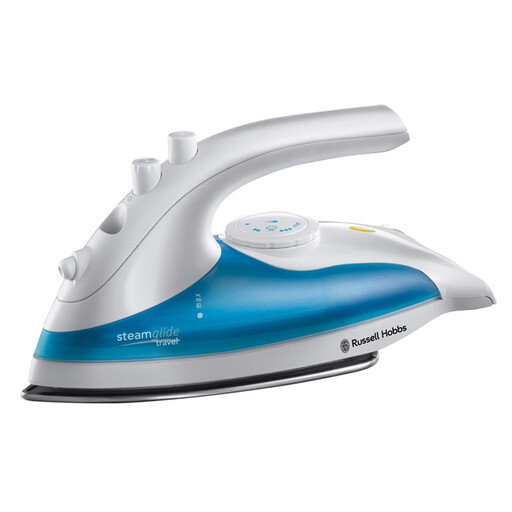 No image available
The listed dry ironing option is useful if you want to avoid adding moisture.
The product name specifies dual voltage.
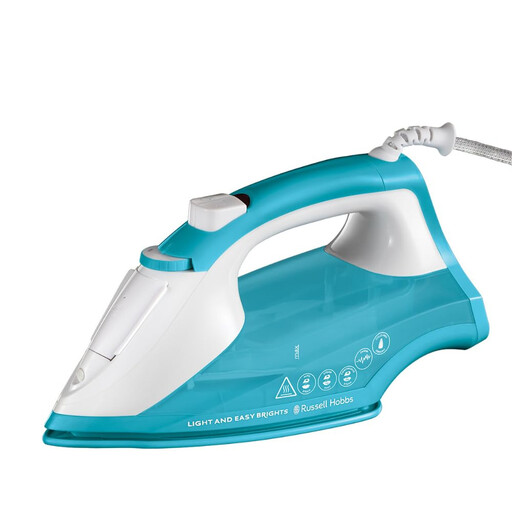 No image available
This steam iron is worth considering if you want to iron other garments as well as cuffs on a suitable ironing surface.
 No image available
If you want to choose steam and heat settings for different garments, check the adjustment options available on the model.
The product name specifies a 280 g/min steam boost, vertical steam and an anti-drip system.
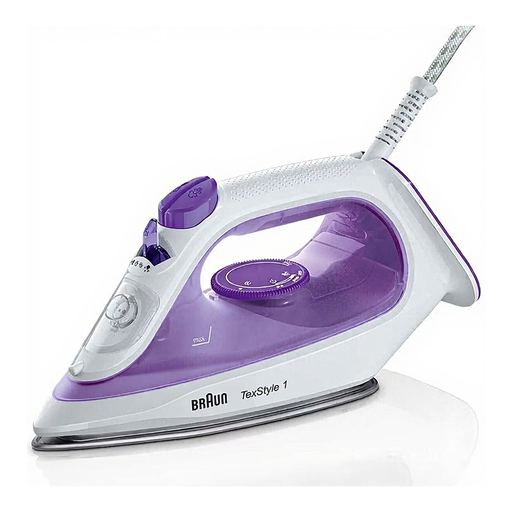 No image available
The model is described as having a precision tip for button plackets and hard-to-reach areas. A dry ironing setting is also listed.
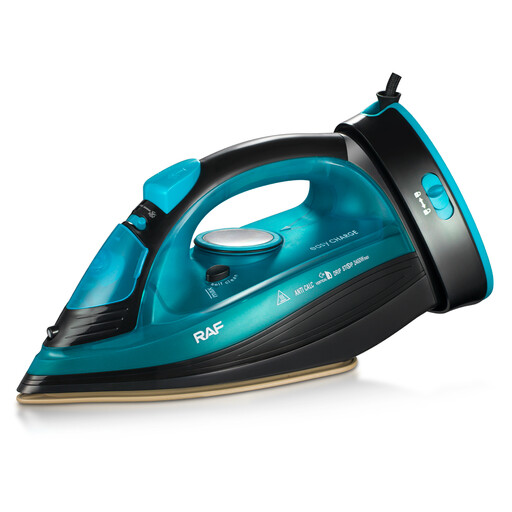 No image available
The precision tip is useful for tight areas on shirts; cordless operation may also make it easier to handle.
The product name specifies a ceramic soleplate and steam output of 15–25 g/min.
When drying space is limited, lots of steam is not a reliable substitute for drying. Philips notes that condensation can form on the ironing board and recommends using a lower steam setting or finishing with a dry pass in this situation. Check the care instructions on the shirt, too.
A sleeve board can be useful for sleeves, provided you have a flat, secure surface to set it up on. Leifheit lists a 57 × 8.5 to 10.5 cm ironing surface and a folding mechanism for model 71820; also make sure you have a safe place to rest the hot iron.
If condensation forms, using less steam or finishing with a dry pass may help. Philips also lists frequent bursts of steam and, on irons with a temperature control, a setting that is too low as possible causes. Follow the instructions for your specific model.
An old iron should be taken to a separate collection point for waste electrical equipment. The German Environment Agency lists free returns at local collection points or recycling centres, as well as other return options at participating retailers.