
Lieferung heute & morgen

Qualitätsgarantie

Willkommens-Angebote freischalten: KOSTENLOSE Lieferung | Bis zu 80 % RABATT | Kostenlose 30-Tage-JoyPlus-Testphase
App herunterladen
A seat cushion can make a hard chair, bench or car seat more comfortable. However, appealing product photos and claims such as “ergonomic”, “orthopaedic” or “premium comfort” don’t automatically make it the right choice. The key factors are measurable details such as dimensions, filling, cover and fastenings.
A 38 × 38 cm seat cushion fits many dining chairs, but it may be too small for a wide bench or lounge area. When choosing a garden seat cushion, you’ll also need to consider the depth and shape of the furniture. Before buying, measure the seat, backrest area and any cut-outs precisely.
A water-repellent polyester cover can withstand light splashes, but it’s no substitute for storing the cushion somewhere dry. Prolonged exposure to damp can cause odours, mildew stains or changes to the material. Even materials described as UV-resistant may fade over time if left in constant sunlight. For garden use, it’s best to have a dry place to store the cushion or a suitable protective cover.
Cotton feels soft and breathable, but under frequent use it may compress differently from foam. Memory foam seat cushions mould more closely to your body, but they respond to temperature and often need time to return to their original shape. Gel seat cushions usually have a textured surface and may suit longer periods of sitting at a desk or in a car. No one type of filling is automatically right for every person or chair.
Compare the product dimensions with the usable seating area:
The height affects how much the cushion changes your seating position. A cushion that’s 10 to 12 cm thick can raise your seat considerably. Make sure the table height, armrests and legroom will still work for you.
Look for specific details rather than general marketing claims:
Terms such as “orthopaedic seat cushion” are product categories, not proof of a medical benefit. If you have ongoing back, tailbone or other pain, don’t treat your choice of cushion as a substitute for medical advice.
A washable seat cushion is more practical for everyday use if the cover is removable and suitable for machine washing. “Easy to clean” may simply mean that the surface can be wiped down. If you’re choosing a seat cushion with ties, check that their number, position and length suit your chair. A non-slip base can also help, but it won’t make up for a poor fit.
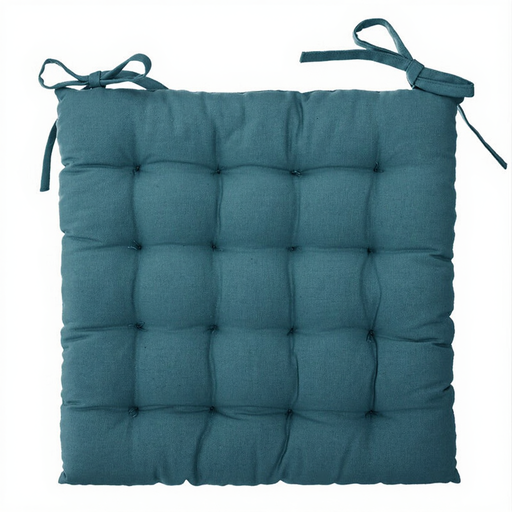
Why it suits this profile: This compact chair cushion measures 38 × 38 cm and is suitable for smaller seats in the dining room, living room or office. The cotton cover and cotton filling are clearly specified.
The clearly stated dimensions make it easier to judge whether it will fit your seat. The product description says the cushion is machine washable, but it’s still worth checking the care instructions before use.
38 × 38 cm, cotton cover, cotton filling and no assembly required.
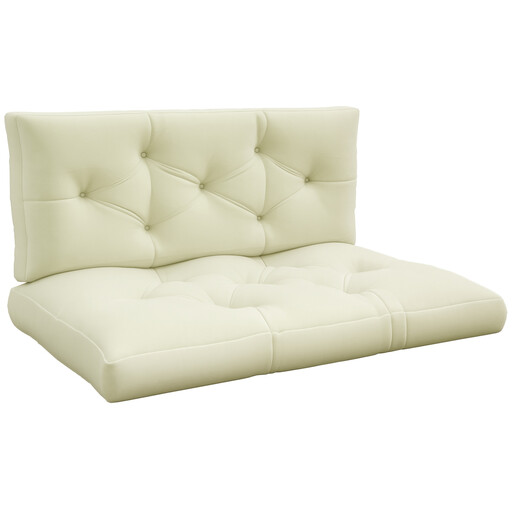
Why it suits this profile: This set is designed for wide benches or pallet furniture measuring 120 cm in length, and includes seat and back cushions. The 12 cm thickness and polyester cover are clearly specified.
Separate measurements for the seat and back cushions reduce the risk of choosing a universal size that doesn’t fit. According to the description, light dirt and water splashes can be wiped away; this doesn’t mean the cushions are suitable for prolonged exposure to damp.
Two-piece set, measuring 120 × 80 × 12 cm for the seat and 120 × 40 × 12 cm for the back.
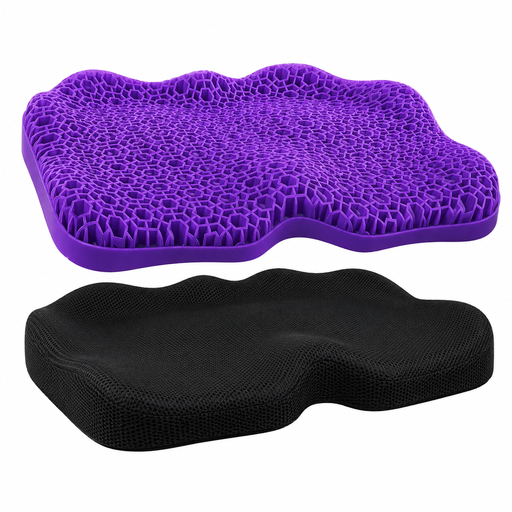
Why it suits this profile: It’s designed for use in the office, car and home. The honeycomb structure, non-slip base and removable cover make it a good option for anyone who uses different seats.
The product description lists the materials, intended uses and care instructions separately. This makes it easier to check whether the seat pad will actually fit your chair or car seat.
Honeycomb structure, washable cover and non-slip underside, according to the product description.
We’ve put together a complete, regularly updated list of products that meet these strict selection criteria and fully comply with the safety regulations in force in the EU.
First, measure the seat and choose a cushion with a suitable shape. Ties, a non-slip surface or a textured underside can help keep it in place. If your chair has a narrow backrest, make sure the ties are long enough and don’t attach them to moving parts.
Its lifespan depends on how often it’s used, the user’s weight, the filling, exposure to damp and how well it’s cared for. A cushion used every day should be aired regularly and cleaned according to its care label. Foam and memory foam cushions shouldn’t be left tightly folded or stored somewhere damp for long periods.
The price depends on factors including size, filling, cover, finish and extra features such as back support or a removable cover. Don’t compare just the purchase price: also consider whether it’s washable, how it fastens and whether it’s suitable for where you plan to use it. An inexpensive chair cushion may be enough for occasional use, while a cushion used regularly in an office or car may need to meet different requirements.