
Lieferung heute & morgen

Qualitätsgarantie

Willkommens-Angebote freischalten: KOSTENLOSE Lieferung | Bis zu 80 % RABATT | Kostenlose 30-Tage-JoyPlus-Testphase
App herunterladen
A tidy entryway not only makes a great first impression but also simplifies your daily routine. A shoe bench with storage is a popular solution for this, combining seating and an organization system into one piece of furniture. However, not every model that seems practical at first glance proves its worth in daily use. Many buyers only realize after a few months that the construction is wobbly, the compartments are too small, or the material is showing early signs of wear and tear.
This guide will show you which critical features to look for to find a durable and functional shoe bench for your hallway, and will introduce you to several models for different needs.
Before deciding on a model, it's helpful to know the typical defects that often only become apparent after the purchase.
To make an informed decision, you should carefully examine three core parameters. These largely determine the longevity and functionality of your new hallway bench.
The choice of material has a direct impact on stability and lifespan. A shoe cabinet with a bench seat must safely support the weight of at least one adult.
A good shoe rack with seating adapts to your needs, not the other way around.
The bench must not only fit into your hallway but also be comfortable.
Here is a selection of shoe benches tailored to different living situations and requirements.
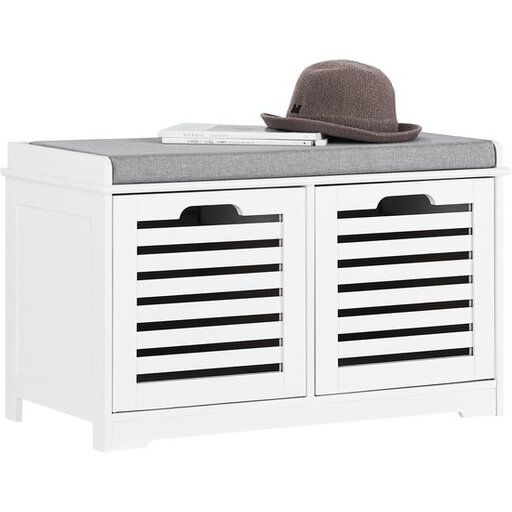
Why This Fits Their Persona: Ideal for a first home or smaller entryways. This model offers a functional combination of seating and storage at an accessible price, without compromising on basic stability.
The MDF construction is rated for a load capacity of up to 120 kg, which is sufficient for daily use by one person, avoiding the instability trap.
Two removable baskets provide flexible storage for shoes or accessories. The included seat cushion ensures basic comfort.
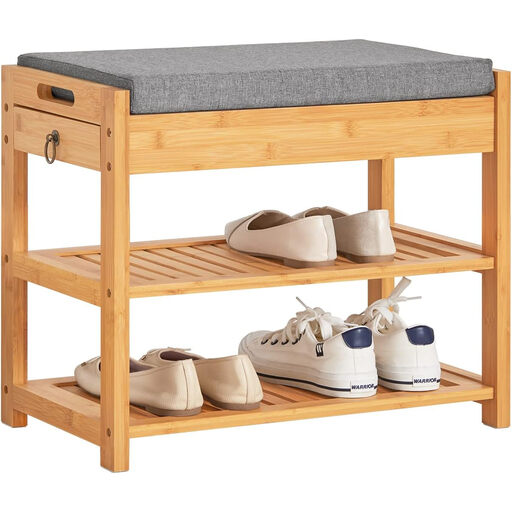
Why This Fits Their Persona: For those who value sustainable and robust materials. Bamboo is naturally resistant to moisture and brings a warm, natural aesthetic to the entryway.
The bamboo material is more resistant to moisture than uncoated MDF, preventing swelling. The construction is designed for a load capacity of up to 150 kg.
Combines open compartments for shoes with a side drawer for small items like keys or shoe care products. Includes felt floor protectors.
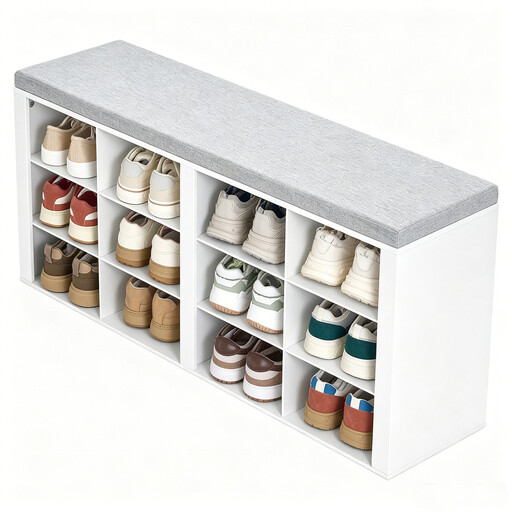
Why This Fits Their Persona: Perfect for families or individuals with many shoes. The large number of compartments and adjustability make it possible to neatly store everyone's shoes—from kids' sandals to men's boots.
The height-adjustable shelves solve the problem of impractical storage. Instead of rigid compartments, the space can be customized for tall or bulky footwear.
Maximum flexibility with 12 compartments featuring adjustable shelves. The 150 kg load capacity provides ample stability for family life.
We've compiled a complete, up-to-date list of products that fully meet these strict selection criteria and rigorous safety standards.
For safe everyday use, a seat load capacity of at least 120 kg is recommended. This ensures that the bench can easily support the weight of an average adult while putting on and taking off shoes, without wobbling or deforming. Models with a higher load capacity, such as 150 kg or more, offer additional stability reserves.
Not necessarily. Many basic models have compartments sized only for flat shoes like sneakers or sandals. If you want to store boots, ankle boots, or hiking shoes, you should specifically look for models with taller compartments or adjustable shelves. Measure the height of your tallest shoes before buying to ensure they will fit.
Check if the seat cushion cover is removable. Removable covers can usually be machine-washed or hand-cleaned according to the manufacturer's washing instructions. For fixed cushions, regular cleaning with a vacuum cleaner using an upholstery attachment is recommended. Light stains can often be removed with a damp cloth and mild soap solution.