
Lieferung heute & morgen

Qualitätsgarantie

Willkommens-Angebote freischalten: KOSTENLOSE Lieferung | Bis zu 80 % RABATT | Kostenlose 30-Tage-JoyPlus-Testphase
App herunterladen
A shoe bench with seating and storage is a functional addition to any entryway. It helps keep your space tidy while offering a convenient spot to put on and take off your shoes. However, not every model delivers on its promises. Many buyers only discover after a few weeks that their chosen bench has flaws that make daily use a hassle.
This guide highlights the most common weaknesses and outlines the objective criteria that are crucial for selecting a durable and practical solution for your hallway.
When choosing a hallway bench, there are typical flaws that often only become apparent with daily use. Knowing these points will help you make an informed decision.
To avoid the problems mentioned above, it's essential to check three key product features. These define the functionality and longevity of an entryway bench.
The material is crucial for stability and durability.
Measure the available space in your hallway carefully before deciding on a size. A narrow shoe bench or a small shoe bench can be ideal for tight corridors. Also, consider which storage concept best suits your needs:
The seat should be comfortable and easy to care for. PU leather upholstery is easy to wipe clean, while fabric covers often offer a warmer feel. A key advantage is a removable and washable cover, which makes cleaning up spills and dirt much simpler.
Based on the criteria mentioned, we have identified several models suitable for different living situations and needs.
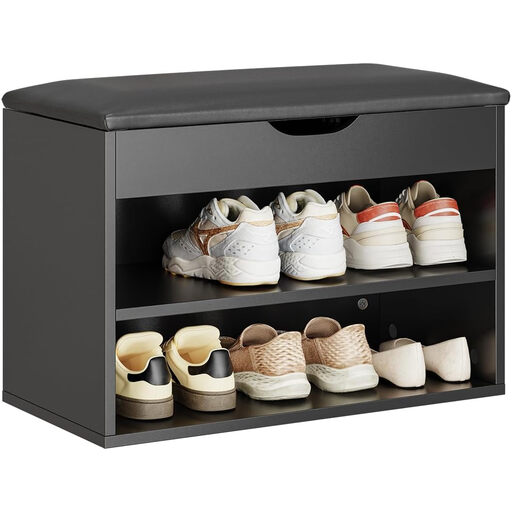
Why it's a great fit: With a width of just 60 cm, this bench is ideal for narrow entryways or small apartments. It combines seating, a hidden compartment for small items, and an open shoe rack in a minimal footprint.
The reinforced construction is designed for a static load of up to 113 kg, preventing it from sagging during normal use. The combined storage concept is highly practical for its compact size.
Maximum functionality in a minimal space thanks to its 3-in-1 design: seating, hidden storage, and an open shelf.
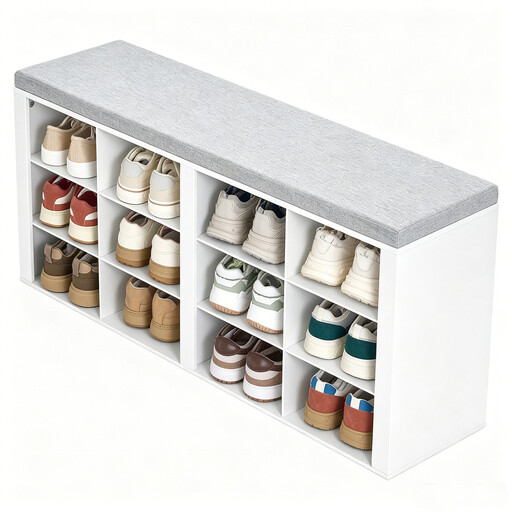
Why it's a great fit: This model is perfect for those with a diverse shoe collection. Its large capacity and customisable compartments allow for the neat storage of trainers, boots, and children's shoes.
The issue of impractical storage is solved with height-adjustable shelves. This allows the space to be flexibly adapted for different shoe heights, ensuring no space is wasted.
High flexibility with 12 compartments featuring adjustable dividers and a high load capacity of 150 kg, making it suitable for the whole family.
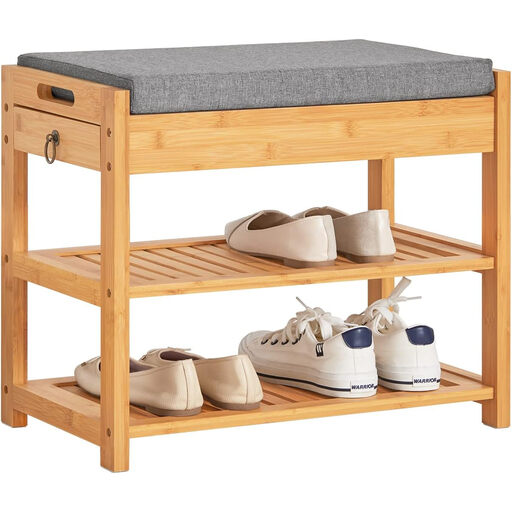
Why it's a great fit: Made from bamboo, this bench appeals to users who value natural materials and a warm aesthetic. The combination of a closed flap and a side drawer offers versatile storage.
Bamboo is naturally robust and moisture-resistant, which reduces the risk of material fatigue or swelling. The clear lacquer finish provides additional protection for the surface and makes it easy to maintain.
Durable and sustainable material (bamboo) with a high load capacity of 150 kg and a practical layout featuring a drawer.
We have compiled a complete, up-to-date list of products that fully meet these strict selection criteria and all applicable safety requirements.
For safe use by an adult, a static load capacity of at least 100–120 kg is recommended. This ensures that the structure remains stable even under dynamic loads, such as sitting down. Always check the manufacturer's specifications. Models with a 150 kg capacity offer an extra margin of safety.
The choice depends on your budget and intended use.
Before buying, check if the seat cushion's cover is removable and machine-washable. This is the easiest way to clean it thoroughly. For fixed covers, such as those made of PU leather, regularly wiping with a slightly damp cloth is usually sufficient. Avoid using harsh cleaning agents to prevent damage to the material.