
Lieferung heute & morgen

Qualitätsgarantie

Willkommens-Angebote freischalten: KOSTENLOSE Lieferung | Bis zu 80 % RABATT | Kostenlose 30-Tage-JoyPlus-Testphase
App herunterladen
A cluttered entryway with shoes scattered across the floor—it's a common nuisance in many homes. The right shoe rack promises a quick fix, but the selection is vast, and not every model lives up to its promise. Many buyers invest in a solution that soon proves to be impractical or unstable.
As your Joybuy Product Recommendation Officer, I'm here to help you identify the common pitfalls and make an informed decision. Instead of falling for marketing hype, we'll focus on the key features that define quality shoe storage.
Before you make a purchase, you should be aware of the three most common issues that lead to dissatisfaction. Avoiding them is the first step toward making the right choice.
To find a durable and functional solution, you should focus on three core parameters. These will help you objectively evaluate the quality and suitability of a shoe rack.
The material is directly responsible for durability and load-bearing capacity. A metal shoe rack is often a robust choice, but there are differences.
Precisely measure the available space before deciding on a model. For a tight entryway, a narrow shoe rack is the most sensible solution.
Your shoe collection is dynamic—your shoe organiser should be too. Flexible customisation options significantly increase its utility.
Based on the criteria mentioned, we have identified a few models that are suitable for different needs and living situations.
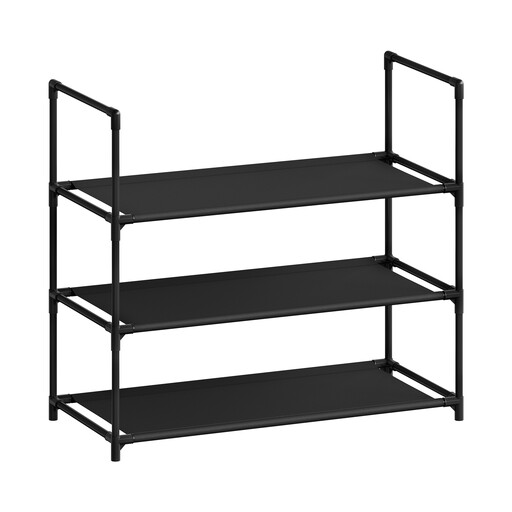
Why This Fits Their Persona: Ideal for students, first-time apartment dwellers, or households with a manageable number of shoes. It provides basic, space-saving organisation without a major investment.
The coated metal tube construction and a stated load capacity of 5 kg per tier address the instability trap when used correctly. Its narrow dimensions (28 cm depth) are designed for tight hallways.
Tool-free, snap-together assembly for a quick setup. The tiers are removable to create space for boots.
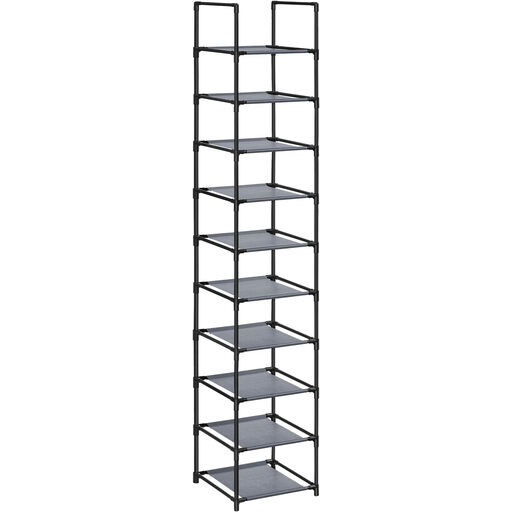
Why This Fits Their Persona: Perfect for families or individuals with large shoe collections who need maximum storage on a minimal footprint. It makes efficient use of vertical space.
The vertical design solves the problem of impractical dimensions in tight spaces. Its sturdy metal frame provides the necessary stability for its height, and the non-woven fabric shelves protect shoes from dust.
Very high capacity for up to 30 pairs of shoes. The small 33x33 cm footprint makes it ideal for nooks or corners in an entryway.
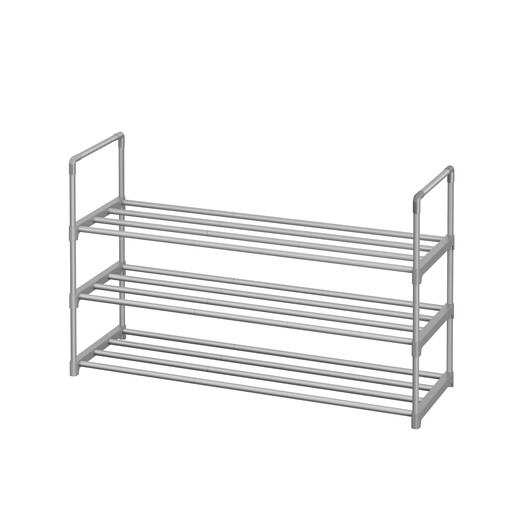
Why This Fits Their Persona: For users seeking a durable, wider solution who value future expandability. Ideal for walk-in closets or larger entryways.
The robust all-metal construction avoids the material wear-and-tear common with non-woven fabric. Its stackability offers a flexible solution for growing storage needs, thus preventing a future bad purchase.
High load capacity of 10 kg per tier. The stackable design allows for customised configuration and expansion of storage space.
We have compiled a complete, up-to-date list of products that fully meet these strict selection criteria.
Load capacity varies by model and construction. Simple snap-together systems with non-woven fabric shelves often have a weight limit of around 5 kg per tier. More robust racks made entirely of metal can often support 10 kg or more per tier. It is advisable to check the specific manufacturer details in the product description to avoid overloading.
Yes, many modern shoe racks offer this flexibility. Look for models where one or more tiers can be removed. By omitting a shelf, you create a taller space that is ideal for boots, ankle boots, or even high-top hiking shoes. This feature makes a shoe rack significantly more versatile.
Cleaning is straightforward. Use a soft, slightly damp cloth to wipe away dust and light dirt. Avoid harsh cleaning agents or excessive water, as this could damage the material. Allow the shelves to air-dry completely after cleaning before placing shoes back on them.