
Lieferung heute & morgen

Qualitätsgarantie

Willkommens-Angebote freischalten: KOSTENLOSE Lieferung | Bis zu 80 % RABATT | Kostenlose 30-Tage-JoyPlus-Testphase
App herunterladen
Organised shoe storage is essential for keeping your entryway, bedroom, or dressing room tidy. The choice of the right model depends on objective criteria such as available space, required capacity, and material properties. A suitable shoe rack not only optimises space but also protects your footwear from damage and ensures quick access. This article analyses different designs and presents a selection of models based on their technical specifications and practical use cases.
The decision for a specific model should be based on an analysis of your needs and your space. The following parameters are key factors to consider.
The choice of material affects the rack's stability, weight, and durability.
The design determines the intended use and space efficiency.
Before purchasing, it is essential to precisely measure the intended location. Consider not only the width and depth but also the height, especially for tall, narrow models. The capacity is usually specified in pairs of shoes. Check if the rack is also adequately sized for larger footwear like boots or hiking shoes. The maximum static load capacity per tier and overall is an important indicator of the construction's sturdiness.
Based on the criteria mentioned above, we have compiled a selection of products with different design features for various use cases.
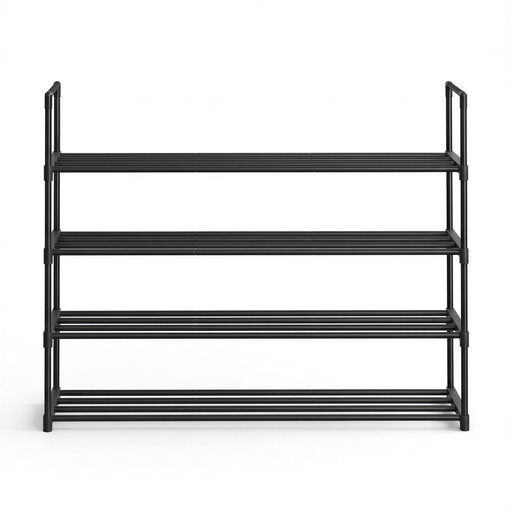
Why We Recommend This Product This open shoe stand stands out for its sturdy yet simple construction. The metal frame ensures high stability, while the open design provides good air circulation and allows quick access to frequently worn shoes. The stackable design also offers an option for future expansion.
Pros
Who It's For This model is a functional solution for individuals and families looking for stable and easily accessible shoe storage for their entryway or bedroom.
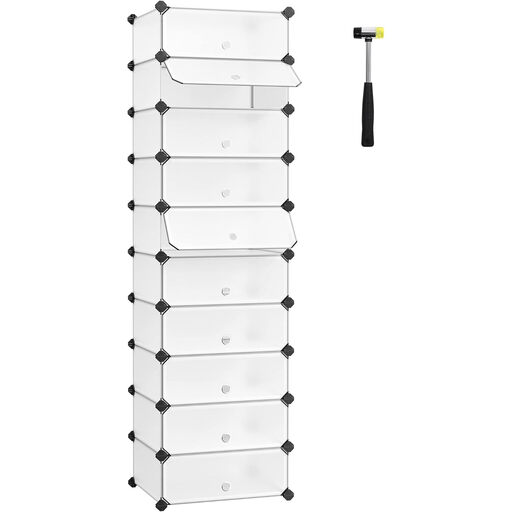
Why We Recommend This Product This modular shoe organizer offers a closed storage solution that protects shoes from dust. The semi-transparent doors strike a good compromise between a tidy appearance and quick identification of the contents. Its slim and tall design makes it an efficient piece of furniture for limited spaces.
Pros
Who It's For Suitable for users who prefer a flexible, closed storage solution to maintain order and protect their shoes from the elements.
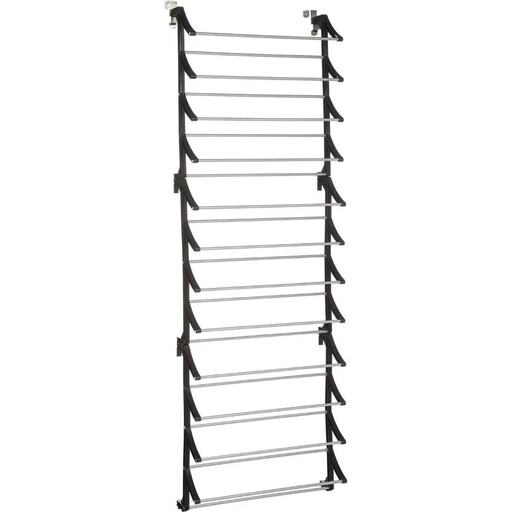
Why We Recommend This Product This model is designed for maximum space efficiency. By mounting it on a door, it doesn't take up any valuable floor space. It is a very practical solution for organizing a large number of shoes in a minimal amount of space.
Pros
Who It's For The optimal choice for people in apartments with very limited space, such as students or residents of small apartments, who need to store a large shoe collection in a space-saving manner.
The products presented here represent just a fraction of the available solutions. Depending on individual needs regarding design, material, and size, other models may be more suitable. For a more comprehensive overview of different designs and capacities, we recommend exploring the main category.
Discover a wider selection in our category for Shoe Rack Organizers.
1. How do I organize shoes in a small hallway? In a small hallway, vertical and slim solutions are advantageous. A tall, slim shoe cabinet or an over-the-door shoe rack uses space efficiently without blocking walkways. Open racks with a shallow depth can also be a good option to avoid making the space feel cluttered.
2. What is the most functional material for a shoe rack? Functionality depends on the intended use. Metal generally offers the highest stability and durability, making it a good choice for high-traffic areas. Plastic excels in its low weight, flexibility, and often modular construction. The choice should be made based on your priorities—whether they are stability, flexibility, or aesthetics.
3. How much space does a shoe rack need? The space requirement is directly dependent on the design and capacity. Measure the available area (width, depth, height) precisely. A standard shoe stand often has a depth of about 30 cm. A slim shoe cabinet can be less than 20 cm deep, while an over-the-door shoe rack requires virtually no floor space. Additionally, plan for some extra room for convenient access to the shoes.