
Lieferung heute & morgen

Qualitätsgarantie

Willkommens-Angebote freischalten: KOSTENLOSE Lieferung | Bis zu 80 % RABATT | Kostenlose 30-Tage-JoyPlus-Testphase
App herunterladen
A cluttered entryway, overflowing closets, and the daily search for the right pair of shoes—many of us know these situations all too well. Well-designed shoe storage can solve this problem and create lasting order. However, the market is flooded with products whose quality and functionality often only become apparent after purchase. Certain design flaws or material defects can mean that a new piece of furniture fails to meet your needs after just a short time.
This guide will help you identify the typical pitfalls and find a solution that perfectly matches your available space, shoe collection, and interior style.
Before you make a decision, you should be aware of the three most common issues that lead to dissatisfaction. Paying attention to these points will save you frustration and wasted money.
To find the right solution, focus on three objective core parameters. These will help you evaluate a product's functionality, independent of marketing promises.
The material is the foundation for the longevity of your shoe storage.
Before buying, precisely measure the available space, especially in a narrow hallway. A narrow shoe cabinet can be the ideal solution here. Consider not only the width and height but also the depth.
The choice between an open and a closed system depends on your priorities.
Here are some product suggestions tailored to different needs and living situations.
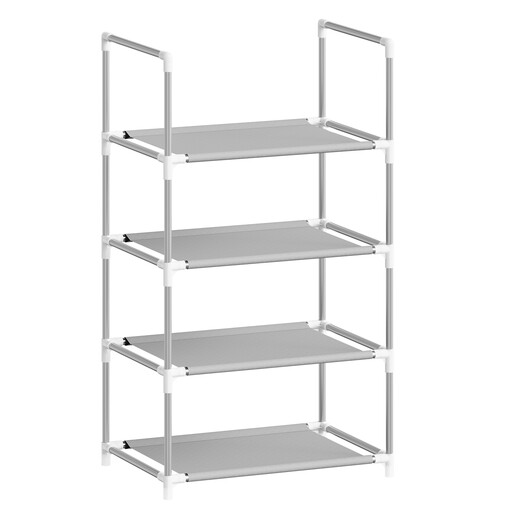
Why it's a great fit: With its compact dimensions of 41x28x72 cm, this rack makes optimal use of vertical space and fits even in tight nooks or small entryways. It's a functional and unobtrusive solution for anyone looking to create basic order without much fuss.
The metal frame construction provides a more solid base than all-plastic racks. As an open system, it ensures constant ventilation for shoes and prevents odour build-up.
The non-woven fabric shelves are removable, which simplifies cleaning and creates space for taller footwear like ankle boots when needed.
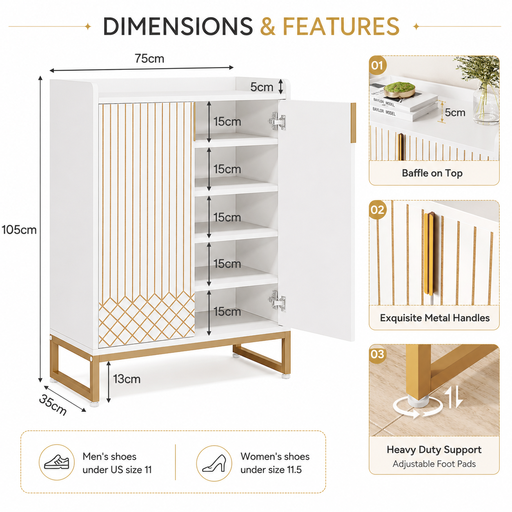
Why it's a great fit: For anyone who values a clean and orderly look. This closed shoe cabinet conceals shoe clutter and, with its minimalist design and subtle gold accents, blends seamlessly into modern living concepts. It functions as a true piece of furniture.
The engineered wood construction with metal legs ensures a stable base. The closed design protects shoes from dust, while the bottom open shelf provides a ventilated option for daily-use footwear.
With 5 tiers, it offers space for up to 25 pairs of shoes and combines concealed storage with an open surface for decor or everyday items.
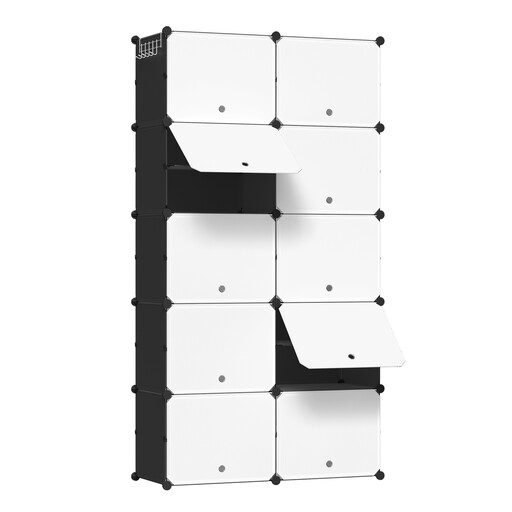
Why it's a great fit: When a large number of shoes need to be organized, capacity and flexibility are crucial. This modular system offers space for up to 40 pairs of shoes and can be adapted to your space and needs—ideal for families or shoe collectors.
This system completely bypasses the problem of inflexibility. By removing dividers, you can create compartments for boots or other large items. The construction of a metal frame and PP panels is robust and waterproof.
The DIY assembly allows you to build the rack in various shapes—as a tall tower, a long sideboard, or even as several small units. Additional hooks provide space for umbrellas or bags.
We have compiled a complete, up-to-date list of products that fully meet these strict selection criteria and current regulations.
1. What is better: an open shoe rack or a closed shoe cabinet? The decision depends on your personal priorities. An open shoe rack provides good ventilation and quick access, which is ideal for shoes you wear daily. A closed shoe cabinet offers a tidy appearance and protects shoes from dust, making it a great choice for living areas or for less frequently worn pairs.
2. How can I prevent odours in a closed shoe cabinet? Ensure your shoes are completely dry before placing them in the cabinet. When buying, look for models with integrated ventilation slots or a partially open back. Alternatively, cedar blocks or special scented sachets can help absorb moisture and keep things smelling fresh.
3. How much space should I plan for shoe storage? First, measure the available space on your wall (width, height, depth). Then, check the dimensions of your largest shoes to determine the required shelf depth and height. A depth of 30-35 cm is sufficient for most shoe sizes. Multiply the space needed per pair by the number of shoes you want to store to estimate the total size required. Always plan for a little more space than you currently need.