
Lieferung heute & morgen

Qualitätsgarantie

Willkommens-Angebote freischalten: KOSTENLOSE Lieferung | Bis zu 80 % RABATT | Kostenlose 30-Tage-JoyPlus-Testphase
App herunterladen
By the Joybuy Product Recommendation Officer, 30 August 2026
A cluttered entryway, an overflowing wardrobe, and the daily hunt for the other shoe—these are problems many households know all too well. A well-thought-out shoe storage system is the key to a more organised and harmonious home. However, the market offers an overwhelming variety of solutions, not all of which live up to their promises.
This guide will help you navigate the common pitfalls of purchasing and find a system that perfectly matches your needs, your space, and your shoe collection.
Before you make a decision, you should be aware of the most common flaws that often only become apparent after purchase, leading to frustration.
To avoid a bad purchase, focus on three objective criteria. These will determine the durability and functionality of your new shoe storage.
The material is the foundation for stability and longevity.
The sheer number of compartments is less telling than their adaptability. A good system offers flexibility for different types of shoes.
Both options have specific pros and cons that depend on your priorities.
Instead of making a one-size-fits-all recommendation, we have selected products that meet specific needs and take the above criteria into account.
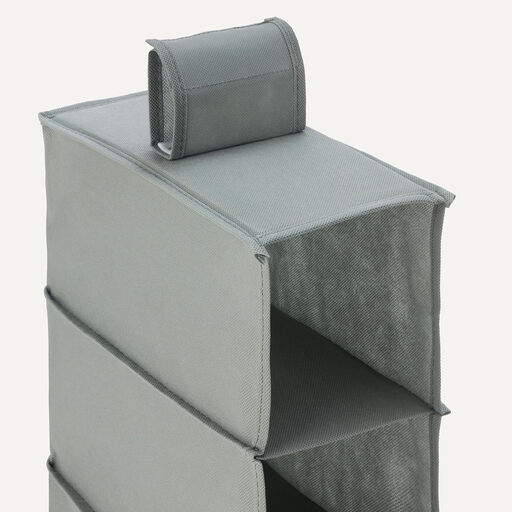
Why This Fits Their Persona: Ideal for those with limited floor space who want to make clever use of unused vertical space in a wardrobe or alcove. It creates order without blocking valuable floor space in the hallway or bedroom.
Bypasses the "misleading capacity" trap for floor-based furniture, as it requires no floor space at all. The construction is designed for a defined weight limit and is stable when this is respected.
Maximum space utilisation in a small footprint; collapsible design for easy storage when not in use; open compartments for good ventilation.
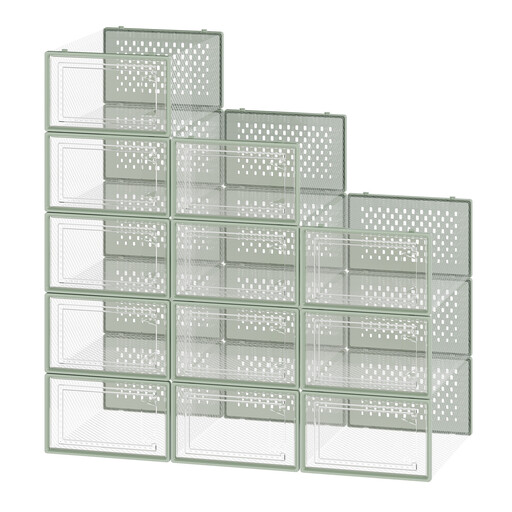
Why This Fits Their Persona: Perfect for sneaker enthusiasts and owners of other valuable shoes who want individual protection from dust, yellowing, and deformation. The transparent design allows for a stylish presentation and quick access.
Solves the "lack of ventilation" problem with integrated openings. The modular system bypasses the "false capacity" issue, as it can be expanded as needed and each box is designed for one pair of shoes up to a specific size.
Stackable, modular system; protects shoes from dust and pressure; integrated ventilation and a transparent body for an easy overview.
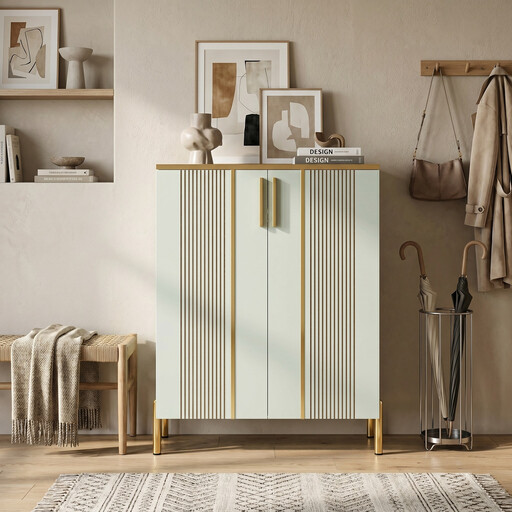
Why This Fits Their Persona: A solution for households with many shoes that prefer a closed, uniform look in the hallway or entrance area. The high capacity and dust-free design are ideal for families.
Counters the "unstable construction" issue by being made from E0 particleboard and including a recommendation for wall mounting. The adjustable shelves solve the problem of "incorrect dimensions" for different shoe types.
High capacity (up to 24 pairs); closed design for a tidy look; adjustable shelves for maximum flexibility.
We've compiled a complete, up-to-date list of products that meet these strict selection criteria and comply with current regulations.
The load capacity varies greatly depending on the material and construction. Always check the manufacturer's specifications for the maximum load capacity per shelf and for the entire unit. In general, constructions made of metal or solid wood are more robust than simple plastic racks. For heavy cabinets, wall mounting is often recommended for safety and is usually included.
Ensure that shoes are always completely dry before storing them. When buying, look for models with integrated ventilation openings, slots in the doors, or an open back panel. Regularly airing out the cabinet and using odour absorbers like cedar blocks or activated charcoal bags can also help.
High-quality stackable shoe boxes are equipped with interlocking elements or grooves that ensure a stable connection. It is important to build the stack on a level surface and not to exceed the maximum stacking height specified by the manufacturer to guarantee stability.