
Lieferung heute & morgen

Qualitätsgarantie

Willkommens-Angebote freischalten: KOSTENLOSE Lieferung | Bis zu 80 % RABATT | Kostenlose 30-Tage-JoyPlus-Testphase
App herunterladen
A cluttered entryway overflowing with shoes is a common frustration. However, the search for the right shoe storage solution can quickly become overwhelming. Many products overpromise and underdeliver, leading to buyer's remorse. Before you invest, you should know the three most common pitfalls that can render a seemingly good solution useless.
To find a durable and functional solution, you should evaluate three core parameters. These will help you select a product that perfectly matches your needs and your space.
The material is crucial for the longevity and load-bearing capacity of your shoe storage.
A stable shoe rack should stand firm and not wobble, even when fully loaded.
Before buying, measure not only the available floor space but also your shoes.
The choice of system depends on your priorities: quick access, a tidy appearance, or protection for your collection.
Here are some recommendations tailored to specific needs and living situations.
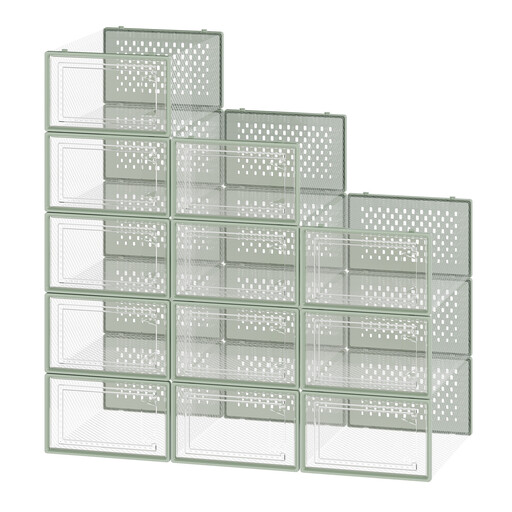
Why This Fits Their Persona: Ideal for sneakerheads who want to protect their collection while keeping it on display. Each pair is housed individually and is instantly identifiable and accessible through the transparent front door.
The boxes bypass the issue of misleading capacity claims, as they are designed for single pairs up to a specific size. Integrated ventilation holes prevent odour build-up.
Modular, stackable design for flexible expansion; protection from dust and pressure marks; quick access via front-facing doors.
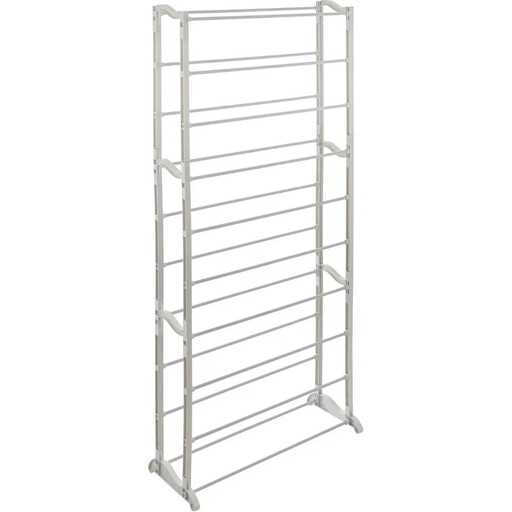
Why This Fits Their Persona: This tall, narrow rack makes optimal use of vertical space, offering room for up to 30 pairs of shoes on a small footprint. It's a pragmatic solution for hallways, utility rooms, or basements.
The open construction of metal and plastic ensures maximum ventilation and prevents moisture build-up. Its simple structure is designed for functionality and capacity, not for heavy individual loads.
High capacity on a minimal footprint; very lightweight; open design for good air circulation.
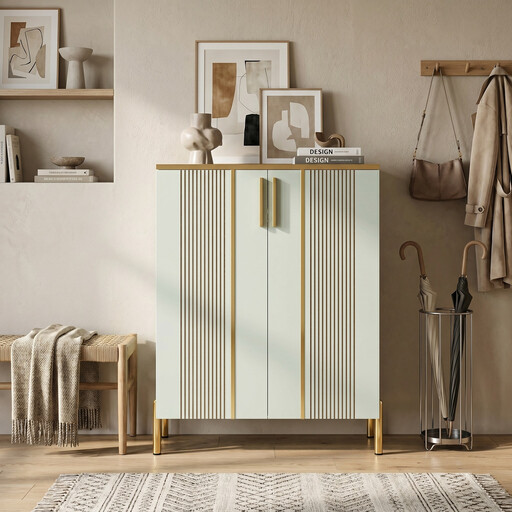
Why This Fits Their Persona: For anyone seeking functional storage that seamlessly integrates as a stylish piece of furniture in a living room or hallway. The closed barn-style doors conceal shoe clutter and create a tidy atmosphere.
The construction from E0 particleboard and metal, along with the included wall anchor, prevents instability. Adjustable shelves solve the problem of ill-fitting compartment sizes for different shoe types.
Elegant design that conceals shoes; adjustable shelves for high flexibility; sturdy construction with anti-tip hardware.
We've compiled a full, up-to-date list of products that fully meet these strict selection criteria and safety regulations.
As a rule of thumb, you should allow for a width of about 20-25 cm and a depth of 30 cm for an average pair of shoes (EU size 38-44). For boots or wide hiking shoes, you will need correspondingly more space in both width and height. Measure your largest pairs as a reference.
Most hanging organisers, like the model from ANQI, are designed for lighter footwear such as trainers, sandals, or flats. The weight limit per compartment is often restricted (e.g., to a few kilograms). For heavy work boots or winter boots, a sturdy, freestanding rack or cabinet is the safer choice.
Ensure your shoes are completely dry before placing them in the cabinet. Choose a model with integrated ventilation slots or holes in the back panel. Additionally, cedar wood blocks or special shoe deodorisers can help absorb moisture and maintain freshness.
By the Joybuy Product Recommendation Officer, August 29, 2026