
Lieferung heute & morgen

Qualitätsgarantie

Willkommens-Angebote freischalten: KOSTENLOSE Lieferung | Bis zu 80 % RABATT | Kostenlose 30-Tage-JoyPlus-Testphase
App herunterladen
A cluttered entryway, overflowing piles of shoes, and the constant search for the right pair—inadequate shoe storage can make daily life difficult. But the search for the right solution is filled with pitfalls that often only become apparent after your purchase. Many products overpromise and underdeliver, leading to frustration instead of order.
Before you make a decision, you should know the three most common problems that lead to a bad buy:
This guide will help you avoid these problems and find a solution that perfectly matches your available space, shoe collection, and needs.
To find a durable and functional solution, you should check three core aspects. These will help you objectively evaluate a product's quality and suitability.
The material is a key factor in the durability and stability of your shoe storage.
Always check the specified maximum load capacity per shelf. A value of 5 kg per tier is a good benchmark for everyday use.
Measure your available space carefully before choosing a model.
The type of storage affects both aesthetics and functionality.
Based on these criteria, we have selected some products for different living situations and needs.
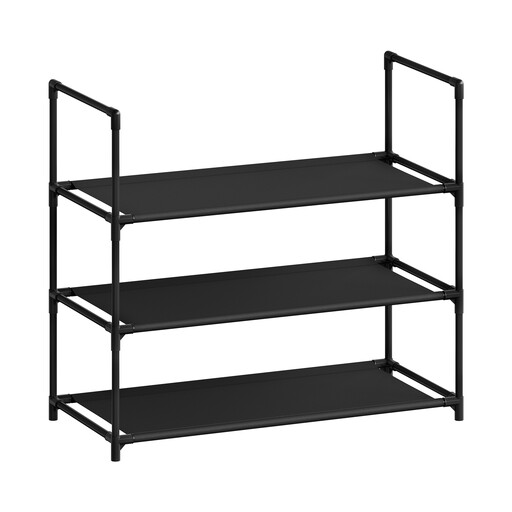
Why This Fits Their Persona: Ideal for students, small apartments, or as an entry-level solution. The narrow design makes efficient use of available space without blocking the walkway, and the minimalist design blends unobtrusively into any environment.
The construction of metal tubes and plastic connectors provides solid basic stability for everyday use. The open design prevents the build-up of moisture and odours.
Tool-free assembly for quick setup; very space-saving due to its shallow depth; removable shelves for taller shoes.
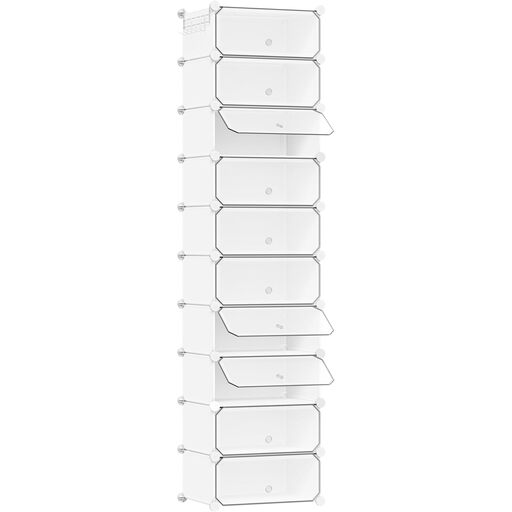
Why This Fits Their Persona: Perfect for households with many shoes. This system offers space for up to 20 pairs and creates a very tidy look in the hallway or bedroom thanks to its closed doors.
The modular interlocking system of PP plastic panels is flexible and can be adapted to different shoe heights. The doors protect from dust, while the integrated handle holes provide basic air circulation.
High capacity and dust-proof storage; shape and size are freely customisable; waterproof and easy-to-clean material.
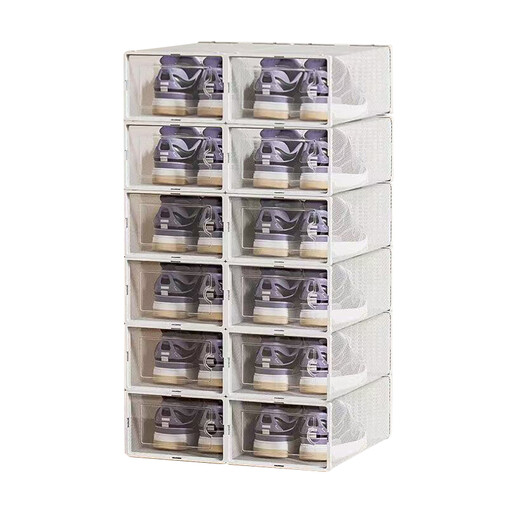
Why This Fits Their Persona: For enthusiasts who want to not only store but also display their sneakers. These boxes protect valuable shoes from dust and environmental factors and allow for the creation of a custom "sneaker wall."
Unlike simple, flimsy plastic boxes, these offer a sturdier construction with magnetic doors that allow for easy opening and closing. The design is built for durability and protection.
Clear front door for high visibility; stackable design for flexible arrangement; magnetic closure for convenient access.
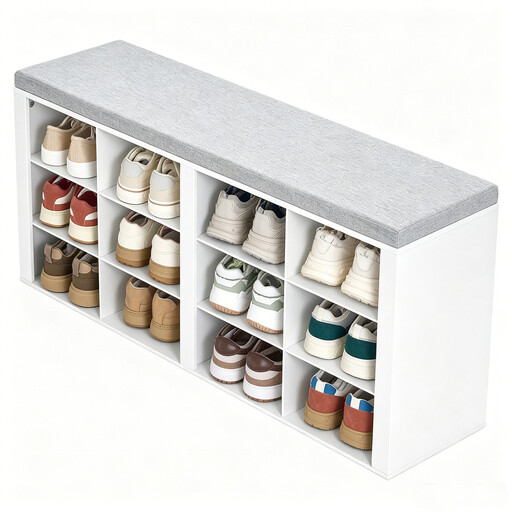
Why This Fits Their Persona: This shoe bench is a 2-in-1 solution that combines storage space with a comfortable seat for putting on and taking off shoes. It is ideal for families or anyone looking to enhance comfort in their entryway.
The height-adjustable shelves solve the problem of ill-fitting compartment sizes for different shoe types. The sturdy particle board construction, with a specified load capacity of 150 kg, prevents instability.
Combination of seating and storage; customisable compartments for different shoe heights; removable seat cushion for easy cleaning.
We have compiled a complete, up-to-date list of products that fully meet these strict selection criteria.
As a rule of thumb, about 15–20 cm of height is sufficient for flat shoes like sneakers or ballet flats. For ankle boots or hiking shoes, you should plan for 25–30 cm. For tall boots, it's advisable to choose a system with removable shelves to create a double-height compartment if needed.
Ensure your shoes are completely dry before placing them in the cabinet. Air out the cabinet regularly. Models with integrated ventilation slots are advantageous here. Additionally, cedar blocks or small bags of activated charcoal can help absorb moisture and neutralise odours.
Stability largely depends on the quality of the boxes. Look for models with an interlocking design that prevents slipping. Boxes made of thicker, more rigid plastic are more stable than very thin-walled versions. For very high stacks, anchoring them to the wall can be a sensible safety measure to prevent tipping. Always check the manufacturer's recommendations.