
Lieferung heute & morgen

Qualitätsgarantie

Willkommens-Angebote freischalten: KOSTENLOSE Lieferung | Bis zu 80 % RABATT | Kostenlose 30-Tage-JoyPlus-Testphase
App herunterladen
A cluttered entryway, overflowing piles of shoes, and the daily search for the right pair—it's a common problem in many households. A well-designed shoe storage solution can bring order to the chaos. However, the market is flooded with options, and not every solution delivers on its promise. As your Joybuy Product Recommendation Officer, I'll help you navigate the common pitfalls and make a functional choice for your home.
Before you invest, you should be aware of the most common issues that can quickly turn a new purchase into a disappointment.
hallway shoe cabinet that looks compact in product photos can easily block a narrow corridor. The depth of the furniture is especially underestimated.To find a solution that you'll be happy with long-term, focus on three key objective parameters.
The first step is always to measure your available space precisely. Note the maximum width, height, and especially the depth.
Consider whether you prefer an open or closed solution. Open racks ensure good ventilation for your shoes, while closed cabinets and tip-out units provide a tidy, dust-free appearance.
The material determines not only the look but also the stability and lifespan of your shoe storage.
Count the number of shoe pairs you need to store regularly. Plan for a little extra buffer for future purchases or guest shoes. Some models offer adjustable or removable shelves, which is particularly useful for accommodating taller footwear like boots or ankle boots.
Here are a few recommendations tailored to specific needs and living situations.
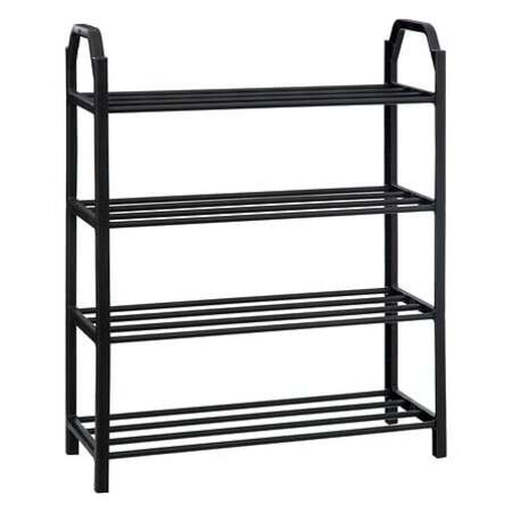
Why it's a great fit: Ideal for anyone looking for a straightforward, extremely space-saving, and budget-friendly solution. Perfect for storage closets, narrow hallways, or as a secondary rack in the basement.
With a depth of just 18.5 cm, this rack masterfully avoids the "Depth Trap." The open grid structure ensures constant air circulation and helps prevent odour build-up.
Assembly is tool-free thanks to a simple click-in system. The combination of PP plastic and coated metal tubes provides a lightweight yet stable structure for up to 8 pairs of shoes.
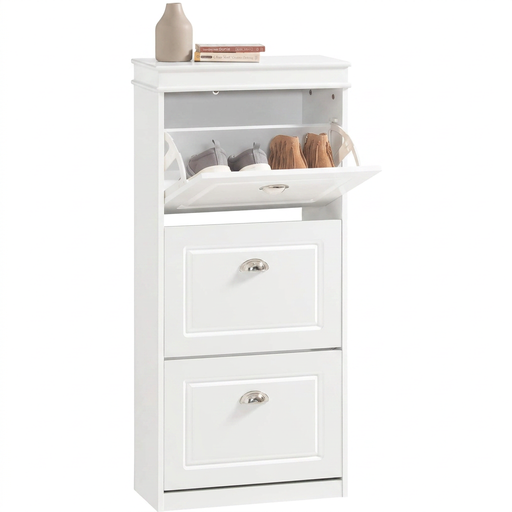
Why it's a great fit: This tip-out cabinet conceals shoe chaos behind a sleek, white facade. It's the ideal solution for a tidy and stylish entryway.
At just 24 cm deep, this cabinet is extremely space-saving. The solid MDF (E1) construction and the included anti-tip device for wall mounting counteract the "Instability Trap."
The closed system protects shoes from dust and creates a calm, uncluttered look in the hallway. According to the manufacturer, the material is FSC-certified, indicating responsible forest management.
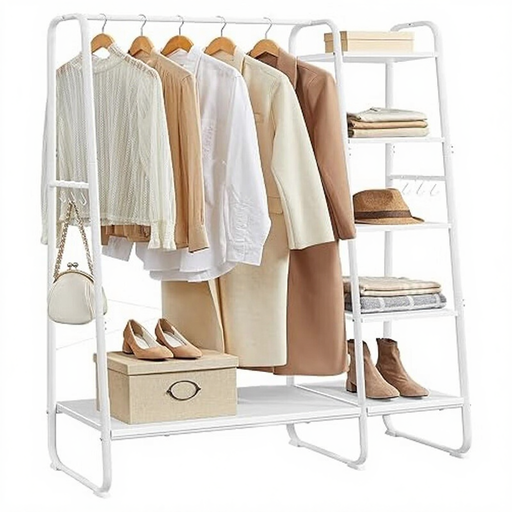
Why it's a great fit: For anyone looking for a complete hall tree solution for an entryway or bedroom. It combines a clothes rail, hooks, and shoe storage in a single piece of furniture.
The "Instability Trap" is avoided with a sturdy alloy steel frame and durable particle boards. The high total maximum load capacity of 220 kg (according to the manufacturer) is a testament to its solid construction.
This system offers high functional density in a compact footprint: a clothes rail with a 40 kg capacity, six hooks, and five shelves with staggered load capacities for thoughtful weight distribution.
We have compiled a complete, up-to-date list of products that fully meet these strict selection criteria and quality standards.
A space-saving tip-out cabinet or a very narrow rack should ideally have a depth of no more than 25 cm. Some models are even as slim as 17-19 cm. Measure your hallway at its narrowest point and ensure you leave enough room for clearance.
That depends on your priorities.
Yes, it is strongly recommended. Due to their shallow depth and high centre of gravity when the flaps are open, tip-out cabinets are prone to tipping over. Securely anchoring it to the wall with the provided anti-tip device is essential for stability and safety, especially in households with children.
With a thoughtful approach and a focus on the right parameters, you can find a shoe storage solution that not only creates order but is also a perfect long-term fit for your home.
Your Joybuy Product Recommendation Officer