
Lieferung heute & morgen

Qualitätsgarantie

Willkommens-Angebote freischalten: KOSTENLOSE Lieferung | Bis zu 80 % RABATT | Kostenlose 30-Tage-JoyPlus-Testphase
App herunterladen
By a Joybuy Product Recommendation Officer, July 05, 2026
For many people of East Asian heritage, Eight Treasure Porridge (八宝粥, Bā Bǎo Zhōu) is more than just a meal—it's a familiar taste of home. At the same time, a growing number of health-conscious consumers and the culinarily curious are discovering this nutritious Chinese rice porridge as a convenient option for a quick breakfast or snack.
However, the selection can be overwhelming: should you choose a ready-to-eat porridge or a dry congee mix for home cooking? Which brand offers the ingredients you want? This article serves as an objective guide to the available Eight Treasure Porridge options, helping you find the perfect product for your needs.
To make the right choice, a few key criteria can help. Here are three practical points to consider in your decision.
The first decision comes down to your available time and desired flexibility.
A look at the ingredients reveals the product's authenticity and nutritional value. Traditional Eight Treasure Porridge contains a wide variety of ingredients.
Depending on your consumption habits, the package size can be a deciding factor.
Based on the criteria above, we have compiled a selection of different products that cater to various needs.
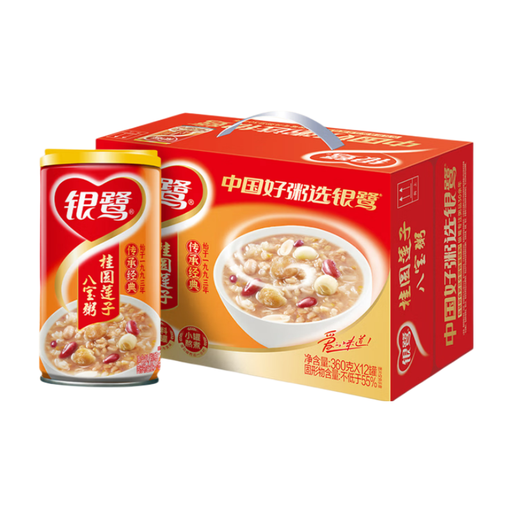
What makes it stand out: This product from Yinlu is a classic, ready-to-eat Eight Treasure Porridge in a can. The recipe is based on a traditional blend of eight grains, including barley, glutinous rice, and oats, complemented by longan and lotus seeds. According to the manufacturer, the porridge is fat-free. It comes in a convenient 12-can case.
Pros:
Best for: Individuals and families who appreciate having a convenient stock of quick, nutritious meals and prefer the authentic taste of a ready-made porridge.
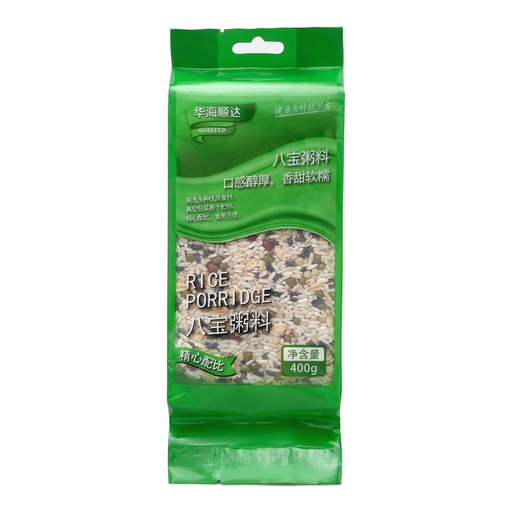
What makes it stand out: The dry congee mix from Huaseed provides a carefully curated base for homemade Eight Treasure Porridge. The 400g pack contains a variety of ingredients like red rice, black rice, various beans, peanuts, red dates, and goji berries. The mix itself contains no added sugar.
Pros:
Best for: Home cooks and health-conscious consumers who enjoy the cooking process and want full control over the ingredients and flavour of their porridge.
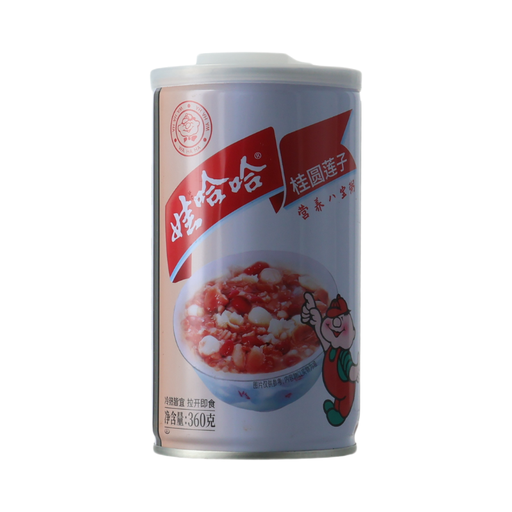
What makes it stand out: Wahaha is another well-known brand offering a ready-to-eat Eight Treasure Porridge. This version stands out for its relatively high content of longan (5%) and lotus seeds (3%). The 360g can is a convenient single portion, perfect for a quick meal.
Pros:
Best for: Individuals looking for a hassle-free, quick meal for breakfast, a snack, or on the go, who prefer the taste of an established brand.
If you're looking for other flavours or want to explore more varieties of Asian porridge, you can find a wider selection in our comprehensive category. Discover more products and find your favourite.
? Explore our entire range of rice porridge here
1. What exactly is Eight Treasure Porridge? Eight Treasure Porridge, "Bā Bǎo Zhōu" in Mandarin, is a traditional Chinese grain porridge (congee). The name "Eight Treasures" refers to the variety of nutritious ingredients, which typically includes eight or more different types of grains, beans, nuts, seeds, and dried fruits. The exact composition varies by region and manufacturer.
2. Is Eight Treasure Porridge a healthy meal? Eight Treasure Porridge is based on a mix of whole grains and legumes, which provide carbohydrates, plant-based protein, and dietary fibre. For ready-to-eat products, it's wise to check the nutrition facts, especially the sugar content, as it can vary significantly between brands. A dry congee mix for home cooking offers the advantage of letting you control the amount of sugar yourself.
3. How is Eight Treasure Porridge eaten? Ready-to-eat porridge from a can may be eaten cold, but many people prefer it warmed up. To heat, you can pour the contents into a pot or a microwave-safe bowl and heat briefly. A dry congee mix must be cooked before consumption. The usual preparation involves soaking the mix for a few hours and then simmering it in water until the desired creamy consistency is reached. It is typically eaten for breakfast, as a light lunch, or as a nutritious snack.