
Lieferung heute & morgen

Qualitätsgarantie

Willkommens-Angebote freischalten: KOSTENLOSE Lieferung | Bis zu 80 % RABATT | Kostenlose 30-Tage-JoyPlus-Testphase
App herunterladen
A new refrigerator is a long-term investment for your home. But misleading ad claims and overlooked details often lead to disappointment. Before you buy a refrigerator, you should know the three common pitfalls that can lead to unnecessary costs or reduced convenience. This guide will help you make an informed decision based on facts and your actual needs.
The selection is vast, and marketing messages can be confusing. Pay close attention to these three points to avoid a poor investment:
To find the right refrigerator, you should focus on the essential technical features. These three parameters are crucial for functionality and long-term running costs.
The right size depends on your household size and shopping habits. A common rule of thumb is:
There are various designs to suit different needs:
Since 2021, the new EU energy label with classes from A (very efficient) to G (less efficient) has been in effect. An appliance with a better energy efficiency class can save on electricity costs over the years, despite a higher purchase price. The most meaningful value for comparison is the annual energy consumption in kilowatt-hours (kWh), which is stated on every label.
Auto-defrost is a crucial convenience feature. The most advanced technology is No Frost. An air circulation system removes moisture from the freezer compartment, preventing ice from forming on the interior walls or on frozen goods.
Based on objective criteria, we have compiled a few models for different needs and household sizes.
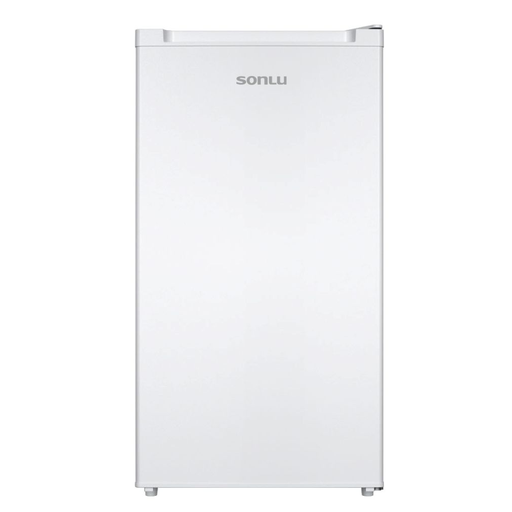
Why This Fits Their Persona: Ideal for singles, students, or as a second appliance in the office. This model focuses on the core function of cooling and, with 82 litres, offers enough space for one person's needs without taking up unnecessary room.
The appliance deliberately omits expensive "smart" features. Its compact size prevents the energy waste that occurs with an oversized, empty refrigerator.
Compact dimensions, can be used flexibly as a counter-top refrigerator; mechanical temperature control for simple and reliable operation.
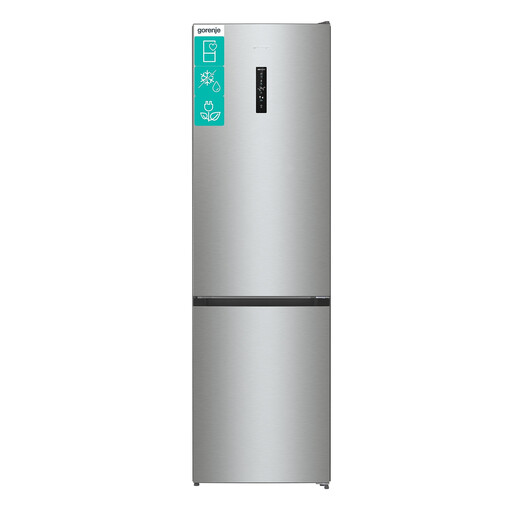
Why This Fits Their Persona: With a total volume of 331 litres, this fridge-freezer combo is ideal for families. It offers a good balance of fridge and freezer space, high energy efficiency, and very quiet operation.
At just 35 dB, the appliance is exceptionally quiet, making it perfect for modern, open-plan kitchens. Its C energy efficiency class ensures low long-term running costs.
No Frost technology prevents ice build-up in the fridge and freezer sections; very low noise level; Multi-Airflow system for even cooling.
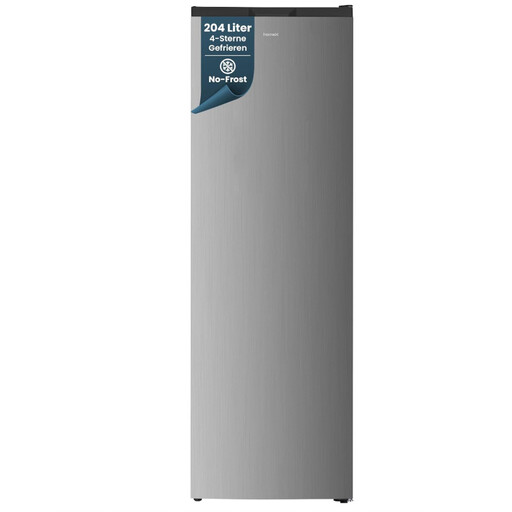
Why This Fits Their Persona: For anyone who buys in bulk, batch cooks, or wants to freeze a garden harvest. This separate freezer offers an enormous 204 litres of space for long-term food storage.
This specialised appliance serves a clear purpose, avoiding the compromise of a too-small freezer compartment in a standard combo unit. The No Frost feature ensures performance and saves on maintenance.
Large 204-litre usable capacity; No Frost technology eliminates manual defrosting; Super Frost function for fast and gentle freezing of fresh food.
We have compiled a complete, up-to-date list of products that fully meet these strict selection criteria and German safety regulations.
As a guide, you can plan for about 100 to 150 litres for a one- to two-person household. For each additional person, you should add around 50 more litres. Also, consider your personal habits: those who shop less frequently and store more supplies will tend to need more space.
The main advantage of No-Frost technology is convenience: it completely eliminates the need to manually defrost the freezer. A fan ensures constant circulation of cold, dry air, preventing ice from forming. This leads to a more stable temperature, protects frozen food from freezer burn, and keeps energy consumption consistently low.
Noise level is measured in decibels (dB). For open-plan kitchens or studio apartments, a quiet operation is especially important. Appliances with a rating of 38 dB or less are generally perceived as quiet and are barely audible in daily operation. Models around 41 dB are already noticeably louder.