If you’re looking for a crumbly biscuit with a pronounced buttery flavour to enjoy with your coffee, classic butter shortbread could be a good choice. If you prefer a crisp, crumbly biscuit made with wheat and wholemeal wheat flour, a classic Digestive is another option. The ingredients and nutritional information on the specific pack are what matter. If you need to avoid gluten, look for a product explicitly labelled gluten-free and check for other allergens too.
Who are these biscuits for?
Fans of buttery biscuits
If you’re after a crumbly, buttery biscuit to enjoy with coffee or tea, take a look at classic butter shortbread. The Shortbread example described by REWE contains salted butter; check the ingredients list for any other variety you’re considering.
Fans of classic Digestives
If you prefer a crisp, crumbly wheat biscuit with wholemeal wheat flour, McVitie's Digestives Original is closer to this flavour profile than a distinctly buttery shortbread. Always check the ingredients on the pack you buy.
Anyone who needs gluten-free options
If you need to avoid gluten and wheat, look for an explicit gluten-free label on the biscuits you choose. Schär offers butter biscuit and Digestive options; be sure to check each product for milk, egg and any ‘may contain’ information too.
What should you look for when choosing?
| What to consider | What to check | Who should consider this? |
|---|
| Butter flavour and texture |
Check whether butter is listed as an ingredient and, where stated, how much the product contains. REWE lists 32 % salted butter for Feine Welt Shortbread Fingers; this applies to that product. |
I mainly want a crumbly biscuit with a pronounced buttery flavour to enjoy with coffee. This flavour profile is the top priority for around 38 % of consumers. |
| Digestive style and nutritional information |
Look for wheat and wholemeal wheat flour, and compare fat, sugar and salt per 100 g. The name ‘Digestive’ is no substitute for checking the nutritional information. |
I’d rather have a classic Digestive with clear ingredients than butter shortbread, and I want to compare the nutritional information too. This is the top priority for around 37 % of consumers. |
| Gluten and allergens |
Check that the specific variety is labelled gluten-free, and review its ingredients, highlighted allergens and any ‘may contain’ information. |
I need to avoid gluten and want to know about other allergens before buying. This is the priority for around 25 % of consumers. |
Common buying mistakes
-
Assuming ‘Digestive’ means it aids digestion
The name alone doesn’t tell you whether a biscuit has any effect on digestion.
Choose based on ingredients, taste and nutritional information, rather than assuming the product name has a health-related meaning.
-
Comparing only the brand or pack size
Shortbread and Digestives can have quite different ingredients: REWE lists 32 % salted butter for its Feine Welt Shortbread Fingers, while McVitie's lists wheat and wholemeal wheat flour for Digestives Original.
Compare the ingredients of the varieties you’re interested in, and check their nutritional information on the same basis: per 100 g.
-
Assuming gluten-free means allergen-free
The gluten- and wheat-free butter biscuit described by Schär contains butter, eggs and whole milk powder; it may also contain traces of soya and lupin.
If you have an allergy, check the information on the exact pack you’re planning to buy.
-
Assuming an online product is available everywhere
What’s available may depend on your chosen location and shop.
Before buying, check current availability and the delivery or collection options for your location.
Brands to consider
McVitie's
McVitie's describes Digestives Original as a crisp, crumbly biscuit made with wheat and wholemeal wheat flour, to enjoy with coffee or tea.
- An option if you’re specifically looking for the classic Digestive style.
- This product contains wheat. Check the specific pack for information about milk and the latest nutritional information too.
Walkers Shortbread
Walkers offers a range of classic shortbread varieties. REWE stocks the brand in its online shop.
- A choice of shortbread shapes to suit different coffee-break preferences.
- Check the ingredients, allergens and current range for the variety you want and your location.
Schär
Schär offers gluten-free biscuits, including butter biscuits and Digestive varieties.
- A range worth checking product by product if avoiding gluten and wheat is essential.
- The butter biscuit described contains butter, eggs and whole milk powder, and may contain traces of soya and lupin.
Shortbread for your coffee break at Joybuy
This shortbread is described as a biscuit to enjoy with coffee or tea. If you’re specifically looking for butter shortbread, check the ingredients separately: a buttery flavour description doesn’t confirm that it contains butter.
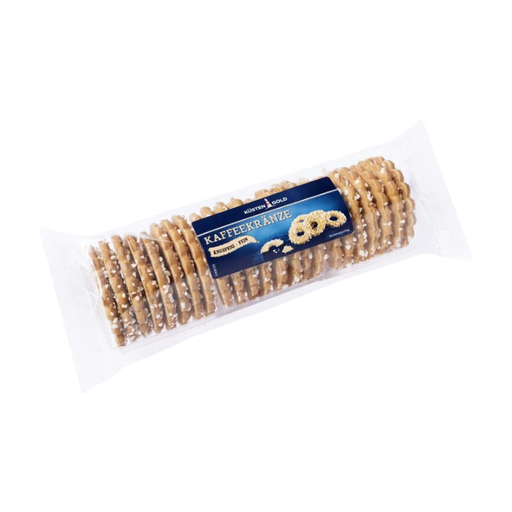 No image available
Küstengold Coffee Wreath Shortbread Biscuits, 300 g
Described as shortbread to enjoy with coffee or tea.
The ingredients list palm fat but doesn’t specify a butter content. If you’re looking for a biscuit made with butter, check the current recipe on the pack.
According to the product description, the biscuits contain gluten, egg, soya and milk; possible traces of nuts are also mentioned. If you have an allergy, always check the label on the specific pack.
View at Joybuy
Frequently asked questions
Are Digestive biscuits automatically good for digestion?
No. The name ‘Digestive’ alone doesn’t tell you whether a biscuit has any effect on digestion. Instead, check the ingredients and nutritional information for the specific biscuits.
What’s the difference between shortbread and classic Digestives?
Buttery shortbread and a Digestive made with wheat and wholemeal wheat flour have different flavour profiles. REWE lists 32 % salted butter for Feine Welt Shortbread Fingers, while McVitie's lists wheat and wholemeal wheat flour for Digestives Original. These ingredients apply to those specific products, not to every variety of either type of biscuit.
Is a gluten-free biscuit also free from milk and egg?
Not necessarily. The gluten- and wheat-free butter biscuit described by Schär contains butter, eggs and whole milk powder, so check all the ingredients and ‘may contain’ information relevant to you on the pack you choose.
What should I check on the pack if I have allergies?
Check the ingredients list, highlighted allergens and any ‘may contain’ information for the specific variety. According to the Federal Ministry of Agriculture, Food and Regional Identity, the 14 most common causes of allergies and intolerances must be labelled in Germany when they’re used as ingredients. The current pack is therefore the best guide when making your choice.


