What should you look for when buying?
First, decide how you’ll serve the biscuits while keeping them protected, and which ingredients are suitable for your guests. Then choose a flavour profile and pack size to suit the quantity you’re planning for.
| Criteria |
What to check |
Who it matters to |
| Protected serving |
Check that the pack is intact and the product information is legible; plan how you’ll store and protect the biscuits at your stall. |
I want to serve biscuits hygienically, even in changeable weather, and be able to check the information on the pack; protected serving is the top priority for around 30 % of consumers. |
| Ingredients and allergens |
Read the ingredients list, highlighted allergens and may-contain information on the pack you buy; check specifically for a gluten-free label if needed. |
If guests need to avoid certain ingredients, I don’t want to rely on the name ‘digestive’ alone. Around 30 % of consumers prioritise suitable ingredient and allergen labelling. |
| Flavour and texture |
Choose between butter shortbread and digestives containing wholemeal wheat, based on the product description. |
I want crumbly shortbread or a crunchy digestive to take centre stage for my guests; this biscuit style is the deciding factor for around 20 % of consumers. |
| Portioning |
Compare the net weight and, where provided, the number of biscuits or portions with the quantity you plan to serve. |
I want to estimate how much I’ll need and avoid leaving more stock open than necessary. Portioning is the main concern for around 20 % of consumers. |
Shortbread at Joybuy
This product is part of the butter shortbread selection. When serving it at a street fair, the information on the pack you receive and keeping the biscuits protected at your stall remain key.
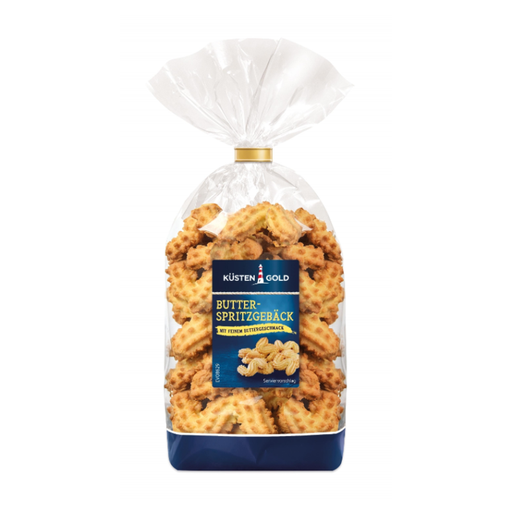 Image unavailable
Küstengold Butter Shortbread Biscuits, 200 g
A choice for anyone who’d like to serve butter shortbread rather than digestive biscuits at a street fair.
The product name states that the pack contains 200 g. Before serving, check the ingredients and allergen information on the pack you receive, as well as how the individual biscuits are packaged.
View at Joybuy
Frequently asked questions
Are shortbread and digestives the same?
No, the products covered here have different recipes: Walker’s Shortbread lists 32 % butter in its Shortbread Fingers, while McVitie's Digestive The Original contains 16 % wholemeal wheat flour, according to REWE. Choose the type of biscuit you want, then check the ingredients on the specific pack.
Are digestive biscuits automatically gluten-free?
No. The McVitie's and Feiny digestives listed by REWE contain wheat. Schär Landtaler Digestive, on the other hand, is explicitly labelled gluten-free and lactose-free, but contains soya and may contain traces of lupin and egg. Always check the information on the pack you’re actually buying.
What labelling should I check when serving or selling biscuits?
You’ll need to check allergen information for the specific way you plan to serve the biscuits. The Federal Ministry of Agriculture, Food and Home Affairs explains the labelling requirements for the 14 most common allergens. The City of Münster also lists required information about allergens and additives for food stalls. Check the requirements for your stall with the relevant local authority.
How should I store biscuits during a street fair?
Store biscuits as directed on the pack, keeping them clean and protected from the weather and contamination. For Feiny Digestive, REWE recommends storing in a dry place away from heat. Open packs and loose biscuits also need suitable protection at your stall.


