What should you look for when buying?
Shortbread and chocolate separately
Best if: You want to choose the chocolate’s cocoa content yourself or make a chocolate topping separately from the biscuit base.
Bear in mind: You’ll need two components. If you’re making a glaze, check the instructions for the chocolate or couverture you choose.
Shortbread with dark chocolate
Best if: You want to add ready-made biscuit pieces or crumbs with a chocolate flavour to your cake.
Bear in mind: The cocoa percentage of the chocolate in the biscuits doesn’t describe the biscuit as a whole; other ingredients can also affect the flavour of your cake.
First decide whether you need a crumbly base, a chocolate layer or ready-made biscuit pieces. To choose a dark chocolate flavour, compare the details on the specific chocolate and, for ready-made chocolate shortbread, check its ingredients too.
| What to consider |
What to check |
Who it matters to |
| Cocoa content |
Compare the cocoa percentage of the specific chocolate. For chocolate shortbread, also check how much chocolate the biscuits contain. |
If I want a pronounced dark chocolate flavour, I want to know the cocoa content of the chocolate I choose. For around 36% of consumers, this would be their top priority. |
| How you’ll use the shortbread |
Decide whether you want to use it for a base, as crumbs or in biscuit pieces. For flavoured varieties, check what other ingredients add to the taste. |
I’d choose differently depending on whether I want a crumbly base or biscuit pieces mixed in. Around 29% of consumers would prioritise finding the right shortbread texture. |
| Preparing the chocolate |
If you’re making a melted layer, check the product type and the instructions on the pack. REWE Beste Wahl dark chocolate couverture specifies heating in a bain-marie to a maximum of 45 °C. |
If I’m making a glaze, I want to know how to prepare the chocolate I’ve chosen. Around 21% of consumers would consider this their most important buying decision. |
| Ingredients and allergens |
Check the ingredients and allergen information for both components, as well as any precautionary allergen statements on the specific packs. |
If there are ingredients I need to avoid, I have to check the shortbread and chocolate separately. For around 14% of consumers, this would be their main reason for choosing one product over another. |
Dark chocolate at Joybuy
These bars are options for dark chocolate to use separately with shortbread. They aren’t shortbread and aren’t specifically described as couverture. If you’re planning to make a glaze, check the instructions on the relevant pack.
 No image available
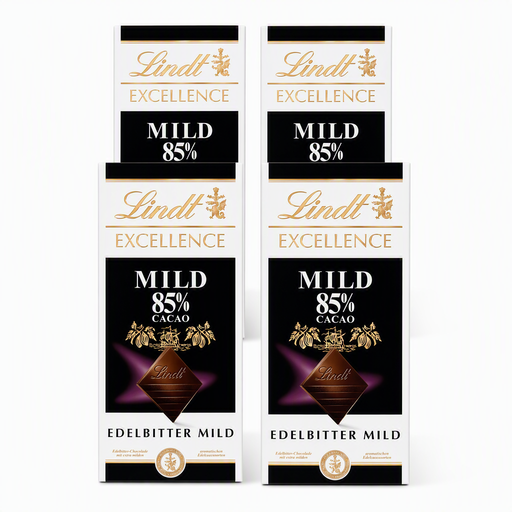
Lindt Excellence 85% Dark Mild, 4 × 100 g
For cakes where you want to choose dark chocolate separately from the shortbread base. The bars aren’t described as couverture, so check the pack instructions if you’re making a glaze.
- 85% cocoa
- Pack of 4 bars, each weighing 100 g
View at Joybuy
 No image available
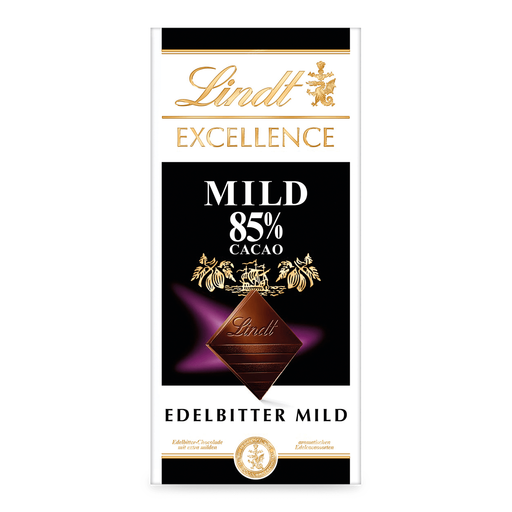
Lindt Excellence 85% Cocoa Mild Dark, 100 g
For cakes where you want to use a single bar of dark chocolate alongside the shortbread base. The bar isn’t described as couverture, so check the product-specific instructions before melting it.
View at Joybuy
Frequently asked questions
Does ‘dark chocolate’ always mean a high cocoa content?
No. To choose, check the percentage on the specific product. If you’re buying shortbread with dark chocolate, also check how much chocolate the biscuits contain: the Shortbread House variety described by Julius Meinl am Graben contains 9% dark chocolate, with at least 52% cocoa solids.
When should I use couverture instead of chocolate shortbread?
Choose couverture if you want to make a separate layer of melted chocolate; chocolate shortbread is better used as a biscuit ingredient. For its dark chocolate couverture, REWE specifies slow heating in a bain-marie to a maximum of 45 °C and advises against adding water.
How should I store shortbread with dark chocolate?
Follow the storage instructions on the specific pack. For the Shortbread House variety described by Julius Meinl am Graben, the instructions are to store it in a cool, dry place away from light.
What should I look out for with allergens?
Check the information on the shortbread and chocolate separately, including any precautionary allergen statements. The European Commission explains that allergens that must be declared in the EU need to be clearly identified; check the specific pack to see which ingredients a particular variety contains.


