Choosing a new shower system can completely transform a bathroom. But the market is flooded with products whose marketing promises often suggest more than the technology can deliver. Incompatible fittings, disappointing water pressure, or rapid limescale buildup are common consequences of an uninformed purchasing decision.
As your Joybuy Product Recommendation Officer, I'll help you identify the crucial features and avoid common purchasing pitfalls. This guide focuses on the objective facts that truly matter for a durable and functional solution in your home.
The 3 Most Common Mistakes When Buying a Shower System
Before we turn to the solutions, it's important to understand the most common problems that lead to frustration and unnecessary costs.
- Incompatible Fittings: A frequent annoyance is buying a visually appealing system that doesn't fit your existing water connections. Especially with a shower column without a valve, which is intended for retrofitting, the distance and type of connections must match exactly to avoid extensive plumbing work.
- Incorrect Expectations for Water Pressure: The term high-pressure shower head is not a protected designation and doesn't guarantee a powerful spray. The actual performance depends on the water pressure in your house and the shower head's nozzle technology. A system not optimised for low pressure will only produce a trickle in many older buildings or on upper floors.
- Ignoring Water Hardness: Many regions have very hard, limescale-rich water. A shower system without easy-to-clean silicone nozzles or an integrated limescale filter for the shower will quickly become unsightly, the nozzles will clog, and the water spray will become uneven.
What Really Matters: The Core Parameters Explained
To avoid these mistakes, you should focus on three core technical aspects. These determine the functionality, longevity, and your daily shower experience.
1. Connection Type and Installation: Exposed vs. Concealed
Choosing the right system starts with your walls.
- Exposed Systems: With these, the shower rail and the valve are visibly mounted on the tiled wall. This is the most common option, ideal for retrofitting or renovations as no alterations to the wall are necessary. A shower column without a valve is a typical exposed solution that connects to an existing shower or bath mixer tap.
- Concealed Systems: In this design, the mixer valve is installed inside the wall. Only the controls, the shower head, and possibly the hand shower are visible. The result is a very clean, minimalist look. This solution is primarily suited for new builds or complete renovations, as it requires a more complex installation.
2. Material and Finish: Where Durability Meets Design
The material is crucial for the lifespan of your shower system.
- Brass and Stainless Steel: These metals are the foundation of high-quality valves and shower rails. They are corrosion-resistant and durable.
- ABS Plastic: High-quality ABS plastic is often used for shower heads. It is lightweight, shatter-resistant, and allows for complex nozzle designs.
- Finishes: Chrome is the classic choice—easy to maintain and long-lasting. A shower system in black (matte) or brushed finishes like gold adds modern accents but often requires gentler care without harsh cleaners to protect the coating.
3. Functionality and Safety: More Than Just Water
Modern shower systems offer features that enhance comfort and safety.
- Rainfall Shower: A large overhead shower head creates a true spa-like experience. Pay attention to the size (from 20 cm in diameter) and even water distribution.
- Shower Set with a Thermostat: A thermostat is an important safety feature, especially for families with children or for seniors. It keeps the water temperature constant at the set value (often with a safety lock at 38°C), reliably protecting against scalding, even with pressure fluctuations in the water lines.
- Water-Saving Shower Head: Smart technologies mix air into the water. The result is a full, pleasant spray with reduced water consumption—good for the environment and your wallet.
Tailored Product Recommendations
Here are some product recommendations tailored to specific needs and living situations.
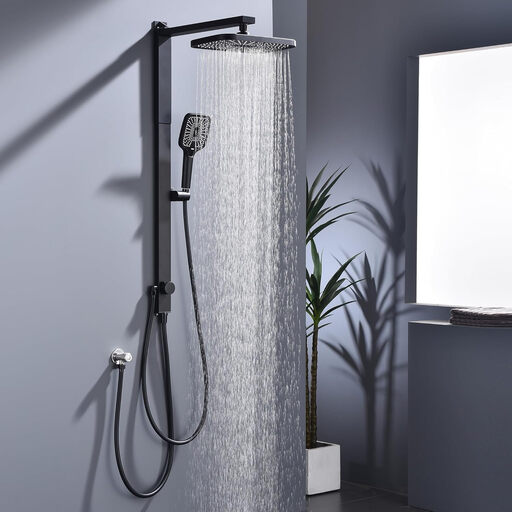
SUITABLE FOR: PRAGMATIC RETROFITTERS
Why it's a great fit: Ideal for renters or DIY enthusiasts who want to modernise their bathroom quickly and without major structural changes. The system connects directly to the existing valve and upgrades the shower experience with a large rainfall shower head and a modern black finish.
How it avoids the pitfall
This system is designed as a shower column without a valve and solves the problem of incompatible fittings by connecting to standard valves. It is a purely exposed solution.
Key Advantage
Enables a cost-effective upgrade to a rainfall shower without complex installation work. The shower rail is height-adjustable (950–1180 mm) to accommodate users of different heights.
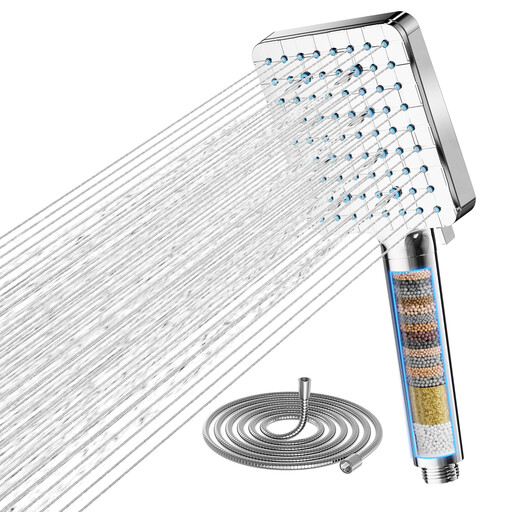
SUITABLE FOR: HEALTH-CONSCIOUS USERS
Why it's a great fit: Perfect for people in regions with hard water who suffer from dry skin or brittle hair. This shower head simply replaces the existing handheld shower head and filters the water right before it sprays.
How it avoids the pitfall
Directly addresses the problem of overlooked water hardness. The integrated 20-stage limescale filter for the shower aims to reduce chlorine, heavy metals, and other impurities.
Key Advantage
The pressure-boosting technology ensures a powerful spray even in systems with low water pressure. The silicone nozzles are also easy to clean.
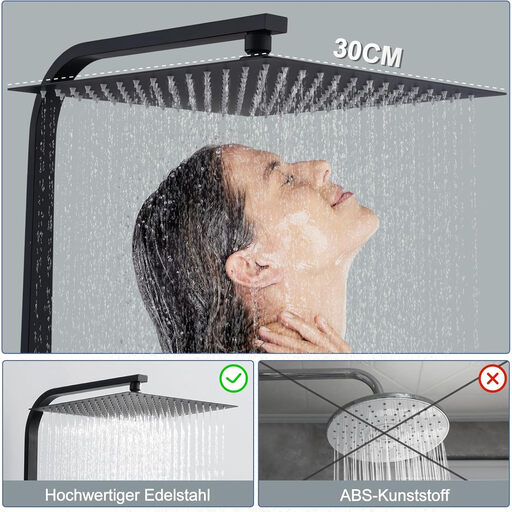
SUITABLE FOR: THE DESIGN & COMFORT-FOCUSED
Why it's a great fit: For anyone looking for a complete, safe, and stylish solution. This all-in-one system in matte black combines a large rainfall shower with the safety advantage of a thermostatic valve.
How it avoids the pitfall
As a shower set with a thermostat, it prevents temperature fluctuations and offers integrated anti-scald protection at 38°C. Since it's a complete system, all components are designed to work together.
Key Advantage
The combination of a 30x30 cm stainless steel overhead shower, thermostatic safety, and a modern black shower system look offers a comprehensive comfort package.
Looking for More Options?
We've compiled a complete, up-to-date list of products that meet these strict selection criteria.
Frequently Asked Questions (FAQ)
1. How often should you change a limescale filter in the shower?
The lifespan of a filter cartridge depends heavily on local water hardness and usage. As a general guideline, most manufacturers recommend replacement every 3 to 4 months. A noticeable decrease in water pressure is often a clear sign that the cartridge is saturated and needs to be changed.
2. Can I connect a shower column without a valve to any tap?
In principle, yes, as long as it is a standard shower or bath mixer tap with a standardised outlet (usually G 1/2 inch) for the shower hose. It's important to check the product description carefully before buying and ensure that the supplied connection hoses and adapters are compatible with your existing valve.
3. Is a thermostatic shower system really worth it?
A thermostatic shower system offers two key benefits: safety and comfort. It prevents sudden temperature fluctuations that can be caused by other water use in the house (e.g., a toilet being flushed). This protects against scalding or cold shocks. It also eliminates the annoying task of readjusting the temperature. This is a very worthwhile investment, especially in households with children or elderly people.