
Lieferung heute & morgen

Qualitätsgarantie

Willkommens-Angebote freischalten: KOSTENLOSE Lieferung | Bis zu 80 % RABATT | Kostenlose 30-Tage-JoyPlus-Testphase
App herunterladen
Shrimp paste is a foundational ingredient in many Asian dishes, particularly in the context of hot pot. It consists essentially of minced shrimp meat processed into a homogenous paste. The quality and range of applications for shrimp paste are largely determined by the percentage of shrimp, the additives used, and the processing method. For consumers looking to buy Asian shrimp paste, understanding these technical parameters is crucial for making an informed decision.
The choice of the right shrimp paste depends on the specific requirements of the dish and personal quality preferences. The following criteria provide an objective basis for evaluation.
The percentage of shrimp meat is the primary indicator of the product's quality. A higher shrimp content generally results in a more intense flavour and a firmer, springy texture after cooking. Products with a content of over 85% are considered high-quality. This information is declared in the ingredients list on the packaging.
A short and clear ingredients list is often a hallmark of products with a high processing standard. Besides shrimp, common ingredients include water, starch (e.g., potato or corn starch) for binding, and salt for preservation and flavour. Emulsifiers (e.g., E450, E451, E452) are used to improve the stability and texture of the paste by binding water and fat. The type and quantity of additives can influence the sensory properties of the paste.
The texture of the raw paste provides insight into the final consistency of the cooked shrimp balls. A smooth, fine paste is easy to shape and yields a delicate texture. A coarser paste with visible shrimp pieces offers a different mouthfeel. The choice depends on personal preference and the intended use, for example, as a filling for dumplings or for hot pot.
Frozen shrimp paste is the most common format, as it preserves the freshness and quality of the product over a longer period. The type of packaging affects handling. Triangular or piping-bag-style packaging allows for easy and hygienic portioning directly into the pot. Larger block or pouch packaging is suitable for more frequent use or larger quantities. Once thawed, the paste should be processed promptly according to the manufacturer's instructions and not be refrozen.
Based on an analysis of product specifications, we present two options that differ in their composition and intended application.
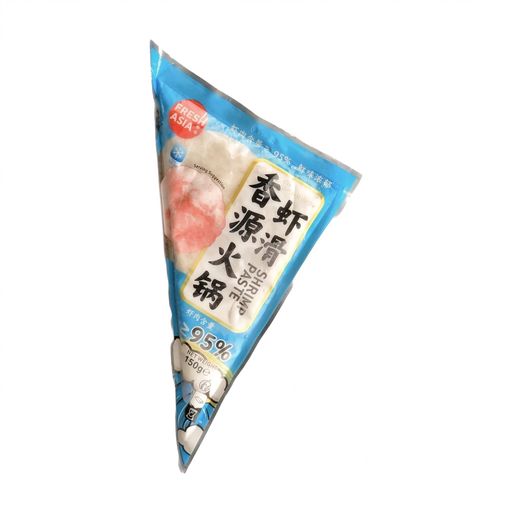
Why we recommend this product This product is distinguished by its very high shrimp content of 95%. According to the manufacturer, the shrimp species Litopenaeus vannamei is used. The triangular single-serving packaging is designed for practical and clean handling, which is particularly advantageous when preparing shrimp paste for hot pot.
Pros
Best for This product is suitable for consumers who place the highest value on an authentic and intense shrimp flavour and are looking for a straightforward solution for hot pot or the quick preparation of shrimp balls.

Why we recommend this product With a shrimp content of 85% and a larger pack size of 250g, this product offers solid value for money. The manufacturer, Zhen Wei Xiang, states that they combine traditional methods with modern technology. The product's versatility, suitable for hot pot, steaming, and frying, makes it a flexible option in the kitchen.
Pros
Best for This product is a great choice for value-conscious shoppers and families who use shrimp paste regularly and for various dishes such as hot pot, fried balls, or as a filling for dumplings.
An authentic Asian meal, especially a hot pot, is rounded out with the right accessories. Handling ingredients in the hot broth requires suitable utensils. A selection of high-quality and functional Chinese chopsticks can significantly enhance the cooking and dining experience.
1. How do you prepare shrimp paste for hot pot? Frozen shrimp paste is typically partially thawed until it is malleable. The paste can then be added in small portions to the boiling broth using a spoon or directly from the piping-style packaging. The shrimp balls are cooked when they float to the surface, which usually takes 3-4 minutes. Ensure the product reaches a core temperature of over 70°C before consumption.
2. Can you make your own shrimp balls from shrimp paste? Yes, shrimp paste is the ideal base for homemade shrimp balls. The paste can be enhanced with additional ingredients like chopped cilantro, ginger, or spring onions. Then, using moistened hands or two spoons, form small balls that can be boiled, steamed, or fried.
3. How long does thawed frozen shrimp paste last? Once thawed, shrimp paste should not be refrozen. It should be stored in the refrigerator and consumed within 24 hours to ensure microbiological safety and product quality. Always follow the specific instructions from the manufacturer on the packaging.