
Lieferung heute & morgen

Qualitätsgarantie

Willkommens-Angebote freischalten: KOSTENLOSE Lieferung | Bis zu 80 % RABATT | Kostenlose 30-Tage-JoyPlus-Testphase
App herunterladen
The search for authentic Sichuan Chili Oil can be a complicated one. Many products on the shelves promise the fiery spice of Szechuan cuisine, but disappointment often follows: the heat is one-dimensional, the aroma is missing, and the characteristic tingling sensation on the tongue—the mala—is nowhere to be found. This is because many products labelled as "chili oil" have little in common with the complex Chinese chili oil from Sichuan.
As a Joybuy Product Recommendation Officer, I see daily which misunderstandings lead to poor purchasing decisions. To help you find the right product for your kitchen right away, we'll highlight the most common pitfalls and the crucial quality markers to look for when you buy.
Before you spend your money on a disappointing product, you should be aware of these typical marketing traps:
To ensure you buy an authentic product, focus on these three objective criteria.
The base of any chili oil is the oil itself. In Sichuan cuisine, rapeseed oil is frequently used. It has a high smoke point and a neutral flavour that allows the aromas of the spices to shine. Soybean oil is also a common alternative. The traditional process, where hot oil is poured over a mixture of dried chilies and spices, is decisive. This step, known as Yóu Pō Là Zǐ (油泼辣子), is essential for releasing the volatile aromatic compounds and giving the oil its vibrant red colour and deep flavour.
A high-quality mala oil is distinguished by a balanced blend of various ingredients. Look for the following components on the ingredients list:
Clarify your intended use before buying. Are you looking for a pure red oil for dumplings and noodle soups that disperses easily? Then a filtered oil without many solid components is the right choice. Do you want to add texture and a crispy bite to your dishes? Then you should specifically look for a chili crisp with peanuts, soybeans, or other inclusions. Both versions are authentic but serve different purposes.
Here are some recommendations tailored to different flavour profiles and applications.
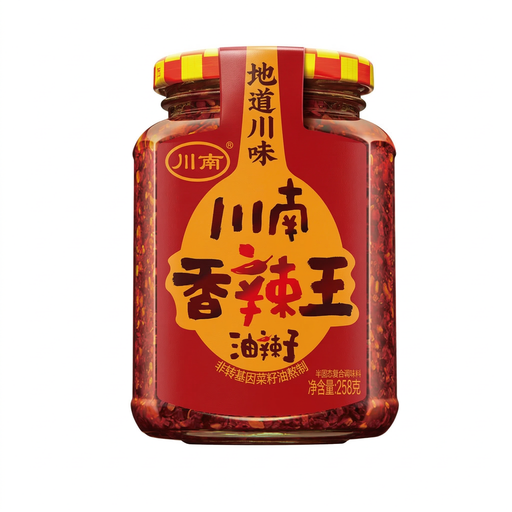
Why This Fits Their Persona: Ideal for anyone seeking not just heat, but also a rich, crispy texture. Perfect as a topping for rice, noodles, and cold dishes where the crunch of peanuts and soybeans can shine.
This oil avoids the "just-hot" trap with an ingredient list that explicitly includes soybeans, peanuts, and Sichuan pepper for a complex texture and mala aroma.
Rich in solid components for a true chili crisp experience. Versatile as both a topping and a condiment.

Why This Fits Their Persona: Designed for cooks seeking the authentic, numbing tingle of Sichuan pepper. The description emphasizes its "numbing mala flavour," making it a top choice for dishes like Mapo Tofu or as a dip for hot pot.
This product clearly positions itself as a mala oil. The ingredient list, focused on rapeseed oil, chili, and Sichuan pepper, is streamlined to deliver an authentic flavour experience.
Focus on the balance between spiciness (là) and numbness (má). The rapeseed oil base ensures clean flavour delivery.
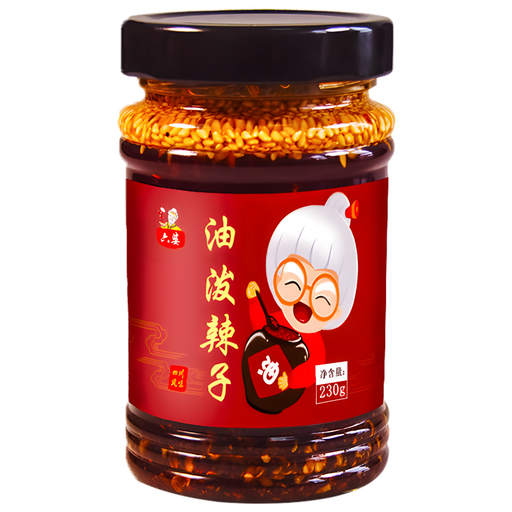
Why This Fits Their Persona: An excellent choice for anyone looking for a versatile Asian seasoning sauce. The moderate heat isn't overpowering, and the flavours of sesame and peanuts make it an approachable all-rounder for cold salads, dips, or finishing rice dishes.
It is explicitly described as "moderately spicy" and "richly aromatic," which prevents false expectations of extreme heat. The ingredient list is transparent and well-balanced.
Balanced flavour profile that isn't overly spicy. Ready to use and versatile for numerous dishes.
We've compiled a complete, up-to-date list of products that fully meet these strict selection criteria.
The main difference lies in the complexity and the inclusion of Sichuan pepper. While many simple chili oils consist of only oil and chili flakes to primarily deliver heat, Sichuan Chili Oil is a complex condiment. In addition to chilies, it contains Sichuan pepper, which provides the signature numbing mala sensation, and often other spices like star anise, ginger, and cinnamon. Many varieties also include crispy components like peanuts or soybeans.
Generally, chili oil should be stored in a cool, dry, and dark place to protect its flavours. After opening, it is recommended to keep the jar tightly sealed in the refrigerator. This slows down the oxidation process and preserves the freshness of the ingredients, especially in oils with solid components. Always follow the storage instructions on the manufacturer's label.
Szechuan pepper oil is extremely versatile. It is the foundation for many classic Sichuan dishes. You can use it: