
Lieferung heute & morgen

Qualitätsgarantie

Willkommens-Angebote freischalten: KOSTENLOSE Lieferung | Bis zu 80 % RABATT | Kostenlose 30-Tage-JoyPlus-Testphase
App herunterladen
Sichuan instant noodles combine quick preparation times with the signature flavours of Chinese cuisine: chilli oil, Sichuan pepper, vinegar, sesame and savoury seasoning sauces. If you're looking to buy Sichuan instant noodles, you shouldn't rely solely on terms like "authentic", "extra spicy" or "wide and chewy". What really matters are the ingredients, the preparation method, the portion size and the allergen labelling.
Spicy noodles don't automatically contain Sichuan pepper. Chilli primarily provides heat, whereas Sichuan pepper delivers that characteristic, slightly numbing sensation on the tongue. So check the ingredients list for terms like Sichuan pepper, "Chinese prickly ash" or "Sichuan peppercorn". With Chongqing noodles, you may also find a robust chilli oil that includes garlic, spices or vinegar.
A pack weighing 270 g or 480 g can contain several individual servings, sauces and accompaniments. When comparing prices, it's therefore important to know whether you're looking at a single pack or, for example, 4 × 120 g. Even with family packs such as 500 g containing five sachets, you should compare the price per portion.
Noodles with sesame sauce, peanut sauce or soy sauce often contain several allergens that must be declared. Typical mentions include wheat or gluten, soya, sesame, peanuts and sometimes celery. The information on the product packaging takes precedence, especially if recipes change. If you're preparing the noodles at the office or on the go, also check whether you'll need a sieve, a bowl or cutlery.
Wide instant noodles, potato starch noodles and classic wheat noodles are noticeably different. Wide wheat noodles absorb oil and sesame sauce well and, when cooked correctly, often stay firm to the bite. Sweet potato or tapioca starch noodles are more glassy and elastic. For Dan-Dan noodles, thinner wheat noodles are often used, which pair well with a nutty sauce.
Pay attention to the preparation instructions:
Individual sachets for chilli oil, vinegar, seasoning powder, sesame paste and vegetables allow you to tailor the taste to your own preference. For a sour-spicy meal, vinegar and chilli oil are key. Noodles with sesame sauce, on the other hand, taste nuttier and creamier. Dan-Dan noodles often combine peanut or sesame paste with Sichuan pepper oil.
If you're sensitive to heat, you can start by using only part of the chilli oil sachet. However, this will alter the intended flavour profile and shouldn't be seen as a preparation flaw in the product.
Instant noodles are convenient for a quick Asian meal, but depending on the seasoning, they can contain a fair amount of salt. In the available product data, values range, for example, from 2.0 g salt per 100 g for some products up to 5.7 g salt per 100 g for Jin Mai Lang Chongqing Style Noodles. Always compare the same reference size and consider whether the nutritional information applies to the dry product or the prepared portion.
For regular use, multi-packs such as 4-packs or 5-packs make sense. For occasional trying, single cups or 100 g to 120 g packs are more suitable.
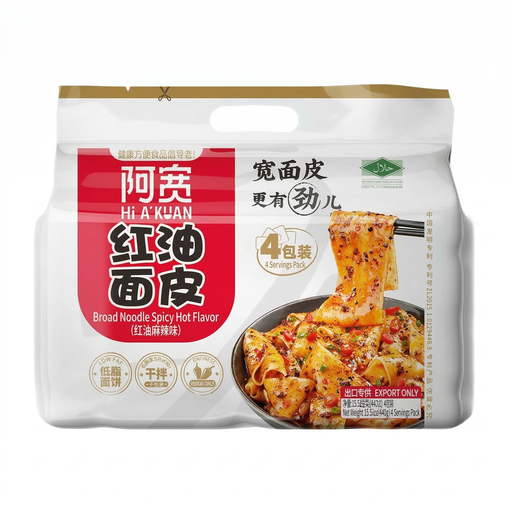
Why this product fits the profile: The 4-pack offers four individually portioned meals and is ideal for the store cupboard, a shared kitchen or quick lunch breaks.
The pack size and individual portions are clearly stated. The separate seasoning sauce makes it easy to add the chilli oil in controlled amounts.
Non-fried noodles, red oil sauce and a 4-pack totalling 440 g; preparation by boiling and then mixing.
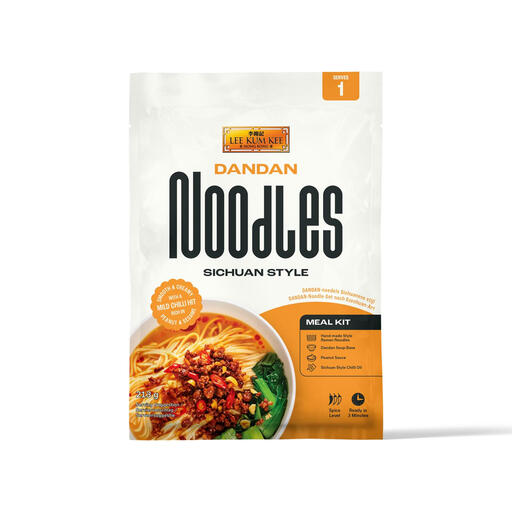
Why this product fits the profile: The separate components – Dan-Dan soup base, peanut butter and Sichuan pepper oil – appeal to users who want to build their own flavour profile.
The product explicitly lists the allergens it contains, such as peanuts, sesame, soya and wheat. The preparation steps are described separately.
Classic Dan-Dan combination with a 3-minute cooking time and 400 ml of water for the soup base; vegetables, tofu or egg can be added.
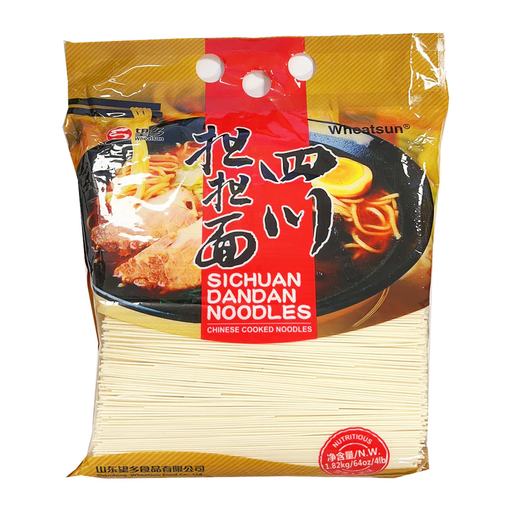
Why this product fits the profile: The bulk pack of 1.82 kg is aimed at households, regular users or those who want to put together their own Dan-Dan sauce.
The pack contains dry noodles without a ready-made sauce. This means you can independently choose the heat level, salt, sesame paste and toppings.
Wheat flour, water and salt listed as the basic ingredients; 4 to 6 minutes cooking time and versatile enough to combine with chilli oil, sesame paste or vegetables.
We've put together a full, regularly updated list of products that fully meet these strict selection criteria and the safety regulations in force in the EU.
For dry red oil noodles, the noodle block is usually boiled or covered with boiling water and then drained thoroughly. Only then are the sauce sachets added. With soup varieties, some of the cooking water stays in the bowl. Follow the instructions on the pack, as the amount of water and soaking time can vary.
Fresh ingredients can change the flavour and how filling the meal is:
That depends on the product and the amount of chilli oil you use. "Spicy", "red oil" or "Hot & Sour" suggest a hot profile, but they don't indicate a consistent level of heat. Check the ingredients list and be cautious with the oil the first time you prepare them.
The best-before date is on the packaging. Unopened products should be stored in a cool, dry place away from direct sunlight. Once opened or prepared, they should be eaten promptly.
Single cups or compact 100 g to 120 g packs are practical if you have access to a kettle. Products with separate sauce sachets give you more control over the heat and seasoning. Depending on the variety, you may also need a bowl or a way to drain the noodles.