
Same-day & Next-day Delivery

Quality Guaranteed

Unlock Your Welcome Offers: FREE Delivery | Up to 80% OFF | Free 30-day JoyPlus trial
Download the APP
Sichuan pepper oil brings the signature tingly, numbing note of Sichuan cuisine to noodles, dumplings, stir-fries and hotpot dips. But when choosing a bottle, there’s more to consider than eye-catching packaging. The ingredients, type of pepper, dosage, bottle size and intended use all matter.
If you’re looking for a Chinese seasoning oil, it’s also easy to confuse Sichuan pepper oil, Szechuan pepper oil, Hua Jiao oil and chilli oil. These products may look similar, but they can differ considerably in aroma, heat and ingredients.
A deep red oil often contains chilli, paprika or spice blends. That doesn’t necessarily mean it has a pronounced Sichuan pepper aroma. For the characteristic Hua Jiao effect, check that the ingredients list actually names Sichuan peppercorns, red peppercorns or green Sichuan peppercorns.
By contrast, pure or predominantly pepper-flavoured oil may look clear yellow, golden or slightly greenish. Colour alone is therefore not a reliable way to choose.
Chilli oil mainly adds heat, while Sichuan pepper oil brings its distinctive tingling, mildly numbing sensation. Liupo Spicy Oil, for example, is a hot seasoning oil containing chilli, sesame, peanuts and other ingredients. It works well with noodles, rice, dumplings and dips, but has a different profile from pure Sichuan pepper oil.
If you’d like to combine the two, use pepper oil for aroma and chilli oil for extra heat.
A large bottle isn’t automatically better value. Pepper oil is usually used sparingly, especially with cold noodles, salads or dumplings. If you only use it occasionally, an 80-ml bottle may be a better choice. If you regularly cook for several people, consider a 210 to 300 ml bottle.
After opening, store the oil in a cool, dry place away from direct sunlight, as indicated on the product. For some products, the guidance is to use the oil soon after opening or keep it refrigerated.
The peppercorn content can help you assess a product, but it isn’t the only factor that affects how intense it tastes. According to the product details, Yaomazi Sichuan Peppercorn Oil 250ml contains 40 % Sichuan peppercorns and rapeseed oil. Chuan Lao Hui Sichuan Peppercorn Oil 210ml lists a minimum Sichuan peppercorn content of 8 % and uses vegetable cooking oil.
Also check whether the oil contains chilli, soya, sesame, peanuts or additives. This is particularly important if you have allergies or need a neutral pepper aroma for a recipe.
Red Sichuan peppercorns are often associated with a bold, spicy aroma. Green Sichuan peppercorns, also known as rattan pepper, are often described in product listings as fresher and brighter in flavour. According to the product details, Chuan Lao Hui Vine Pepper Oil 300ml is made with green Sichuan peppercorns from Hongya and is suitable for cold dishes, Bobo chicken and hotpot dips, among other uses.
Green pepper oil can work well with fish dishes, cucumber salad or light noodle salads. Red pepper oil may pair better with the other seasonings in hearty braised dishes or classic Sichuan recipes.
Sichuan pepper oil is often used as a finishing oil. According to several product listings, it’s best added towards the end of cooking for stir-fries, hotpot, barbecue and fried dishes. This helps preserve the pepper’s aroma.
For cold noodles, salads, dumplings and dips, you can drizzle the oil straight over the dish. Start with a small amount, then adjust to suit your taste and how well you tolerate the tingling sensation.
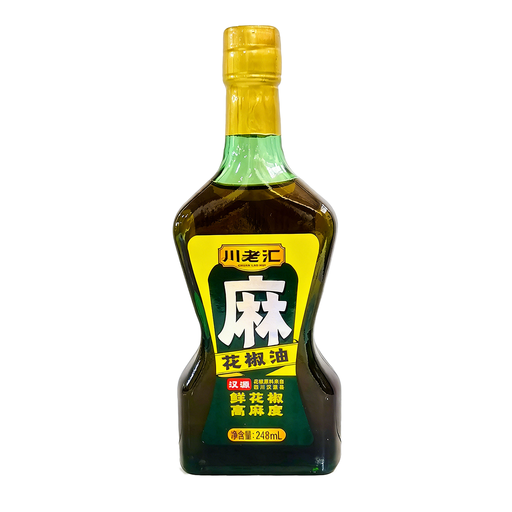
Why it suits this shopper profile: The medium-sized bottle is a good choice for households wanting to try Sichuan pepper oil in different dishes. According to the product details, it’s made with rapeseed oil and Sichuan peppercorns, and is ready to use.
The ingredients list is concise and clearly distinguishes this pepper oil from chilli oil with added heat and flavourings.
248 ml; suitable for cold dishes, stir-fries, hotpot and dips.
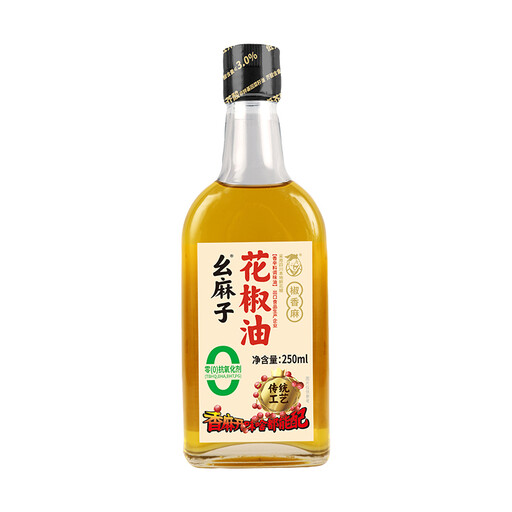
Why it suits this shopper profile: According to the product details, the oil contains rapeseed oil and 40 % Sichuan peppercorns. Its ingredients are clearly listed, and it’s designed to deliver a pronounced pepper aroma.
The ingredients list makes it easier to compare with oils that don’t state their peppercorn content. According to the product details, no TBHQ, BHA, BHT or PG antioxidants are added.
250 ml; ideal for salads, noodles and dips, or as a finishing touch for stir-fries and hotpot dishes.
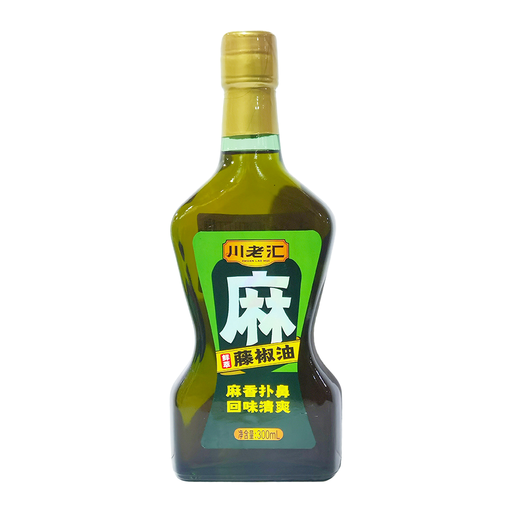
Why it suits this shopper profile: The 300-ml bottle is aimed at people who regularly cook Sichuan dishes, fish and cold meals, or prepare hotpot dips, and are specifically looking for a green pepper oil.
The product description specifically mentions green Sichuan peppercorns and a pale yellow-green colour, making it easier to tell apart from red chilli oil.
300 ml; according to the product details, suitable for fish dishes, Bobo chicken, cold dishes and hotpot dips.
We’ve put together a complete, regularly updated list of products that meet these strict selection criteria and fully comply with the safety regulations in force in the EU.
Sichuan pepper oil is made with Sichuan peppercorns and mainly delivers a tingling, mildly numbing aroma. Chilli oil uses chillies as its main flavouring and is generally designed to add more heat. Some Chinese seasoning oils combine both ingredients.
There’s no set amount, as the peppercorn content and intensity of the aroma vary. Start with a small amount for a portion of noodles or a dip, then add more to taste. Follow the dosage guidance on the packaging.
The use-by date is printed on the packaging. After opening, follow the manufacturer’s storage instructions and use the oil as soon as possible. Light, heat and a lid that isn’t fully closed can affect the quality of the product.