
Lieferung heute & morgen

Qualitätsgarantie

Willkommens-Angebote freischalten: KOSTENLOSE Lieferung | Bis zu 80 % RABATT | Kostenlose 30-Tage-JoyPlus-Testphase
App herunterladen
A side-by-side fridge freezer has separate compartments for chilled and frozen food, with plenty of storage space for its relatively small footprint. This makes it a practical choice for families and larger households. However, large dimensions, lots of features and bold advertising claims don’t automatically mean you’ve found the right model.
Manufacturers usually quote the total net capacity. For everyday use, though, what matters is how much space is actually available in the fridge and freezer compartments. A 550-litre model may have a different layout from a 520-litre one. So always check:
A large fridge freezer for families should offer more than just plenty of litres: its layout should suit your shopping habits, too.
A fridge freezer with a water and ice dispenser can be handy, but it needs looking after and takes up space. Check whether the appliance needs a mains water connection or has an integrated water tank. A tank makes installation easier, but it needs to be refilled and cleaned regularly. For ice makers, also consider the types of ice available, how often they need cleaning and how much interior space they take up.
Energy efficiency ratings range from A to G. For running costs, the annual electricity consumption in kilowatt hours is also important. The simple calculation is:
Annual consumption in kWh × your electricity price per kWh = estimated annual electricity costs
Door openings, room temperature, how full the fridge is and the temperature setting all affect actual consumption. An energy-efficient fridge freezer may cost less to run over time, even if it has a higher purchase price.
Side-by-side appliances are often around 90 to 92 cm wide and about 178 to 180 cm high. Before ordering, measure:
Even an appliance with a reversible door needs enough clearance to open fully. If you’re fitting it into a run of kitchen units, check that the doors can open all the way.
A No Frost fridge freezer manages the moisture produced during operation and prevents ice from building up in the freezer compartments. This means there’s no need to defrost it manually. The technology doesn’t replace regular cleaning of seals, shelves and water tanks, though.
A Multi-Airflow fridge freezer distributes cold air through several air channels. This can help keep temperatures more even. Even so, avoid placing food directly in front of air outlets, as delicate products may get too cold there.
Noise levels are given in dB(A). Models rated at around 35 to 37 dB are generally suitable for open-plan kitchens, although how loud they seem will depend on the room’s acoustics, the floor and the appliance’s operating cycle. A fridge freezer with an inverter compressor adjusts its output to match cooling needs. This can help it run more consistently and reduce fluctuations in noise.
As well as the noise level, check the annual consumption, energy rating and climate class. The climate class indicates the ambient temperature range the appliance is designed for.
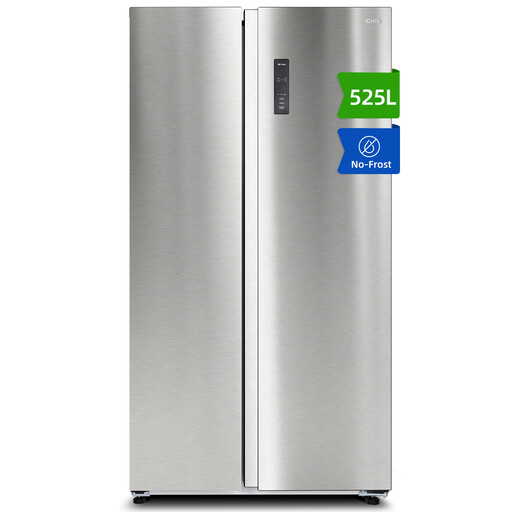
Why this product suits this household: This model combines 525 litres of total usable capacity with No Frost, Multi-Airflow and touch controls. It’s a good choice for households that need plenty of storage but don’t need a mains water connection.
The separate figures for the 333-litre fridge and 192-litre freezer make it easy to understand how the space is divided. Its stated noise level of 37 dB and inverter compressor also make it easier to assess for an open-plan kitchen.
525 litres of usable capacity, No Frost, Multi-Airflow and a reversible door; energy efficiency class E.
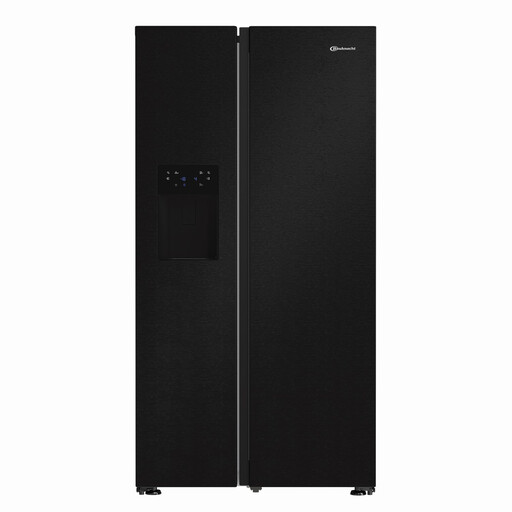
Why this product suits this household: This appliance offers 578 litres of usable capacity, separate cooling circuits and an integrated water and ice dispenser with a tank. Its features are designed for households that want to make regular use of added convenience.
The integrated water tank means there’s no need for a mains water connection. Separate cooling circuits and Total No Frost are clearly listed as specific technical features.
578 litres, energy efficiency class D, annual consumption of 269 kWh and operating noise of 37 dB.
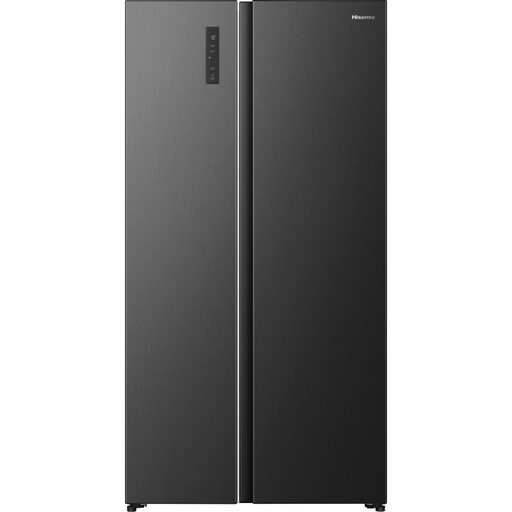
Why this product suits this household: With 544 litres of capacity, a noise level of 35 dB and annual consumption of 254 kWh, this model is designed for larger households and open-plan living spaces. Total No Frost and Multi-Airflow make everyday use easier.
The specifications list the noise level, annual consumption, fridge capacity and freezer capacity separately. This makes it easier to compare the appliance with other models on the facts.
35 dB, energy efficiency class D, 4-star freezer compartment, freezing capacity of 12 kg per 24 hours and 544 litres of usable capacity.
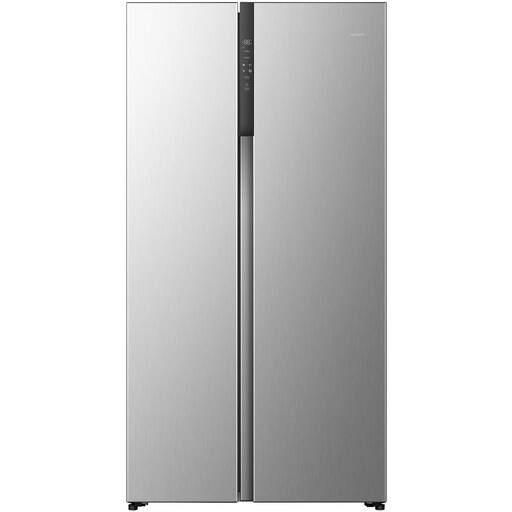
Why this product suits this household: This model combines 544 litres of usable capacity with energy efficiency class C, annual consumption of 204 kWh and a noise level of 37 dB. Several operating modes let you adjust it to suit different needs.
The annual consumption is clearly stated, so you can work out the cost using your own electricity tariff. No Frost also cuts down on the effort involved in manual defrosting.
Energy efficiency class C, 204 kWh per year, Total No Frost, Multi-Airflow and touch controls.
We’ve put together a complete, regularly updated list of products that meet these strict selection criteria and fully comply with the safety regulations in force in the EU.
Many appliances are around 90 to 92 cm wide and also need clearance for the doors to open, ventilation and safe installation. Check the route from your front door to the installation space, too. The exact minimum clearances are listed in the appliance’s installation instructions.
Its lifespan depends on factors such as how it’s used, where it’s installed, how well it’s maintained and the type of compressor. It wouldn’t be realistic to promise a set lifespan for every appliance. Clean the door seals and air channels regularly, along with the water tank if the appliance has a dispenser. If you notice unusual noises or a rise in temperature, contact customer service.
The key factors are annual consumption and your electricity tariff. Multiply the kilowatt hours shown on the energy label by your tariff. Compare appliances in the same size category, and bear in mind that frequent door openings, warm food and a high ambient temperature can all affect consumption.