
Lieferung heute & morgen

Qualitätsgarantie

Willkommens-Angebote freischalten: KOSTENLOSE Lieferung | Bis zu 80 % RABATT | Kostenlose 30-Tage-JoyPlus-Testphase
App herunterladen
A side-by-side fridge-freezer has separate fridge and freezer compartments, wide shelves and easy access to your groceries. That makes an American-style fridge a practical choice for families, frequent shoppers and modern kitchens. However, this design comes with a few common buying pitfalls: a large exterior doesn’t necessarily mean lots of usable storage, a water dispenser can mean extra cleaning, and a good energy rating alone tells you little about the actual annual running costs.
This buying guide explains which technical details to check before buying a side-by-side fridge-freezer, and which models suit different household needs.
Manufacturers and retailers often quote the total capacity. For everyday use, however, the separate capacities of the fridge and freezer compartments are what matter. A 544-litre model, for example, might have 347 litres of fridge space and 197 litres of freezer space. So check whether the split suits the way you shop.
If you often store fresh food, drinks and large containers, you’ll usually need more fridge space. If you buy lots of frozen food, wide freezer drawers and a good freezing capacity are more important than the overall litre figure.
A fridge-freezer with a water dispenser or ice dispenser can be especially flexible if you don’t have a mains water connection. However, you’ll need to refill and clean the built-in water tank regularly. If the appliance won’t be used for a while, don’t simply leave water sitting in the tank.
Also check whether the dispenser provides chilled water, ice cubes or crushed ice. A dispenser is only practical if the tank capacity, cleaning requirements and ice production suit your household.
EU energy efficiency ratings range from A to G. The stated annual consumption in kWh is also important for your running costs. Two appliances in the same energy class can have different consumption figures because their capacities and features vary.
A larger fridge-freezer with a dispenser, extra ice-making features or frequently used rapid-cooling functions may use more electricity. So compare energy rating, annual consumption and usable capacity together.
Many side-by-side models are about 91 centimetres wide and around 178 to 179 centimetres tall. Before ordering, measure more than just the width of the space. Also check:
Some models have reversible doors, while others need the door to open from a particular side. Descriptions such as ‘freestanding’ or ‘ElegantFit’ don’t replace checking that the appliance will fit your specific space.
A No Frost fridge-freezer uses automatic air circulation and defrosting to prevent ice building up in the fridge and freezer compartments. This means less manual maintenance. However, you’ll still need to clean the appliance regularly, keep the air vents clear and load it sensibly.
Multi-Airflow circulates cold air around the interior. Super Cool and Fast Freeze can be useful when you’re putting away a lot of fresh food at once. These programmes use more energy while running, so switch them off afterwards or let them reset automatically, as described in the user manual.
A quiet fridge-freezer is particularly important in an open-plan or kitchen-diner. The models featured here range from around 35 to 40 dB, depending on the version. Even a difference of a few decibels can be noticeable, so compare the official noise level and noise emission class.
An energy-efficient fridge-freezer should have not only a suitable energy rating but also a clear annual consumption figure. Your actual running costs will depend on your electricity tariff and how you use the appliance.
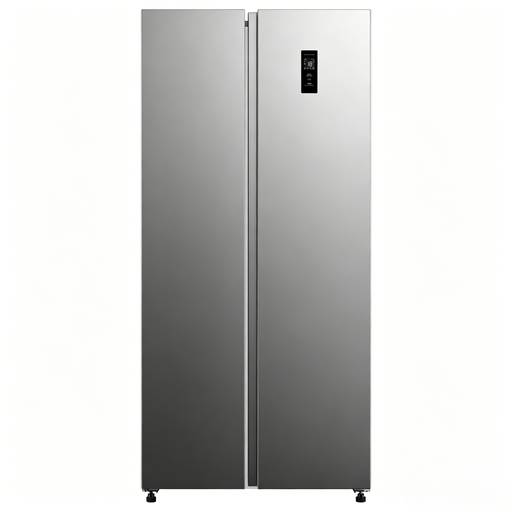
Why this model suits this household: It offers an accessible introduction to the side-by-side format, with 444 litres of total usable capacity and a noise level of 40 dB.
Total No Frost in both compartments reduces the need for manual defrosting; annual consumption is stated as 289 kWh.
LED interior lighting, rapid cooling, SN-T climate class and an operating noise level of 40 dB.
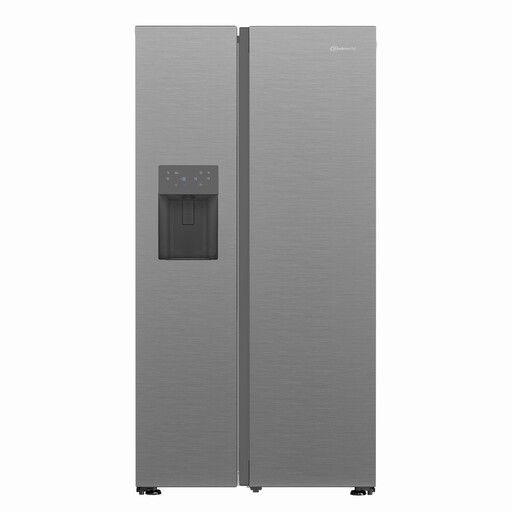
Why this model suits this household: With generous storage, separate cooling circuits and a built-in water and ice dispenser, this model is designed for households with high expectations.
The built-in water tank means you don’t need a mains water connection; Dual Cool Total No Frost keeps the fridge and freezer circuits separate.
578 litres, 37 dB, energy class D, Super Cool and Fast Freeze functions, plus two freezer compartments with a 4-star rating.
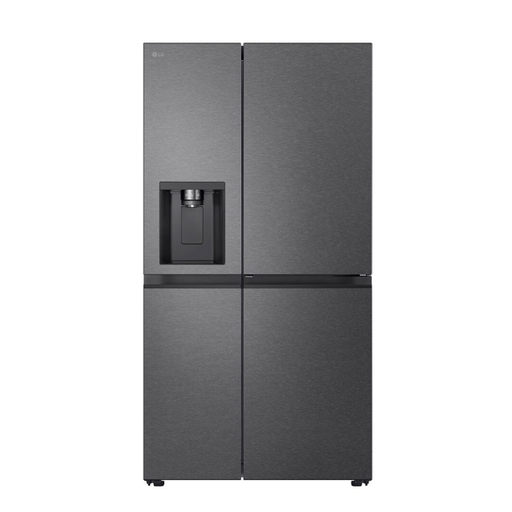
Why this model suits this household: Its generous capacity makes it a good fit for larger households, big weekly shops and storing plenty of drinks.
The 4-litre water tank means you don’t need a mains water connection. However, be sure to allow for the appliance’s 73.5 cm depth and door clearance before buying.
641 litres, 36 dB, No Frost, Multi-Airflow, plus water, ice cube and crushed ice dispensers.
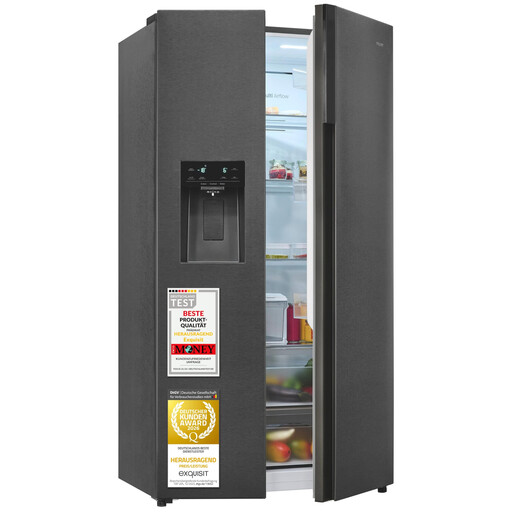
Why this model suits this household: It combines 528 litres of storage with energy class C and a built-in 4.5-litre water tank.
Annual consumption is stated as 199 kWh. No Frost works in both the fridge and freezer compartments, reducing the need for manual defrosting.
37 dB, Multi-Airflow, digital temperature control, and water, ice cube and crushed ice dispensers without a mains water connection.
We’ve put together a complete, regularly updated list of products that meet these strict selection criteria and fully comply with the safety regulations in force in the EU.
Many appliances are about 91 centimetres wide and 178 to 179 centimetres tall. You’ll also need to allow space for the doors to open, ventilation and delivery. Check the manufacturer’s stated depth with the door open before ordering.
Lifespan depends on the compressor, how the appliance is used, the ambient temperature, and how well it’s cared for and maintained. There’s no single lifespan that applies to every model. Regular cleaning, clear air vents and a stable, level position can help keep it running smoothly. For details of the warranty or spare parts availability, check the documentation for the product you’re considering.
Running costs depend mainly on annual consumption in kWh, your electricity tariff and the size of the appliance. So compare the consumption figures for the models directly. Features such as ice-making, a water dispenser and frequent rapid cooling can all affect day-to-day energy use.