
Lieferung heute & morgen

Qualitätsgarantie

Willkommens-Angebote freischalten: KOSTENLOSE Lieferung | Bis zu 80 % RABATT | Kostenlose 30-Tage-JoyPlus-Testphase
App herunterladen
A side-by-side refrigerator is often the centerpiece of a modern kitchen. It promises ample space, the convenience of an ice and water dispenser, and an attractive design. However, the selection is vast, and marketing promises can be misleading. Before you make a decision you might regret, it's crucial to understand the common pitfalls that often only become apparent after the purchase. This guide will help you separate the wheat from the chaff and find a model that truly fits your needs.
As your Joybuy Product Recommendation Officer, I filter the relevant information for you and show you what truly matters when making your choice.
Many buyers focus on the price or flashy features, overlooking crucial details that make a difference in daily use.
To avoid these pitfalls, focus on the following technical specifications. They determine whether an appliance will bring you long-term satisfaction.
The usable capacity is given in litres and should match your household size. A common rule of thumb is: 100 litres for one person, plus an additional 50 litres for each additional person. For a family of four, a total volume of around 250 litres is a good starting point. An American-style refrigerator often offers over 500 litres, making it ideal for bulk shopping and stocking up.
Measure precisely before you buy:
A large refrigerator runs 24 hours a day, so operating costs are a major factor. The EU energy label ranges from class A (very efficient) to G (less efficient). A class D appliance consumes significantly more electricity than a class B model. An inverter compressor adjusts its performance as needed, which not only saves energy but also makes the appliance quieter.
Noise is particularly crucial in open-plan kitchens. The sound emission is specified in decibels (dB).
Modern fridge-freezers offer more than just cold. Look for the following technologies that improve food preservation and convenience:
Instead of making a blanket recommendation, we have selected models that meet specific needs and cleverly avoid the pitfalls mentioned earlier.
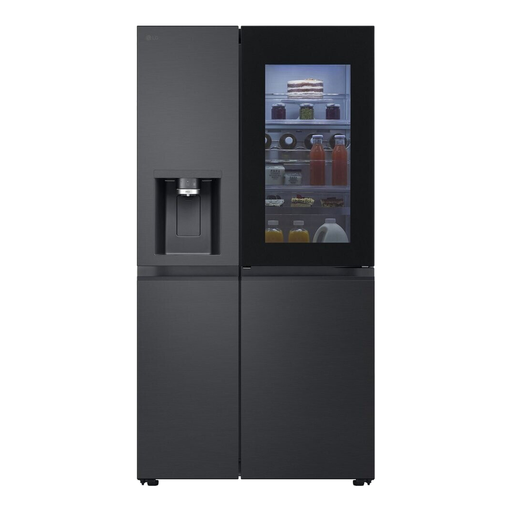
Why this model fits: Ideal for households that value smart features and that certain something extra. The InstaView function (knock to see inside), the Craft Ice Maker for spherical ice, and control via the ThinQ app offer modern convenience and a touch of everyday luxury.
The DoorCooling+ technology ensures fast, even cooling, including in the door area, and counteracts the drying out of food—an intelligent solution to the "No Frost" problem.
Very quiet operation at 35 dB; UVnano technology to disinfect the water dispenser; exclusive Craft Ice Maker.
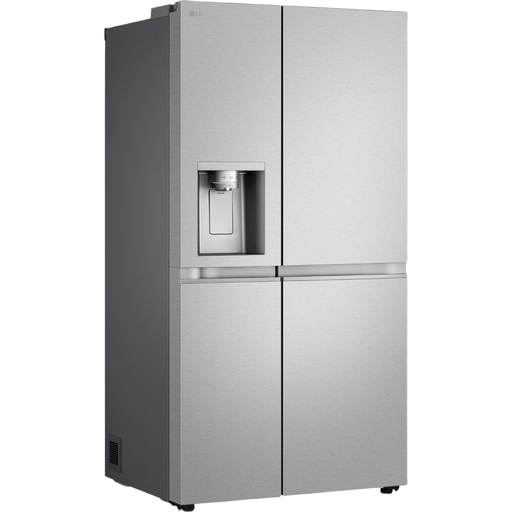
Why this model fits: For those who want to make a statement in their kitchen without compromising on efficiency and quietness. The elegant Metal Sorbet finish and extremely low operating noise make it the ideal choice for open-plan living concepts.
At just 32 dB(A), this appliance is exceptionally quiet, solving the problem of disruptive operating noise in open kitchens. The "Zero Clearance" doors allow for a flush-to-wall installation, bypassing the space trap.
Excellent energy efficiency class B with only 175 kWh annual consumption; extremely quiet operation; large capacity of 623 litres.
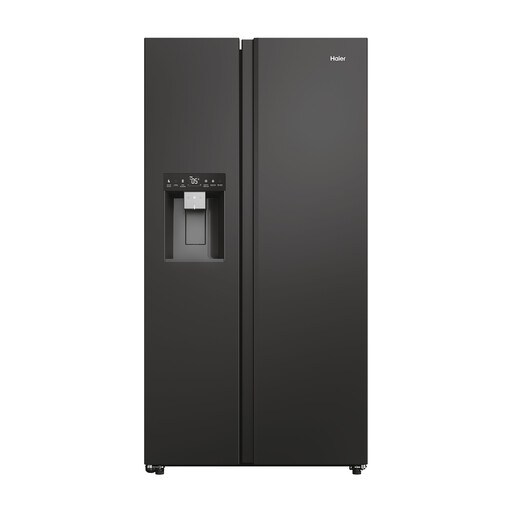
Why this model fits: Perfect for families and anyone who needs a lot of storage space and values a solid price-performance ratio. With 601 litres of usable capacity, this model offers enormous space for weekly shopping and supplies without skimping on core features.
The 90° Auto-Stop Hinge prevents the doors from hitting walls or furniture, elegantly solving the placement space trap. The model features a plumbed-in water connection, increasing convenience for frequent users of the dispenser.
Very large capacity of 601 litres; Total No Frost and Multi-Air-Flow system for reliable cooling; integrated water and ice dispenser with a plumbed-in connection.
A side-by-side refrigerator is a major purchase. If, after this comparison, you find that a different format might better suit your kitchen, we have compiled more options for you.
1. What is the difference between a side-by-side and a French door refrigerator? A classic side-by-side refrigerator has two full-length vertical doors: one for the fridge section and one for the freezer section. A French door refrigerator has two doors on top for a wide refrigeration area and one or more pull-out drawers below for the freezer. The choice is often a matter of personal preference and kitchen layout. French door models offer more space in the upper section for wide items like baking sheets or platters.
2. How much space does a side-by-side refrigerator really need? Beyond the appliance's dimensions (typically around 91 cm wide and 70 cm deep), plan for extra space. At least 5 cm of clearance is required at the sides and back for adequate ventilation. The crucial factor is the space for opening the doors: without special hinges, you'll need an additional 10–15 cm on each side to open the doors to 90 degrees and pull out the drawers.
3. Is a side-by-side refrigerator with an ice dispenser and a water tank worth it? A model with a water tank is a great choice if you value flexibility, don't have a nearby water line, or want to avoid installation costs. It offers the convenience of chilled water and ice cubes without any structural changes. The downside is the manual effort: the tank (usually 3–5 litres) must be refilled and cleaned regularly. For households that use the dispenser very frequently, a plumbed-in model may be more convenient in the long run.