
Lieferung heute & morgen

Qualitätsgarantie

Willkommens-Angebote freischalten: KOSTENLOSE Lieferung | Bis zu 80 % RABATT | Kostenlose 30-Tage-JoyPlus-Testphase
App herunterladen
A side-by-side refrigerator is more than just an appliance; it's often the centerpiece of the kitchen, especially for families and homeowners who value ample storage space and modern features. But the market is filled with marketing promises that often obscure more than they clarify. Before you make a decision, it's crucial to understand the common pitfalls that can lead to dissatisfaction and unnecessary expense.
As your Joybuy Product Recommendation Officer, I'll help you navigate these hurdles and make an informed choice based on facts, not advertising slogans.
Investing in a large double-door refrigerator is a significant expense. This makes it all the more important to avoid typical mistakes that can severely limit its everyday usability.
To find the right side-by-side fridge-freezer, you should focus on objective technical features. These three parameters are indispensable for longevity, efficiency, and convenience.
The compressor is the heart of your refrigerator. Conventional compressors operate on a simple on-off principle, which leads to temperature fluctuations and higher energy consumption.
An inverter compressor, on the other hand, continuously adjusts its power to the actual cooling demand.
As mentioned, Total No Frost is a must-have. This technology prevents ice build-up throughout the entire appliance, making manual defrosting obsolete. When combined with a Multi-Airflow system, cold air is distributed evenly across all levels.
A freestanding side-by-side refrigerator requires sufficient space. Measure not only the niche itself but also account for the necessary clearance from the wall for ventilation (usually 5–10 cm at the back and sides) and the space needed to fully open the doors.
Here are some recommendations tailored to specific needs that successfully avoid the common pitfalls mentioned.

Why this model is a great fit: Ideal for families who need a large net capacity (541 L) and modern core technologies without breaking the bank. It focuses on the essentials: reliable cooling and plenty of space.
The appliance features a Total No Frost system for both compartments and a Dual Inverter, which avoids the common noise and capacity traps. The focus is on high usable capacity.
Large 541-litre net capacity; quiet and efficient Dual Inverter operation; Multi-Air-Flow system for even cooling.
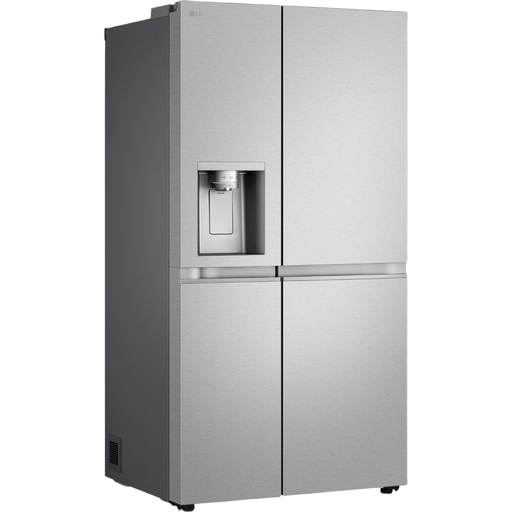
Why this model is a great fit: For users seeking top-tier energy efficiency (Class B), advanced freshness technologies, and very quiet operation. Perfect for modern, open-plan kitchens where design and performance count.
With an Energy Efficiency Class B rating and a noise level of just 32 dB(A), it sets the standard. Total No Frost and DoorCooling+ ensure superior and uniform cooling performance.
Outstanding energy efficiency (Class B); extremely quiet operation (32 dB); UVnano technology for hygienic water; DoorCooling+ for faster cooling.
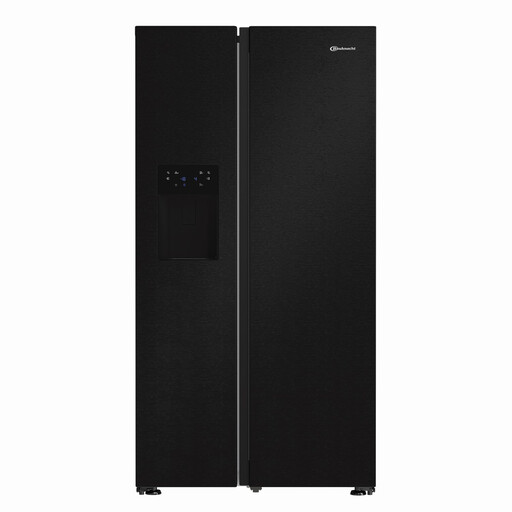
Why this model is a great fit: The perfect solution for anyone who wants the convenience of a water and ice dispenser but can't or doesn't want to install a fixed water line. The integrated water tank offers maximum placement flexibility.
It offers the ice dispenser feature without the structural limitation of a fixed water connection. Dual Cool Total NoFrost and a quiet inverter compressor (37 dB) are also included.
Water and ice dispenser with an integrated water tank (no plumbing required); Dual Cool Total NoFrost prevents odour transfer; ElegantFit design for flush installation.
We've compiled a complete, up-to-date list of products that fully meet these strict selection criteria and local safety regulations.
1. How much space does a side-by-side refrigerator really need? Beyond the appliance's dimensions (typically around 91 cm wide and 70 cm deep), plan for an additional 5-10 cm of clearance on the sides and at the back for adequate air circulation. Also, check if the doors can open wide enough to pull out drawers completely. Some models with special hinge designs require less space on the sides.
2. Is a plumbed connection always necessary for an ice dispenser? No. While many models require a fixed water connection, there is a growing number of appliances with an integrated, refillable water tank. These offer the same convenience for dispensing water, ice cubes, or crushed ice but allow for flexible placement of the refrigerator in the kitchen without needing any plumbing work.
3. What does "Total No Frost" mean and why is it important? "Total No Frost" is a cooling system that prevents the formation of ice and frost in both the freezer and the refrigerator compartments. A fan circulates dry, cold air evenly and wicks moisture to the outside. This saves you from manual defrosting, ensures consistent cooling performance, keeps food fresh longer, and lowers energy consumption because the compressor doesn't have to fight against a layer of ice.