
Lieferung heute & morgen

Qualitätsgarantie

Willkommens-Angebote freischalten: KOSTENLOSE Lieferung | Bis zu 80 % RABATT | Kostenlose 30-Tage-JoyPlus-Testphase
App herunterladen
A side-by-side refrigerator, often called an American-style refrigerator, is the ideal solution for many families and larger households. It offers generous storage space, a clear separation between the fridge and freezer sections, and often becomes the design centerpiece of modern kitchens. However, the selection process has several pitfalls that can lead to an unsuitable and expensive decision. As your Joybuy Product Recommendation Officer, I'll help you navigate these hurdles and find an appliance that is precisely tailored to your needs.
Manufacturers' marketing messages can be overwhelming. Let's focus on three common problems that buyers often only notice after the purchase.
1. The Water Connection Mistake: Plumbed vs. Non-Plumbed Models A side-by-side with an ice dispenser is a popular convenience feature. However, many buyers overlook the difference between models that require a direct water line (plumbed) and those with an integrated water tank (non-plumbed). A plumbed appliance needs a water connection near its installation spot. If one isn't available, complex and costly installation work is required. A non-plumbed refrigerator with a water dispenser offers maximum placement flexibility but requires regular manual refilling and cleaning of the tank. The wrong choice here inevitably leads to frustration or unexpected costs.
2. The "Total No Frost" Trap: Not All Systems Are Created EqualTotal No Frost technology, which eliminates the need for manual defrosting, is standard today. However, the quality of its implementation varies greatly. Basic systems can lead to dry air in the refrigerator compartment, which compromises the freshness of fruits and vegetables. Furthermore, inefficient air circulation systems can result in increased operating noise—a significant disturbance, especially in open-plan kitchens.
3. Misjudging Usable Capacity: When "Large" Doesn't Mean Practical The total volume listed in litres is only half the story. A large refrigerator can lose a considerable amount of usable storage space due to an impractical interior layout with fixed, non-adjustable shelves or bulky drawers. The crucial question is not just how much fits inside, but how flexible and accessible the available space is.
To avoid the pitfalls mentioned above, you should carefully examine three technical parameters. These form the basis for an informed purchasing decision.
The central component for performance and efficiency is the compressor. Here, the inverter compressor has established itself as the modern standard. Unlike conventional compressors that only switch on and off at full power, an inverter model continuously adjusts its speed to the actual cooling demand. The advantages are measurable:
Before you decide on a model, it is essential to measure the installation space precisely. Plan for sufficient ventilation space—typically 5-10 cm on the sides and back, and at least 10 cm above the appliance. Also, pay attention to the usable capacity, which is divided between the fridge and freezer sections. For a family of four, a total volume of 450 litres or more is often recommended. Check whether the layout suits your habits—do you need more space for fresh food or for frozen goods?
Since 2021, the new EU energy label with classes from A (very efficient) to G (less efficient) has been in effect. While the class itself provides good orientation, the decisive value for ongoing costs is the annual energy consumption in kilowatt-hours (kWh/year). An appliance with a better energy efficiency class and a modern inverter compressor can save significant electricity costs over its lifespan.
Instead of making a blanket recommendation, we have identified models that suit specific user profiles and take the aforementioned criteria into account.
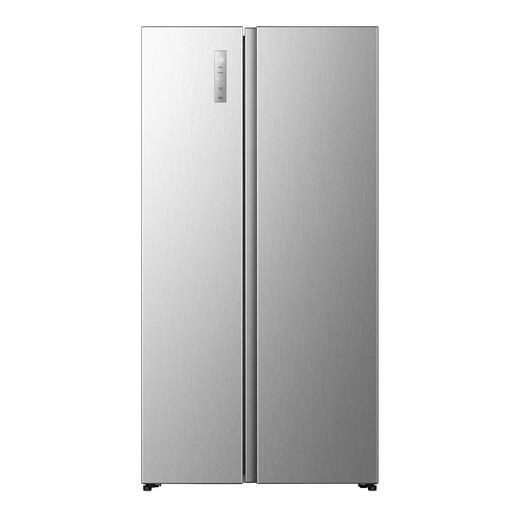
Why This Fits Their Persona: This model focuses on the essentials: a very large usable capacity of 544 litres and high energy efficiency. It's a pragmatic choice for families who need a lot of storage space and want to keep an eye on running costs.
By forgoing a water and ice dispenser, it completely bypasses the "water connection mistake." The focus is on efficient cooling performance and maximum, highly usable storage space.
A good energy efficiency class C and a quiet inverter compressor ensure low running costs. The Super-Cool function quickly chills newly added groceries.
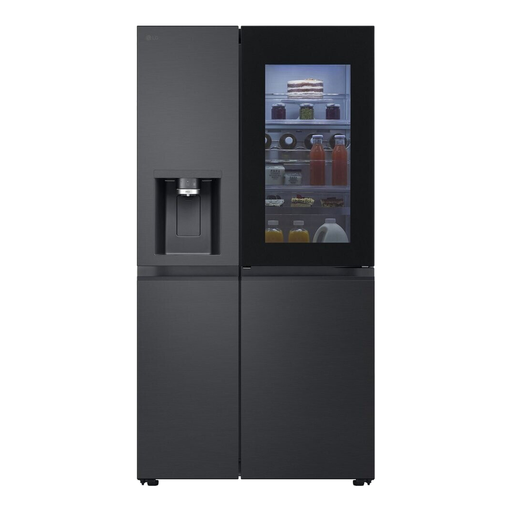
Why This Fits Their Persona: For anyone seeking a technological showpiece for their modern kitchen. With its InstaView door, Craft Ice Maker for spherical ice, and app control, this appliance is a statement piece in elegant black.
The advanced DoorCooling+ and Multi-Airflow system ensures very even cooling, sidestepping the "Total No Frost" trap by actively preserving food freshness.
InstaView technology reduces cold air loss. The Craft Ice Maker is a unique selling point. UVnano technology purifies the water dispenser outlet.
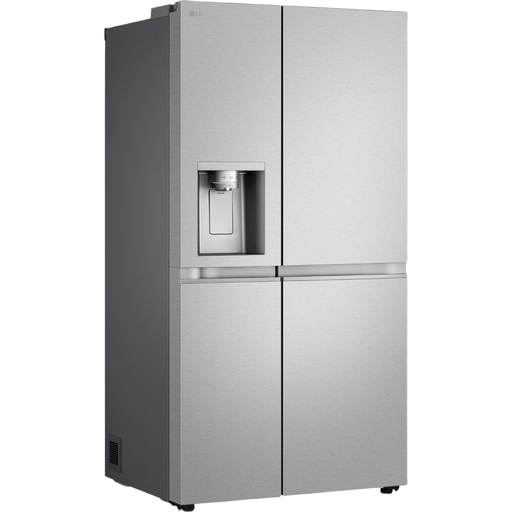
Why This Fits Their Persona: In an open-plan kitchen, a quiet appliance is crucial. With an operating noise level of just 32 dB(A) and an energy efficiency class of B, this model is an excellent choice for anyone who values peace and low energy costs.
The highly efficient Smart Inverter Compressor is not only economical but also extremely quiet. It directly addresses the noise issue that can arise with less advanced No-Frost systems.
Outstanding energy efficiency (Class B) and an extremely quiet operation at just 32 dB(A). The DoorCooling+ system ensures fast and even cooling.
We have compiled a complete, up-to-date list of products that fully meet these strict selection criteria and safety regulations.
As a rule of thumb, you should leave about 5 to 10 cm of free space on the sides and at the back, and at least 10 cm above the appliance for adequate air circulation. This prevents the compressor from overheating and ensures efficient operation. You can always find the exact dimensions in the manufacturer's installation manual.
Yes, especially if you want flexibility in choosing the installation location. You are not tied to an existing water line. The downside is the manual effort: the internal water tank must be regularly refilled and cleaned for hygiene reasons. For many users, however, the benefit of a straightforward installation outweighs this.
An inverter compressor is an advanced motor technology. Instead of just switching on and off, it continuously adjusts its speed to match the cooling demand. This results in a more stable internal temperature, lower energy consumption, and significantly quieter operation, as the loud start-up phases are eliminated.