
Lieferung heute & morgen

Qualitätsgarantie

Willkommens-Angebote freischalten: KOSTENLOSE Lieferung | Bis zu 80 % RABATT | Kostenlose 30-Tage-JoyPlus-Testphase
App herunterladen
A side-by-side refrigerator, often called an American-style refrigerator, is the epitome of convenience and modern kitchen design for many households. With generous storage space, practical ice dispensers, and an impressive presence, it seems like the ideal solution for families and anyone who likes to buy in bulk. However, the selection process has some pitfalls that can quickly turn a dream investment into an impractical energy guzzler. Before you make a decision, you should question the typical marketing promises and focus on the features that truly matter.
The 2 Most Common Pitfalls When Buying a Side-by-Side Refrigerator:
To make an informed decision based on facts rather than advertising slogans, you should check the following technical parameters. These determine the everyday usability and long-term running costs of your appliance.
The arrangement of the fridge and freezer sections has a major impact on how well the refrigerator fits your habits.
Pay attention to the net capacity and check whether the layout (number of shelves, drawers, door compartments) meets your storage needs.
Since 2021, a new EU energy label with classes from A (very efficient) to G (less efficient) has been in effect. A large freestanding refrigerator naturally consumes more energy. Therefore, compare not only the energy efficiency class but, more importantly, the annual energy consumption in kilowatt-hours (kWh) indicated on the label. An energy-efficient refrigerator with an inverter compressor dynamically adjusts its performance, which reduces power consumption and often ensures quieter operation.
For open-plan kitchens, a quiet refrigerator is essential. Pay attention to the decibel value declared on the energy label.
Modern appliances offer a range of convenience features.
Based on objective criteria, we have identified some models that represent a considered choice for different requirements and household types.
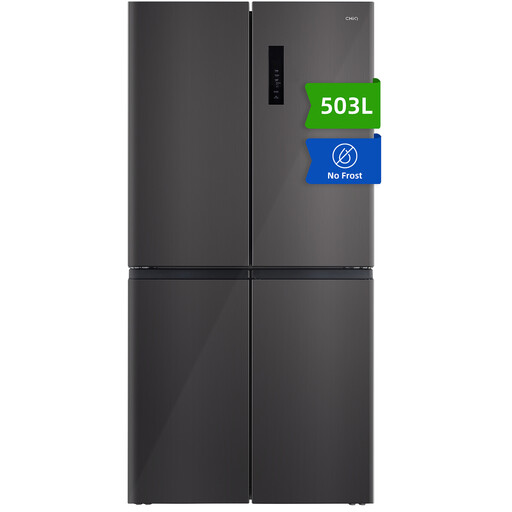
Why This Fits Their Persona: Ideal for households that need plenty of storage for the weekly shop and value a good price-performance ratio. The cross-door design offers flexible storage options for fresh and frozen foods.
This model bypasses the "Capacity Trap" with a thoughtful layout that makes its 503-litre net capacity highly usable. The inverter compressor helps keep running costs low.
Generous and flexible storage thanks to the cross-door design; Total No Frost technology and an energy-efficient inverter compressor.
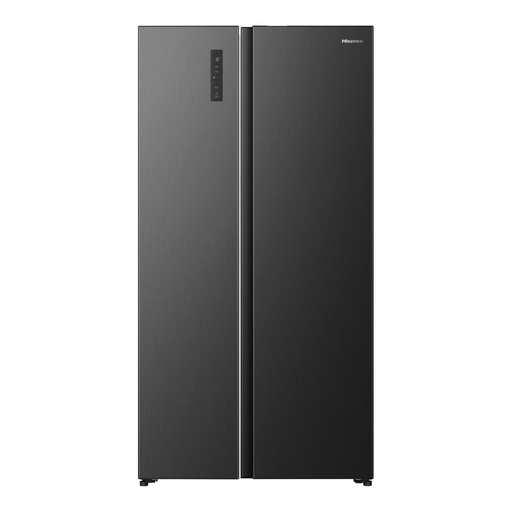
Why This Fits Their Persona: Perfect for modern, open-plan kitchens where design and a low operating noise are paramount. The elegant black refrigerator blends seamlessly into a stylish ambiance.
This model directly addresses the "Noise Surprise" with a verifiably quiet operation of just 35 dB. This is an objectively measurable value that ensures peace and quiet in the kitchen.
Very quiet operation (35 dB), a large 544-litre capacity, and a high-quality PureFlat design in black.
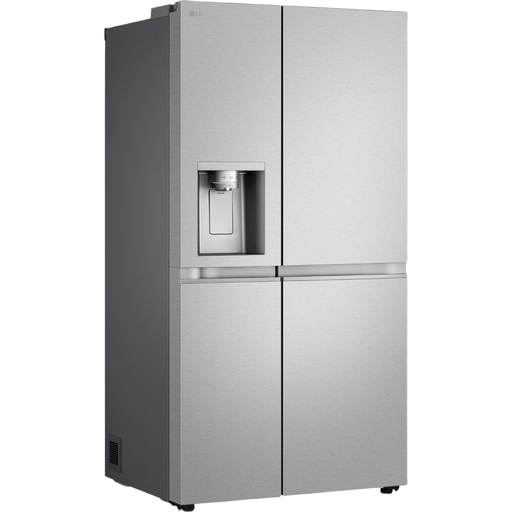
Why This Fits Their Persona: For users who refuse to compromise on technology, efficiency, and features. This appliance combines enormous volume with one of the highest energy efficiency classes and extremely quiet operation.
This model delivers verifiable top-tier performance: its Energy Efficiency Class B rating and an operating noise of just 32 dB are concrete facts that go far beyond vague marketing promises.
Outstanding energy efficiency (Class B), extremely quiet operation (32 dB), and advanced features like UVnano technology in the water dispenser.
We've compiled a complete, up-to-date list of products that fully meet these strict selection criteria and German safety regulations.
In a side-by-side model, the fridge and freezer sections are arranged vertically next to each other. This provides a good overview, but the compartments are relatively narrow. A French door refrigerator has a wide, double-door refrigeration area at the top and pull-out freezer drawers below. This makes it easier to store wide items like cake platters or pizza boxes in the fridge section.
No. There are two systems: models with a plumbed-in connection are connected directly to the water line and continuously produce ice and chilled water. Models with an internal water tank offer more flexibility in placement, as no water connection needs to be nearby. However, the tank must be refilled manually.
It is important to follow the manufacturer's specifications. As a general rule, you should leave about 5 cm of clearance on the sides and 5-10 cm at the back from the wall. This ensures adequate air circulation for the appliance to cool efficiently and prevents heat build-up, which would increase energy consumption.