
Lieferung heute & morgen

Qualitätsgarantie

Willkommens-Angebote freischalten: KOSTENLOSE Lieferung | Bis zu 80 % RABATT | Kostenlose 30-Tage-JoyPlus-Testphase
App herunterladen
A side table is often the unsung hero of furniture, an essential piece that adds both functionality and style to a room. Whether it's a convenient spot for the remote control, a showcase for a reading lamp, or a flexible workspace next to the sofa, its uses are diverse. In homes where every square inch counts, choosing the right model is crucial. This guide will help you understand the different options available and make an informed decision that perfectly suits your needs and interior design style.
Before you decide on a model, the following criteria will help you narrow down your search and maximise functionality.
The shape of a side table is closely linked to its function. A C-shaped sofa table, for example, can be slid directly over the seat of a sofa or armchair, making it an ideal surface for a laptop or a drink. Models with multiple tiers or integrated drawers offer valuable storage space and can serve as a compact small coffee table or a spacious nightstand. Meanwhile, round tables with removable trays offer flexibility, as they can be used for both display and serving.
The material significantly influences the table's appearance and durability. An industrial-style side table often combines a robust metal frame with an engineered wood top, blending seamlessly into modern and minimalist interiors. A pure wooden side table radiates warmth and natural charm, while a metal side table offers a clean, often delicate aesthetic. Be sure to choose a material that complements your existing furniture and is also easy to maintain.
Dimensions are critical for practical use. Ideally, the height of the side table should be level with or just below the armrest of your sofa or the top of your mattress. This ensures everything is within easy reach. Measure the available space carefully to ensure the table doesn't overcrowd the room while still providing adequate surface area.
Here, we present three models that stand out for their specific features and design, catering to a variety of needs.
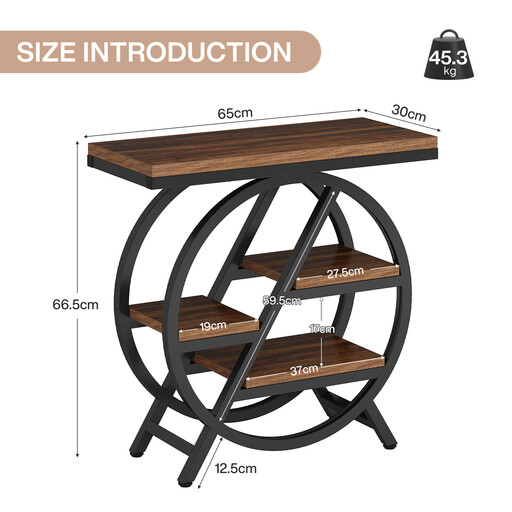
Why It Stands Out: This model maximises storage on a minimal footprint. The three tiers provide ample space for books, decorative items, or a lamp, helping to keep your living room or bedroom organised.
Pros:
Who is it for? For those looking for a functional living room table or nightstand with maximum storage who appreciate the urban, industrial look.

Why It Stands Out: The clever C-shape is this table's standout feature. It allows the base to slide under sofas, armchairs, or beds, so the tabletop hovers directly over your seat or mattress.
Pros:
Who is it for? For users who need maximum flexibility in a compact space and want a practical surface right by their seat.
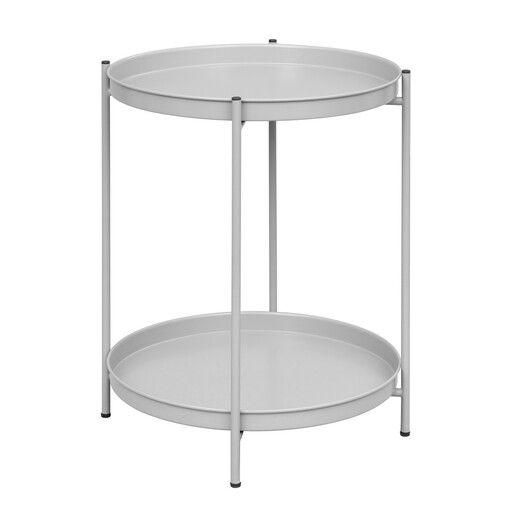
Why It Stands Out: The two removable trays transform this table into a multifunctional piece of furniture. They not only serve as surfaces but can also be used for serving drinks and snacks.
Pros:
Who is it for? For anyone who appreciates a flexible piece of furniture that serves as both a stylish side table and a practical helper when entertaining guests.
A living room table comes in countless shapes, sizes, and styles. If the models featured here don't quite match what you're looking for, you might find the perfect piece in our broader selection.
? Explore more models in the Living Room Sofa Tables category
1. What is the ideal height for a side table next to a sofa? A good rule of thumb is that the tabletop should be at the same height as, or a few centimetres below, your sofa's armrest. This allows for comfortable and ergonomic use without you having to stretch or bend over.
2. Can a side table be used as a nightstand? Yes, absolutely. A side table is an excellent alternative to a traditional nightstand, especially in smaller bedrooms. Models with additional storage, such as shelves or drawers, are particularly practical for stowing books, a charger, or reading glasses.
3. How do I care for a wood and metal side table? For daily cleaning, a soft, slightly damp cloth is usually sufficient. Avoid aggressive cleaning agents, as they can damage the surfaces. For metal parts, it's important to wipe them dry after damp cleaning to prevent rust. With engineered wood surfaces, be careful not to place hot objects directly on them and wipe up spills immediately.