
Lieferung heute & morgen

Qualitätsgarantie

Willkommens-Angebote freischalten: KOSTENLOSE Lieferung | Bis zu 80 % RABATT | Kostenlose 30-Tage-JoyPlus-Testphase
App herunterladen
A sideboard is more than just storage—it's a central piece that significantly defines a room's style. But the search for the perfect piece can quickly become overwhelming. Between tempting product images and marketing promises, pitfalls often lurk that only become apparent after purchase: wobbly construction, low-quality surfaces, or an impractical layout. As your Joybuy Product Recommendation Officer, I'll help you navigate these common mistakes and make an informed decision.
Before we dive into the key features, let's look at the most common reasons for a bad purchase. Avoiding these pitfalls means investing in a piece of furniture that not only looks good but also performs well in daily life.
To avoid these pitfalls, you should carefully examine a few core features before buying a credenza or buffet. These objective criteria will help you realistically assess a product's quality.
The choice of material directly impacts stability, durability, and maintenance.
A sideboard must not only look good, but it must also be functional. The right size and style are crucial for a harmonious overall look.
To make your decision easier, we've selected a few models that cater to different needs and style preferences.
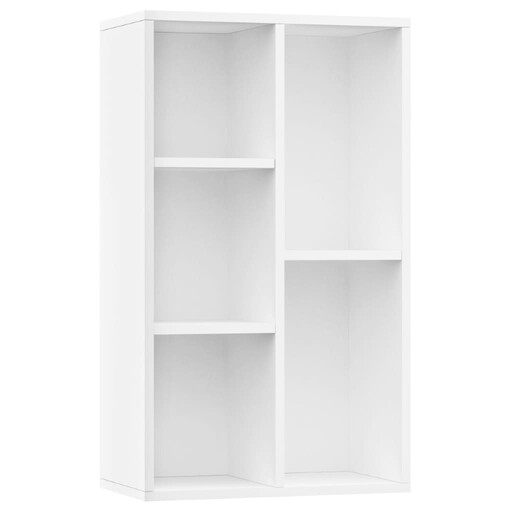
Why it's a great fit: Ideal for smaller apartments or as a flexible addition. The simple, white design blends seamlessly into various decor styles, and its compact dimensions make optimal use of space.
It avoids the impractical layout trap with its open and convertible design. It is exactly what it claims to be: simple, functional storage with no hidden flaws.
Its extreme versatility: It can be used vertically as a bookcase or horizontally as a lowboard or console table.
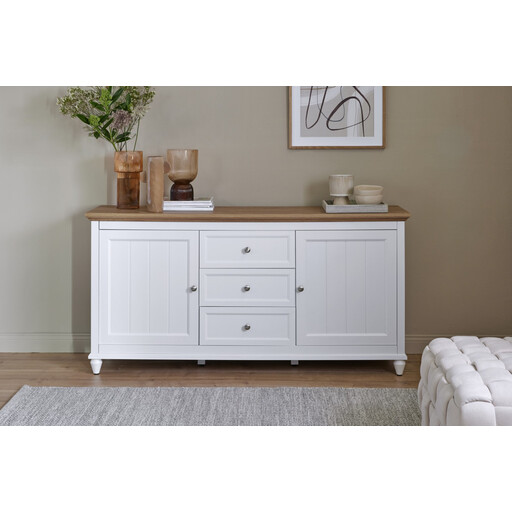
Why it's a great fit: Perfect for anyone looking to create a cozy Vintage or Farmhouse style atmosphere. It offers ample storage for a dining or living room with its doors and drawers.
It counters the low-quality feel pitfall with details like soft-close drawers and extra-thick material. These features indicate a higher functional quality that goes beyond mere aesthetics.
The combination of a rustic look and modern features like soft-close drawers and a practical cable cutout on the back.
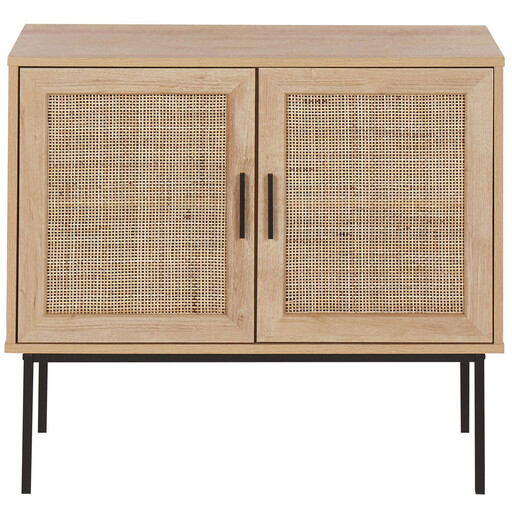
Why it's a great fit: This sideboard is a statement piece for the Boho style. The rattan-weave fronts and light wood look bring a natural feel and texture to the room.
It escapes the cheap surface trap by using real rattan. This natural material offers a tactile quality and look that simple foil cannot replicate.
The trendy design with natural materials creates a warm, inviting atmosphere and serves as a decorative focal point.
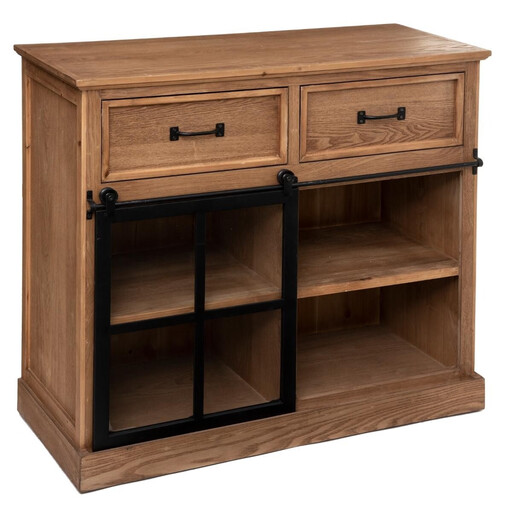
Why it's a great fit: The mix of fir wood, tempered glass, and a workshop-style sliding door embodies the Industrial Design. It's a characterful piece of furniture with a robust appeal.
It avoids the unstable construction pitfall by using solid fir and pine wood in its frame. The specified maximum load capacity of 75 kg underscores its sturdy build.
The authentic material mix of wood, glass, and steel provides a distinctive look and high load capacity that impresses both visually and functionally.
We've curated a comprehensive selection of models that meet our criteria for material, function, and design.
The terms are often used interchangeably today. Traditionally, a credenza is a piece of furniture with only drawers. A buffet is typically found in the dining room and is used for serving food and storing dinnerware. A sideboard is generally a long, mid-height cabinet. In modern interior design language, "sideboard" has become a versatile umbrella term for all these types of furniture.
The ideal height depends on the room and its function. A lowboard under a television is usually only 40-50 cm high. A classic living room credenza is often aligned with the height of a sofa's armrests (approx. 60-75 cm). A dining room sideboard is slightly taller, around 80-90 cm, to allow for comfortable access to dishes or platters while standing.
Wall anchoring is an important safety measure, especially in households with children, to prevent tipping. Always use wall plugs (anchors) and screws that are appropriate for your wall type (e.g., drywall, brick, concrete). These often need to be purchased separately. Be sure to follow the manufacturer's assembly instructions and, if in doubt, consult a professional.