
Lieferung heute & morgen

Qualitätsgarantie

Willkommens-Angebote freischalten: KOSTENLOSE Lieferung | Bis zu 80 % RABATT | Kostenlose 30-Tage-JoyPlus-Testphase
App herunterladen
The selection of Siku model cars is vast, having fascinated generations of children and collectors alike. However, this very diversity can make the decision-making process difficult. Whether it's a gift for a child or a new piece for your own collection, disappointment is immense when the model car fails to meet expectations. Certain common pitfalls repeatedly lead to poor purchases.
A frequent issue is material quality. The description might promise a robust metal car, but upon arrival, it turns out to be a lightweight plastic model with only a few metal parts, unable to withstand the rigours of daily play. Another pitfall is the level of detail. Product photos can be deceptive, suggesting features like opening doors or a high-quality paint finish that are either missing or poorly executed in reality. This diminishes the value for collectors and the play experience for children.
This guide will help you navigate these problems. It highlights the objective criteria that truly matter in finding a durable and detailed Siku vehicle that will bring lasting joy.
To make an informed decision, you should not be swayed by marketing promises but focus on verifiable product characteristics. Three core parameters are of particular importance.
The durability of a model car depends significantly on its construction. Robust toy cars made of metal have a clear advantage here. Siku typically uses die-cast zinc for the bodies of its vehicles. This process ensures a satisfying weight, high stability, and a resilient surface. Pay close attention to the product description: a high proportion of metal is a clear indicator of quality and durability. Plastic is used for details such as interiors, windows, or attachments where flexibility and fine moulding are required. A good model is distinguished by a well-considered balance of these two materials.
For both collectors and children, the details are crucial. Instead of relying on general descriptions, check for specific features:
These functional details distinguish a high-quality Siku toy car from a basic model.
The scale indicates the size ratio of the model to the original vehicle. Siku offers various scales suited for different purposes:
Before purchasing, you should verify that the scale of the chosen model fits with an existing collection or play system to ensure compatibility.
To simplify your search, we have selected a few Siku cars based on the aforementioned criteria, tailored to different user profiles.
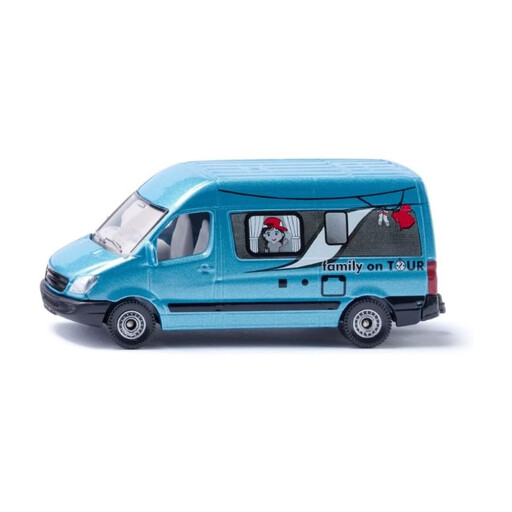
Why it's a great fit: Ideal for children who love imaginative stories. The "family holiday" theme encourages creative role-playing, and its compact size makes it the perfect travel companion.
The robust metal body ensures stability and longevity in the playroom, withstanding intensive play unlike models made from thin plastic.
Good rolling properties thanks to plastic tyres and versatile compatibility within the SIKU play world.

Why it's a great fit: For car enthusiasts who value authenticity. The model captures the racing DNA of the original and is suitable for both play and display.
The attention to detail does not disappoint: functional doors, a distinctive rear spoiler, and the wide body are true to the original, meeting the expectations for a collector's model.
The combination of a metal body and plastic parts provides a realistic feel and high durability.
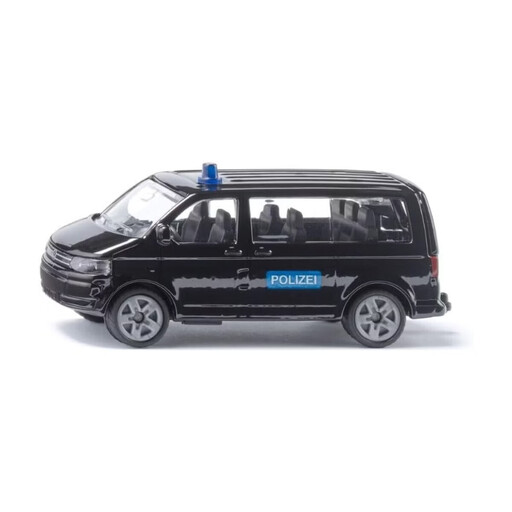
Why it's a great fit: Perfect for action-packed role-playing. The authentic design of a Siku Police vehicle inspires children to create exciting missions and fosters creativity.
The opening rear hatch is a real function, not just a decorative element. The robust construction ensures the model can withstand even the wildest car chases.
A detailed replica including a roof light bar and a solid build from metal and plastic for long-lasting play.
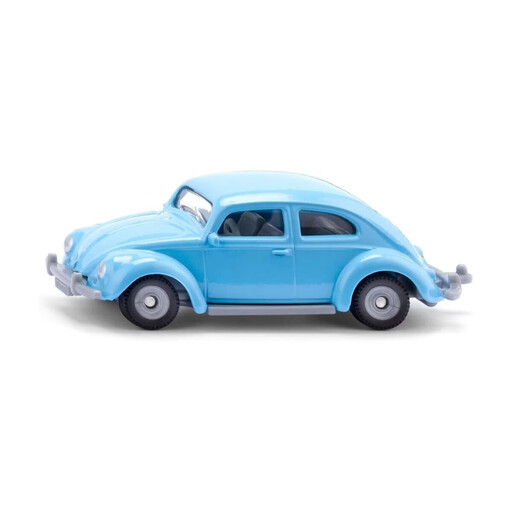
Why it's a great fit: A piece of automotive history for the display case or playroom. The Siku VW Beetle evokes nostalgic feelings in adults and delights children with its timeless design.
The iconic, rounded shapes of the original are precisely reproduced. The solid metal body prevents the disappointment of a cheap-looking imitation.
High-quality rubber tyres ensure good rolling performance, and the robust construction makes the model a durable toy and collector's item.
We have compiled a complete, up-to-date list of products that fully meet these strict selection criteria and all applicable safety regulations.
Most Siku vehicles are made from a combination of materials. The body is typically crafted from die-cast zinc, which gives the models their stability and characteristic weight. Attachments, windows, and the interior are made of high-quality plastic to accurately represent fine details.
The recommended age for most standard Siku models is 3 years and older. This is due to small parts that could pose a choking hazard for younger children. It is important to always observe the specific warning labels on the product packaging.
Compatibility depends on the scale of the respective model. Siku cars are produced in various scales. Vehicles within the same series (e.g., SIKU SUPER) and of the same scale are generally compatible with one another. If you plan to use the models with play systems like SIKU WORLD, you should specifically look for vehicles in the appropriate scale to ensure seamless integration.