
Lieferung heute & morgen

Qualitätsgarantie

Willkommens-Angebote freischalten: KOSTENLOSE Lieferung | Bis zu 80 % RABATT | Kostenlose 30-Tage-JoyPlus-Testphase
App herunterladen
Finding the right Siku model car can be a challenge for gift-givers and collectors alike. Whether it's intended as a sturdy toy for children or a highly detailed collector's item, expectations are high. However, not every model meets the standards for durability and detail. Vague product descriptions or overlooked details often lead to the wrong choice. This guide will help you identify the crucial features and make an informed decision.
Before making a selection, it's helpful to understand the typical issues that can diminish a model's value.
To avoid these pitfalls, you should focus on three key aspects. These define the quality and utility of a Siku vehicle.
A high-quality Siku model car is distinguished by a body made of die-cast zinc. This process ensures high stability, a satisfying weight, and a robust feel. Attachments such as the chassis, interior, or mirrors are often made of plastic to render fine details. The ratio of metal to plastic is crucial here. A high metal content is generally an indicator of longevity, especially if the model is intended as a gift for children aged 3 and up.
Siku offers models in various scales. Common ones include:
For model cars for collecting, adhering to a uniform scale is essential. For a play world, it's important that vehicles belong to the same series to ensure compatibility with accessories like trailers.
A model's appeal increases with its functions. Look for features such as:
To make your decision easier, we have matched some Siku cars to different user profiles.

Why this model is a great fit: This model combines an iconic racing design with a robust construction that can withstand fast laps around the playroom. It is ideal for children fascinated by high-performance sports cars.
The metal body provides stability, while the opening doors enhance play value, avoiding the pitfall of lacking functionality.
The combination of a metal body and plastic parts offers a high degree of detail and robustness for long-lasting fun.
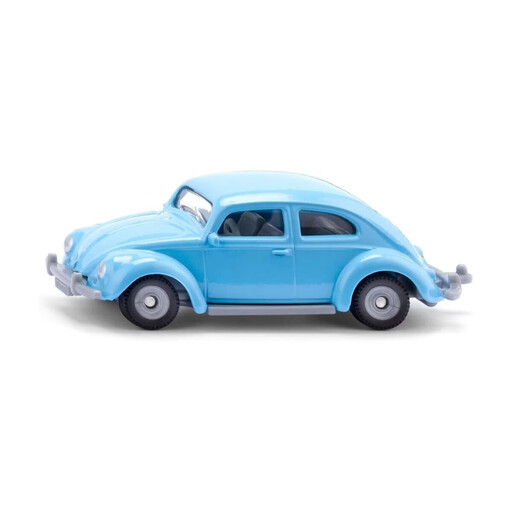
Why this model is a great fit: The VW Beetle is a legend. This model faithfully captures its iconic shape, making it an ideal decorative piece or a nostalgic addition to any collection of classic cars.
The sturdy metal body and rubber tyres bypass the material trap, ensuring a premium look and feel that meets collectors' expectations.
The detailed reproduction of the classic, rounded shapes makes this model an authentic collector's item with high recognition value.
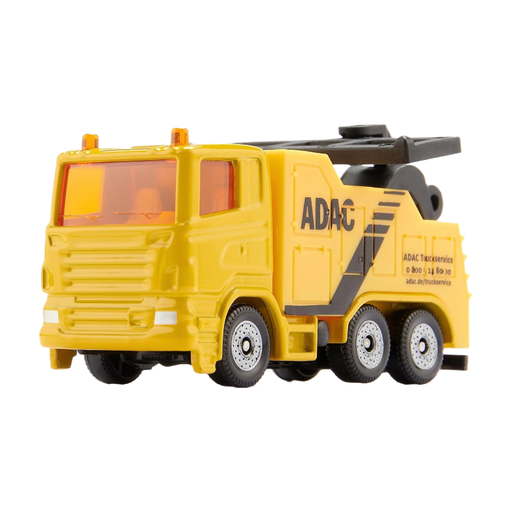
Why this model is a great fit: For children who love rescue missions and commercial vehicles, this ADAC tow truck is perfect. It allows them to re-enact realistic scenarios and encourages creativity.
The movable towing mechanism is a key functional detail that maximises play value and prevents disappointment over a purely static model.
The robust metal construction and three-axle chassis ensure high durability, even during intensive use in the playroom or sandbox.
We've compiled a complete, up-to-date list of products that fully meet these strict selection criteria and German safety regulations.
Most Siku models are recommended for children aged 3 and up. This is because they may contain small parts that pose a choking hazard to younger children. It is important to always check the specific age recommendation and warning labels on the product packaging.
No, Siku cars typically consist of a combination of materials. The body is usually made using the die-cast zinc method, which provides stability and weight. Attachments like mirrors, spoilers, interiors, or chassis are often made of high-quality plastic to allow for a greater level of detail.
Compatibility depends on the scale and the specific product series. Vehicles within the same series (e.g., SIKU SUPER or SIKU FARMER 1:32) are generally designed to be combined, especially regarding trailers and accessories. For a visually coherent collection or play world, it is advisable to choose models with a uniform scale.