
Lieferung heute & morgen

Qualitätsgarantie

Willkommens-Angebote freischalten: KOSTENLOSE Lieferung | Bis zu 80 % RABATT | Kostenlose 30-Tage-JoyPlus-Testphase
App herunterladen
By Joybuy Product Recommendation Officer, July 28, 2026
A silicone baking mold promises a small revolution in the home bakery: no sticking, effortless cake release, and uncomplicated cleanup. In practice, however, many of these supposed helpers turn out to be a source of frustration. Before you invest, it's important to know the typical pitfalls that often lurk behind glossy product images.
Many buyers report similar problems: flimsy molds that give way under the weight of the batter, an unpleasant chemical smell when heated, or baking results that are far from the promised perfection. These defects can often be traced back to three fundamental flaws in product design and material:
An informed purchase based on objective criteria will protect you from these disappointments and ensure that your bakeware becomes a durable and reliable tool.
To separate the wheat from the chaff, you shouldn't be guided by marketing promises, but rather focus on verifiable product features. Three core parameters are non-negotiable.
The most important characteristic is the composition of the silicone. Look for products that are explicitly declared as food-grade. High-quality molds are often made of platinum-cured silicone, which is produced without the use of cheaper catalysts and is considered particularly pure, odorless, and tasteless. A good mold is free of BPA, BPS, and other plasticizers. This not only guarantees safety but also ensures that the mold is reusable without losing its material properties or absorbing odors over time.
A good silicone baking mold must do both: it needs to be flexible enough for the finished cake to be easily released, yet stable enough to maintain its shape under the weight of the batter. A certain wall thickness and, where applicable, a reinforced rim are indicators of a well-thought-out design. This is particularly relevant for larger molds like a loaf pan or a round cake pan.
The non-stick property should be an inherent feature of the material, not achieved through an additional coating that could wear off. Check the specified temperature range. A versatile mold should withstand temperatures from approximately -40°C to +230°C (-40°F to +446°F) to be suitable for both baking in the oven and for frozen desserts. Another crucial convenience factor is whether the mold is dishwasher-safe. This significantly simplifies cleanup, especially after using sticky batters or glazes.
Instead of making a blanket recommendation, we have identified products that are tailored to specific requirement profiles and baking projects.
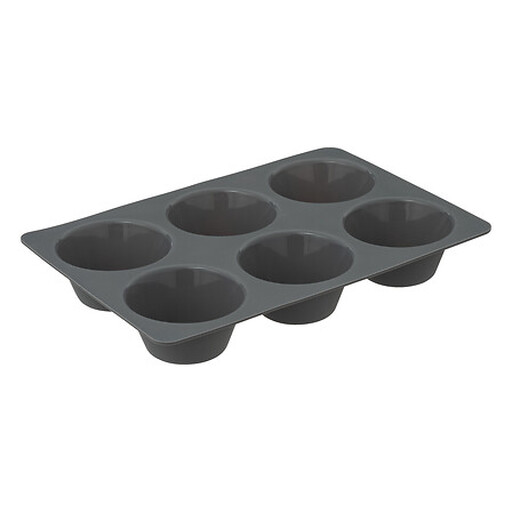
Why This Fits Their Persona: Ideal for batch baking for the family or for meal prep. This silicone muffin pan allows you to make 12 muffins or cupcakes in one go, saving time. Its easy handling is perfect for baking with kids.
The structure with multiple cavities gives the entire mold high inherent stability. It won't deform when filled and can be safely transported to the oven without collapsing.
The natural non-stick property of the silicone makes paper liners unnecessary, and the mold is also dishwasher-safe, which makes post-baking cleanup as easy as possible.
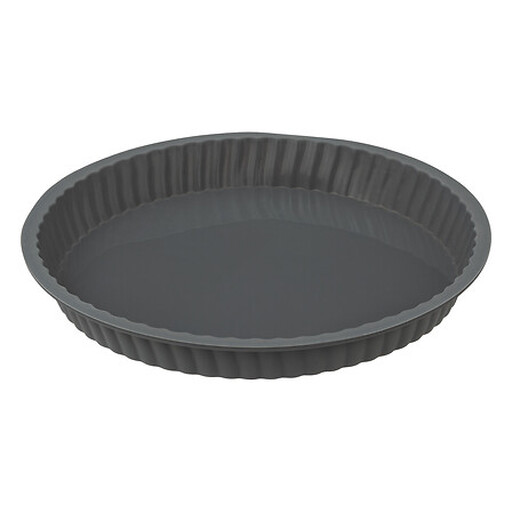
Why This Fits Their Persona: For bakers who value precise results with delicate pastries like tarts or quiches. This tart pan is specifically designed for a crispy base and clean edges, where every detail counts.
The material is designed for even heat distribution, which counteracts the problem of a soggy bottom with overly dark edges. The mold ensures a consistent baking result.
The high flexibility allows the mold to be "peeled away" from the delicate shortcrust edge without it breaking. The result is flawless, professional-looking tarts.
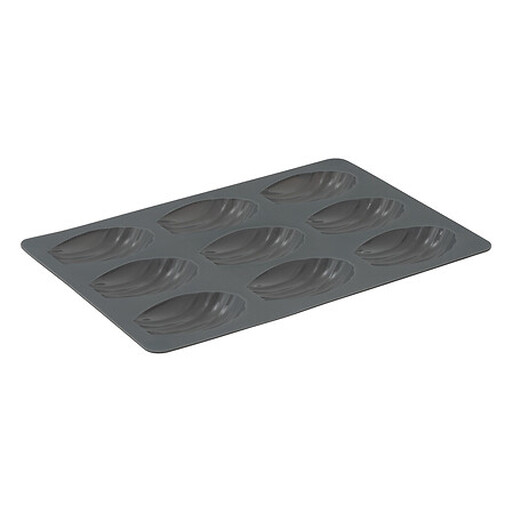
Why This Fits Their Persona: For anyone who wants to try their hand at classic French pastries. This special madeleine mold is essential for creating the authentic shell shape with the fine ridges that are characteristic of this pastry.
Unlike generic cavity molds, the cavities here are precisely shaped to promote the typical texture and "belly" of the madeleines. The lightweight material ensures the necessary rapid heat distribution.
The high flexibility of the silicone allows for easy release of the delicate little cakes without damaging the fine ridges. Also suitable for making chocolates or ice cream.
We have compiled a complete, up-to-date list of products that fully meet these strict selection criteria and safety regulations.
For the first use, it is often recommended to lightly grease the mold with oil or butter. With high-quality silicone molds, this is usually no longer necessary for subsequent uses, as the natural non-stick properties are sufficient. However, for very sugary or low-fat batters, a light greasing can still help ensure a perfect result.
Most silicone molds are dishwasher-safe and can simply be cleaned in the top rack of the dishwasher. For hand washing, warm water and a mild dish soap are sufficient. Avoid abrasive sponges or aggressive cleaning agents, as these can damage the surface. If a sticky film develops over time, the mold can be soaked for about an hour in hot water with a little dish soap.
A simple indicator is the "pinch test": twist or pinch the silicone in one spot. If the color changes and white lines become visible, this indicates the use of fillers. Pure, high-quality silicone retains its color. Also, look for an appropriate material thickness, a stable rim, and labeling such as "food-grade" or "BPA-free".