
Lieferung heute & morgen

Qualitätsgarantie

Willkommens-Angebote freischalten: KOSTENLOSE Lieferung | Bis zu 80 % RABATT | Kostenlose 30-Tage-JoyPlus-Testphase
App herunterladen
As your Joybuy Product Recommendation Officer, I filter relevant market information and offer guidance for purchasing baking accessories. A good silicone baking mold can simplify your baking process, but the market is flooded with products of widely varying quality. This guide will show you what to look for to make an informed decision.
Many home bakers invest in silicone molds only to be disappointed shortly after. This is often due to three common flaws that aren't obvious at first glance.
To avoid the issues mentioned above, you should check three core parameters before buying. These define the functionality and safety of your bakeware.
The deciding factor is the use of 100% food-grade silicone, often referred to as platinum silicone. This material is free of plasticizers, fillers, and BPA. It is odorless and tasteless and does not release any harmful substances into your food, even at high temperatures. Look for products that explicitly declare their material composition and pass the pinch test without turning white.
A high-quality silicone baking mold should cover a wide temperature range, typically from -40°C to +230°C. This versatility allows not only for baking in the oven but also for use in the microwave and freezer for desserts or ice cream. This feature makes silicone bakeware a multifunctional tool in the kitchen.
Ease of use is essential. Look for molds with reinforced rims or integrated handles. Some models, like certain loaf pans, even have an internal steel frame that ensures maximum stability. At the same time, the mold must be flexible enough to release the finished baked goods easily. A good non-stick surface makes excessive greasing unnecessary. Furthermore, being dishwasher-safe is an important convenience factor that significantly simplifies cleaning.
Instead of a one-size-fits-all recommendation, we present various products tailored to specific user profiles.
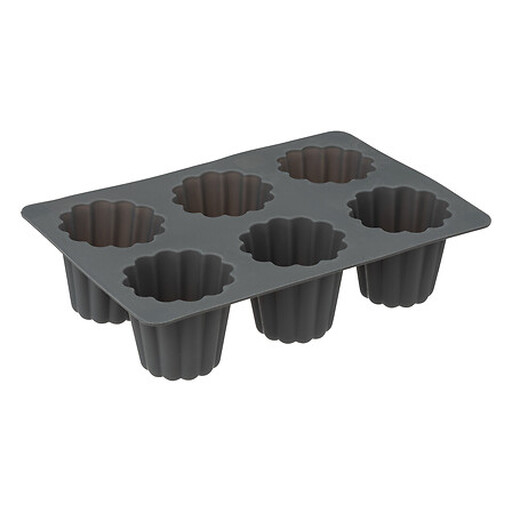
Why it's a great fit: Ideal for bakers tackling challenging French pastries like cannelés. The mold's shape is crucial for achieving the signature caramelized crust and soft, custardy center, which requires a precise and heat-resistant form.
According to the manufacturer, the product is made from 100% premium food-grade silicone, which excludes fillers. Its design prioritizes high heat conduction and structural stability, not minimal material usage.
The iconic fluted shape allows for professional-quality baking results. The high flexibility of the material ensures an "Easy-Release" without damaging the delicate edges.
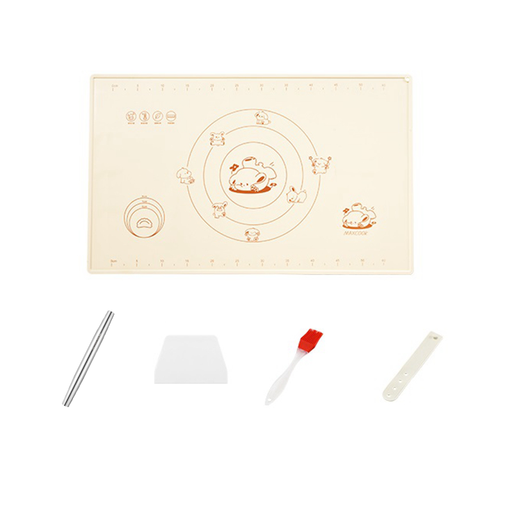
Why it's a great fit: This large silicone baking mat is an all-rounder. It's suitable for rolling out dough, as a clean work surface, or as a reusable alternative to parchment paper. Ideal for families who bake often and value a non-slip, large work surface.
The reinforced, non-slip base grips firmly to the countertop and prevents slipping while kneading—a clear sign of stability. According to the manufacturer, the material is 100% food-grade silicone and BPA-free.
The integrated measurement guides (rulers and circles) make it easy to portion dough precisely. The mat is heat-resistant and can even be cleaned with boiling water for sterilization.
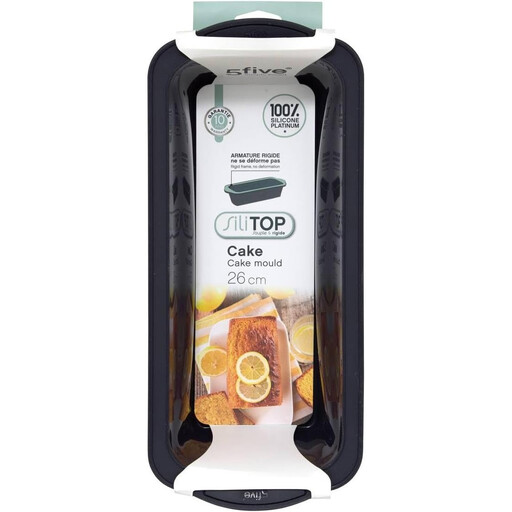
Why it's a great fit: This silicone loaf pan is the standard for pound cakes, banana bread, or p?tés. It is aimed at anyone looking for a reliable, easy-to-handle mold for everyday baking projects.
This model solves the stability problem in a clever way: an integrated steel frame gives the mold the necessary rigidity. This allows it to be lifted and transported safely without bending.
The combination of a rigid frame and flexible silicone merges stability with the benefits of a non-stick surface. According to the manufacturer, the mold is heat-resistant up to 220°C and is dishwasher-safe.
We have compiled a complete, up-to-date list of products that fully meet these strict selection criteria and safety standards.
Generally, greasing is not necessary due to the natural non-stick properties of high-quality silicone. However, for the very first use, or with recipes that are very low in fat, lightly greasing it with oil or baking spray can make removal even easier.
Most quality molds are dishwasher-safe, which makes cleaning very convenient. For hand washing, warm water and a mild dish soap are sufficient. Avoid abrasive sponges or harsh detergents, as these can damage the surface. If a sticky grease film builds up over time, you can place the empty mold in the oven at 180°C (350°F) for about 10 minutes. The heat helps to break down the oils, after which the mold can be washed as usual.
A reliable indicator is the "pinch test" mentioned earlier: a high-quality mold will retain its color when squeezed and twisted, while lower-quality material with fillers will show white streaks. Also, look for manufacturer specifications on material composition (e.g., 100% platinum silicone), certification like the LFGB standard (German Food and Feed Code), and a clearly defined, high temperature range.