
Lieferung heute & morgen

Qualitätsgarantie

Willkommens-Angebote freischalten: KOSTENLOSE Lieferung | Bis zu 80 % RABATT | Kostenlose 30-Tage-JoyPlus-Testphase
App herunterladen
As a Joybuy Product Recommendation Officer, I see every day how the right kitchen equipment can simplify the baking process. A silicone baking mould comes with many promises: effortless cake release, easy cleaning, and space-saving storage. However, not every product delivers. Many home bakers invest in a mould that quickly proves to be impractical or of poor quality. Before you make a decision, it's crucial to understand the typical pitfalls often hidden behind appealing marketing.
The three most common problems that lead to a bad purchase are:
A smart purchase isn't based on advertising claims, but on an understanding of fundamental product features.
To avoid disappointment, you should focus your attention on three objective criteria. These define the functionality and longevity of your bakeware.
The foundation of any high-quality silicone mould is the material itself. Look for the "food-grade silicone" label. The LFGB standard, a benchmark in Germany and the EU, is a reliable indicator that the product has been tested for food contact and does not release harmful substances. Another important designation is "BPA-free". A crucial factor for versatility is temperature resistance. A good mould should cover a wide range, for example, from -20°C to +220°C. This allows not only for baking in the oven but also for preparing frozen desserts. Being dishwasher-safe also simplifies cleaning considerably.
A good silicone cake tin or silicone bread mould must strike a balance between flexibility and stability. To prevent the dreaded bulging, manufacturers have developed functional solutions. Look for models with:
The selection of moulds is vast and should be tailored to your baking repertoire.
Instead of making a one-size-fits-all recommendation, we have selected products tailored to specific user profiles and their needs.
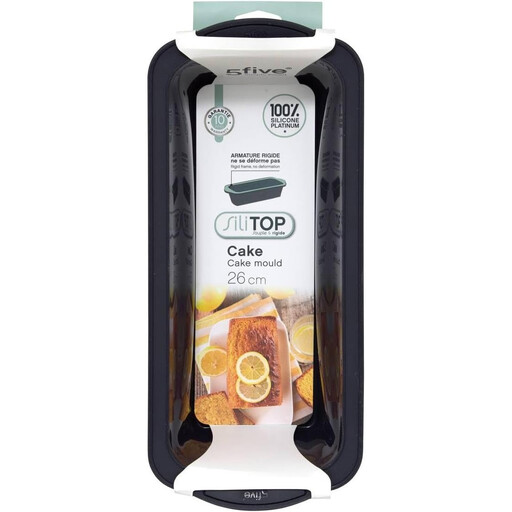
Why This Fits Their Persona: Ideal for anyone who regularly bakes classic loaf cakes, moist banana breads, or savoury loaves. This model is designed for durability and straightforward handling for weekly use.
The combination of steel and silicone solves the problem of poor structural stability. The integrated frame prevents the silicone loaf tin from bulging under the weight of the dough.
Combines the stability of a metal tin with the advantages of silicone (non-stick, dishwasher-safe). The rigid structure makes filling and transport easier.
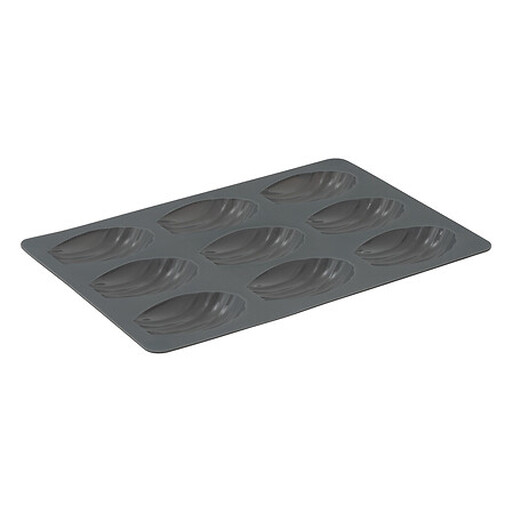
Why This Fits Their Persona: For bakers who value authenticity and want to create classic French pastries like madeleines with their characteristic shell shape and signature "hump".
This specialty mould delivers precise results that are impossible with a generic muffin tin. It bypasses the disappointment of the final product not matching the original.
The precisely shaped shell cavities ensure an authentic appearance. The highly flexible silicone allows for easy release without damaging the delicate ridges of the pastry.
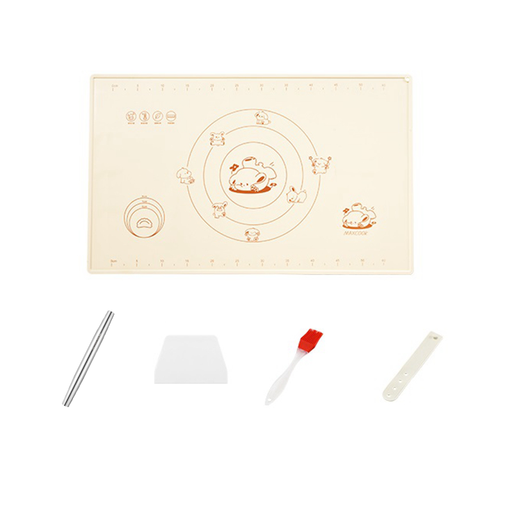
Why This Fits Their Persona: Perfect for beginners who need a clean and controlled work environment. This silicone baking mat is more than just a surface; it's a multifunctional tool for dough preparation.
It solves the problem of an unsuitable work surface. The non-slip base grips the countertop, preventing it from sliding around during kneading—a common frustration for beginners.
The integrated measurement markings (rulers and circles) allow for precise portioning and rolling of dough. The material is heat-resistant and can be cleaned with boiling water for sterilisation.
We've compiled a complete, up-to-date list of products that fully meet these strict selection criteria and safety regulations.
For the first use, it's often recommended to lightly grease the mould or rinse it with cold water to activate its non-stick properties. With high-quality moulds, this is usually no longer necessary for subsequent uses. However, for very high-sugar or high-fat batters, a touch of baking spray or oil can help guarantee a perfect, stick-free release.
Most silicone moulds are dishwasher-safe. For manual cleaning, warm water, mild washing-up liquid, and a soft sponge are sufficient. Do not use abrasive cleaners or steel wool, as these can damage the surface. If a sticky film of grease residue builds up over time, the mould can be soaked for a few minutes in a mixture of hot water and a little baking soda or vinegar.
Yes, as long as it is high-quality, food-grade silicone. Products that comply with the LFGB standard are tested to ensure they do not release any harmful substances within their specified temperature range. It is crucial not to exceed the manufacturer's stated maximum heat resistance and never to place the mould on a direct heat source like a hob or over an open flame.