
Lieferung heute & morgen

Qualitätsgarantie

Willkommens-Angebote freischalten: KOSTENLOSE Lieferung | Bis zu 80 % RABATT | Kostenlose 30-Tage-JoyPlus-Testphase
App herunterladen
The right silicone baking mold promises effortless baking: no sticking, easy cleaning, and perfect results. In practice, however, the reality is often different. Many home bakers invest in a mold that loses its functionality after just a few uses or leads to disappointing bakes. Before you make a decision, it's crucial to understand the typical weaknesses often hidden behind appealing marketing.
This guide, created by the Joybuy Product Recommendation Officer, will walk you through the key quality indicators and help you make an informed choice that truly meets your baking needs.
The market is flooded with an overwhelming selection of silicone bakeware. Not all of them live up to their promises. Watch out for these three common problems:
To avoid a bad purchase, you should check three technical parameters before buying. These features separate functional, durable products from short-lived frustrations.
The foundation of any good silicone mold is its material. Look for the 100% food-grade silicone label. This material is tested for contact with food and does not release harmful substances at recommended temperatures. A simple hands-on method is the "pinch test": bend or twist the silicone firmly. If white lines appear at the crease, it's a sign of fillers in the material. Pure silicone retains its color.
Stability is crucial for handling and baking results. There are two basic designs here:
A high-quality silicone cake pan should cover a wide temperature range, typically from -20°C to +220°C. This allows not only for baking in the oven but also for preparing chilled or frozen desserts. Another important feature for everyday convenience is whether it is a dishwasher-safe baking mold. This significantly simplifies cleaning and ensures hygienic reuse.
Based on the criteria above, we have identified several products suited for specific user profiles and their needs.
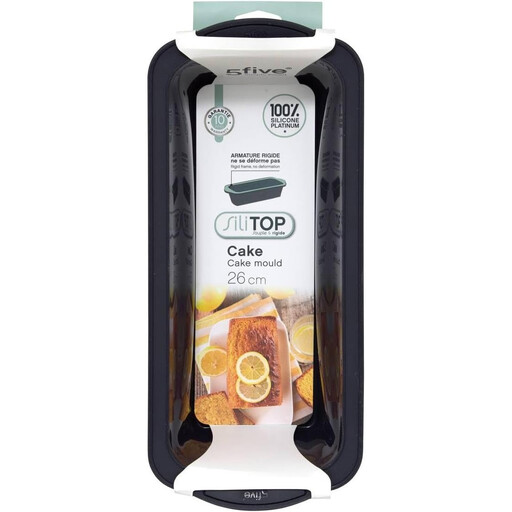
Why it's a great fit: Ideal for anyone who regularly bakes bread or loaf cakes and values a stable, reliable pan. Handling is as easy as a metal pan, but with all the benefits of silicone.
The integrated steel frame completely prevents the pan from bulging or warping. It remains perfectly stable, even with heavy bread dough.
Combines stability with non-stick performance. Heat-resistant up to 220°C and dishwasher-safe for easy cleaning.
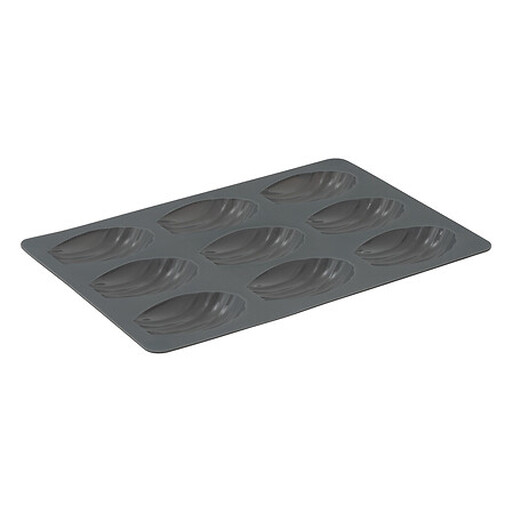
Why it's a great fit: For ambitious home bakers who want to create authentic French pastries like madeleines. The precise shape is crucial here.
The high-quality silicone ensures reliable non-stick performance, allowing the delicate shell shapes to be released without damaging the fine ridges.
Authentic shell shape for professional results. The flexibility allows for easy "popping out" of the finished pastries.
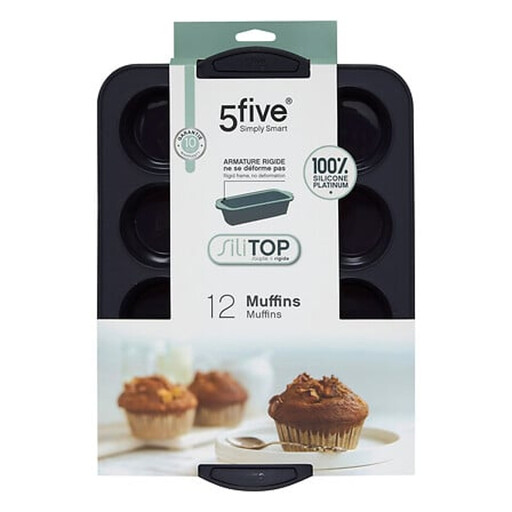
Why it's a great fit: Perfect for families and anyone who loves to bake muffins or cupcakes in larger batches. This **silicone muffin pan** combines capacity with stability.
The robust construction of silicone and steel prevents the large pan from sagging under the weight of 12 muffins, ensuring an even bake.
High capacity and stability. The mold is reusable and an eco-friendly alternative to paper liners.
We have compiled a complete, up-to-date list of products that fully meet these strict selection criteria and safety regulations.
1. Do you need to grease a silicone baking mold? As a rule, high-quality silicone molds do not require greasing. The material's non-stick properties ensure that the cake releases easily. For the first use, or with very sugary, sticky batters, a light greasing or a spritz of baking spray can help extend the life of the non-stick coating.
2. What's the most effective way to clean a silicone baking mold? Most silicone molds are dishwasher-safe. For manual cleaning, warm water and mild dish soap are sufficient. Over time, a sticky film can build up from stubborn, baked-on residues. To remove this, make a paste of baking soda and water, rub it into the mold, let it sit for a short while, and then rinse thoroughly.
3. How can I identify high-quality silicone? A reliable indicator is the "pinch test" mentioned earlier: a high-quality mold made of 100% platinum silicone will not show any white discoloration when bent. Also, pay attention to the product description and labels that indicate food-grade safety according to EU standards (e.g., LFGB certified). Being odorless is another quality mark.