
Lieferung heute & morgen

Qualitätsgarantie

Willkommens-Angebote freischalten: KOSTENLOSE Lieferung | Bis zu 80 % RABATT | Kostenlose 30-Tage-JoyPlus-Testphase
App herunterladen
Silicone baking moulds and kitchen utensils are popular in many UK households because they are lightweight, flexible and can be suitable for use with non-stick cookware. At the same time, products vary considerably in their material specifications, stability, temperature limits and cleaning requirements. A flexible mould is not automatically practical: without a firm base, it may tip when being carried to the oven, while an overly soft kitchen tool offers little control when handling heavy foods.
This buying guide explains which details are important before you buy and which products suit different usage profiles.
A silicone baking mould is easy to store and saves space, but it needs to be handled securely when being filled. Particularly with runny cake batter, a very soft silicone baking mould may give way at the sides. Models with a stabilising rim, a suitable baking tray or a design that sits securely on a baking sheet are therefore practical choices.
With a silicone muffin mould, the number and size of the cavities are also important. A specification such as “12 cavities” alone says nothing about the capacity or the amount of space required in the oven.
“Heat-resistant” is of limited value without a specific temperature limit. Check the product description for a maximum temperature and the intended area of use. Baking moulds are typically used in the oven, whereas kitchen utensils are also used directly with frying pans and saucepans.
For BPA-free silicone utensils, the absence of BPA should be explicitly stated in the product details. “Food-grade silicone” is another relevant material specification. If this information is missing, you should not automatically assume that the product has particular properties.
Silicone can make it easier to remove baked goods from a mould, but it does not eliminate the need for every other preparation step. The recipe, fat content, baking temperature and complete cooling time also affect the result. With delicate moulds such as a Madeleine mould, lightly greasing the mould may be advisable depending on the batter.
For utensils suitable for non-stick cookware, protecting the coating is also a priority. Silicone spatulas and scrapers are generally more suitable for this purpose than metal tools, but they must not be used for cutting or chopping.
Look for a clear and verifiable material description, such as food-grade silicone. For sets, check the specifications for every component: a handle may be made from stainless steel, plastic or wood, while only the head is made from silicone.
According to the product description, the COOKER-KING set is BPA-free and made from heat-resistant silicone. It also explicitly states that the handles are not made from solid wood. Details like these help prevent false expectations about the product.
For baking moulds, suitability for the oven and, where applicable, the freezer is important. According to the product data, the 5FIVE Silicone Tart Mould is suitable for use in the oven and freezer. This makes it versatile for tarts, quiches and chilled desserts. Nevertheless, check the current product specifications for the precise maximum temperature before use.
With turners and spatulas, it is important not to leave the utensils in a hot pan for extended periods. Avoid naked flames where this is stated in the relevant product specifications. Damaged, melted or cracked silicone parts should no longer be used.
A silicone tart mould measuring 37 × 22 × 3 cm is suitable for shallow baked goods, but requires enough space on the baking sheet. The 5FIVE Manqué Mould measures 30 × 30 × 6 cm and has a deeper design. By contrast, a Madeleine mould measuring 36 × 21,5 × 2 cm is designed for small, shell-shaped cakes.
Cleaning is also part of the ongoing cost of use. Dishwasher-safe kitchen utensils can reduce cleaning effort, although you should follow the manufacturer's instructions on where to place them in the dishwasher. According to the description, the COOKER-KING set is recommended for cleaning in the upper dishwasher rack. With silicone moulds, thorough drying and checking for cracks can help prevent premature replacement.
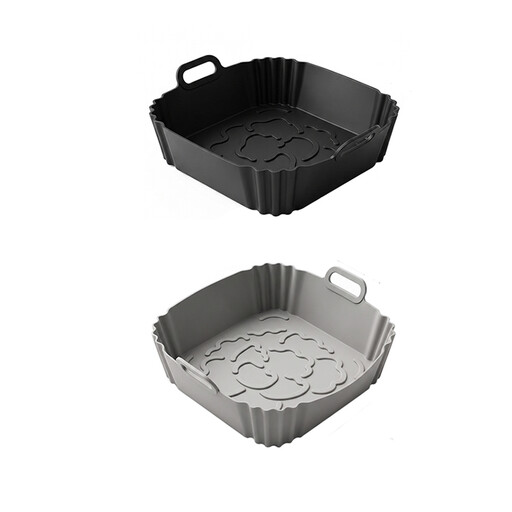
Why this product suits this profile: Two square baking moulds measuring 21,5 × 21,5 cm offer a straightforward starting point for small cakes, traybakes or prepared portions.
The two-piece set makes the actual quantity and sizes clear, reducing the risk of buying just one unsuitable mould.
Two moulds, compact dimensions and low weight according to the product details.
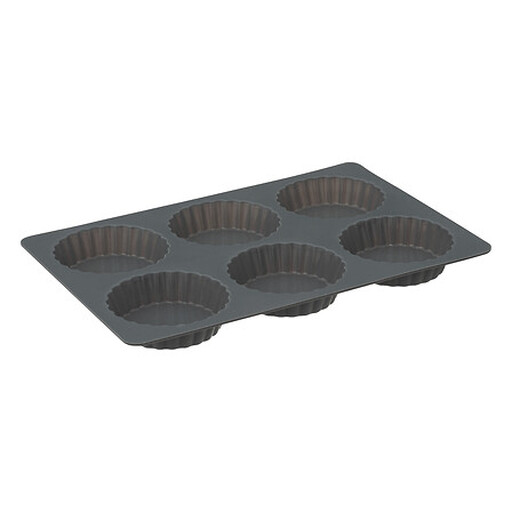
Why this product suits this profile: The shallow, oblong mould measuring 37 × 22 × 3 cm is ideal for households that want to prepare tarts, quiches and shallow cakes with precision.
The clearly stated dimensions help you choose a mould based on the baking size you need, rather than selecting one accidentally based on the photo.
Food-grade silicone according to the product description; stated to be suitable for the oven and freezer.
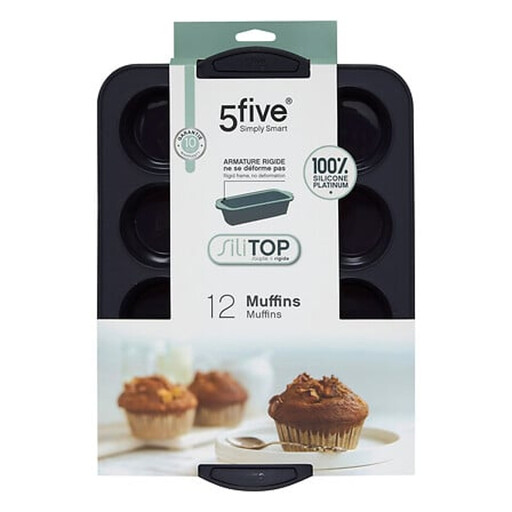
Why this product suits this profile: This silicone muffin mould has 12 cavities and a steel structure. It is designed for frequent baking and easier handling when placing it in the oven.
The integrated steel structure addresses the typical weakness of very soft moulds: the difficulty of carrying a filled muffin mould securely.
12 cavities, each measuring 6,5 cm in diameter; suitable for the oven according to the product description and compliant with EU standards.

Why this product suits this profile: This kitchen utensil set covers turning, stirring and serving, making it suitable for households with non-stick cookware and several daily cooking tasks.
The included components and the “silicone only” material description prevent false expectations about wooden handles or unspecified individual materials.
Multiple utensils for frying pans and saucepans; suitable for the upper dishwasher rack according to the product details.
We have put together a complete, regularly updated list of products that fully meet these strict selection criteria and the safety regulations applicable in the EU.
Many silicone baking moulds are designed for oven use, but their specific suitability and maximum temperature must be stated in the product details. Place flexible moulds on a baking sheet before filling them wherever possible. This helps prevent them from bending when being carried.
Their lifespan depends on the quality of the material, exposure to heat, cleaning and storage. Cutting, sharp-edged objects, naked flames and leaving them on a hot frying pan for extended periods can damage the material. The product should be replaced if it develops cracks, becomes misshapen or shows signs of melting.
Some products are explicitly described as dishwasher-safe, while others may only be cleaned by hand. For sets, the manufacturer's instructions for the complete product are decisive. Do not use abrasive sponges, and check silicone heads and connection points regularly.