
Lieferung heute & morgen

Qualitätsgarantie

Willkommens-Angebote freischalten: KOSTENLOSE Lieferung | Bis zu 80 % RABATT | Kostenlose 30-Tage-JoyPlus-Testphase
App herunterladen
A silicone baking mold offers many promises: effortless cake release, easy cleanup, and space-saving storage. In practice, however, not all products deliver. Many home bakers invest in a mold that quickly proves to be impractical or unusable. Before you make a decision, it's crucial to understand the typical weaknesses that often only become apparent after the purchase.
This guide reveals the three most common problems with silicone baking molds and explains the key features you should look for to find a durable and functional addition to your kitchen.
The 3 Hidden Flaws in Low-Cost Silicone Baking Molds:
To avoid these pitfalls, you should base your purchasing decision on objective criteria. Pay attention to the following three features to ensure your new silicone mold delivers professional results.
The foundation of any good silicone mold is the material itself. Look for the food-grade silicone designation. High-quality products are often made of platinum silicone, which is considered particularly pure, odorless, and durable. It contains no plasticizers (like BPA) and does not release any unwanted substances into your baked goods, even at high temperatures. A smooth, non-porous surface is another indicator of quality, as it minimises discoloration and odor retention.
A good silicone cake mold is never flimsy. Look for sufficient material thickness, especially at the rims and base. Some models, like the Silitop series, integrate a rigid frame made of metal or firmer plastic, which provides maximum stability without compromising flexibility during release. For specific pastries like muffins or madeleines, a precisely shaped cavity is crucial for each piece to bake evenly and achieve its characteristic shape.
The versatility of a silicone mold is evident in its temperature range. A high-quality model is not only suitable for the oven but also for the microwave, freezer, and refrigerator. This opens up possibilities for chilled desserts, ice cream, or mousses. Another crucial feature is how easy it is to clean. A dishwasher-safe baking mold saves time and ensures that even greasy residues are hygienically removed.
Not every mold is right for every baker. Here are three recommendations tailored to different needs and baking projects.
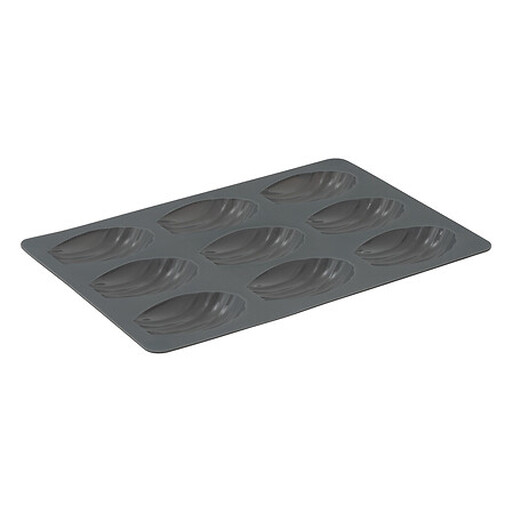
Why This Fits Their Persona: Perfect for home bakers who want to create authentic French classics with the characteristic shell shape and signature "hump." The mold is designed for precise detail reproduction.
The highly flexible silicone allows for easy release of the madeleines without damaging the delicate ridges. This counteracts the problem of inadequate non-stick properties with intricate pastries.
Classic Shell Geometry: Precisely shaped cavities for authentic results. Rapid Heat Transfer: The lightweight material ensures quick browning of the edges.
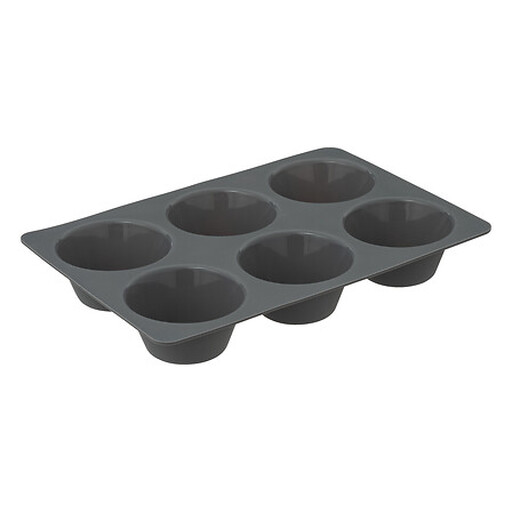
Why This Fits Their Persona: Ideal for families and anyone who regularly makes muffins, cupcakes, or small savory snacks. This mold is designed for efficiency and uniform results.
The high-quality, non-porous silicone is stain- and odor-resistant. It solves the problem of inferior materials that become unsightly or absorb smells after just a few uses.
Uniform Design: All cavities are identically shaped for consistent baking results. Effortless Cleaning: The mold is dishwasher-safe and easy to clean by hand.
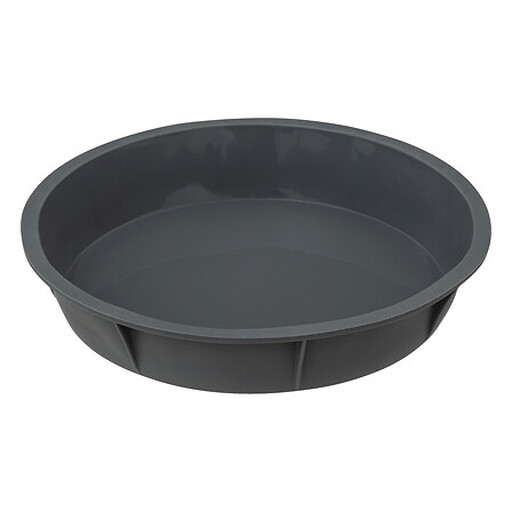
Why This Fits Their Persona: For anyone looking for a reliable, deep, and round silicone tart pan for classic sponge cakes, fruit tarts, or quiches. A versatile basic tool for any kitchen.
The design focuses on structural stability. Despite its light weight, the mold retains its shape even with heavy batter, preventing the sagging that is the most common flaw in low-cost molds.
Classic Manqué Shape: The deep, slightly flared shape is ideal for tall, airy cakes. Seamless Release: The smooth surface ensures the cake slides out of the mold without sticking.
We have compiled a complete, up-to-date list of products that fully meet these strict selection criteria and German safety regulations.
For the first few uses, greasing is generally not necessary, as the non-stick properties are at their strongest. With frequent use or for very sugary and sticky batters, lightly greasing with a neutral oil or baking spray can help maintain the longevity of the non-stick coating and guarantee a perfect release.
Most high-quality silicone molds are dishwasher-safe. For manual cleaning, warm water, mild dish soap, and a soft sponge are sufficient. Avoid abrasive brushes or aggressive cleaning agents, as they can damage the surface. For stubborn, greasy residues, the mold can be soaked briefly in hot water with a little dish soap.
Look for three main features: