
Lieferung heute & morgen

Qualitätsgarantie

Willkommens-Angebote freischalten: KOSTENLOSE Lieferung | Bis zu 80 % RABATT | Kostenlose 30-Tage-JoyPlus-Testphase
App herunterladen
A flexible, non-stick baking mold that releases cakes effortlessly—that's the promise of a silicone baking mold. In practice, however, the reality is often different: unstable molds that give way when filled, or materials that quickly absorb odors and discolor. Before you make a purchase, it's wise to know the most common pitfalls that can lead to disappointment in the kitchen.
This guide focuses on the objective criteria that define a durable and functional silicone baking mold, helping you distinguish marketing promises from actual product quality.
Many silicone baking molds look identical at first glance, but differences in construction and material have a significant impact on baking results and longevity.
To avoid the problems mentioned above, you should check three key parameters before buying. These define whether a silicone mold will be a worthwhile addition to your kitchen.
The most important characteristic is the material composition. Look for the "food-grade silicone" label. In Germany, products that come into contact with food are subject to the German Food, Commodities and Feed Code (LFGB). A corresponding declaration of conformity from the manufacturer is an important indicator of safety.
High-quality silicone baking molds are often made of platinum silicone. This material is cured using platinum as a catalyst, which makes it exceptionally pure, odorless, tasteless, and temperature-resistant. A simple way to detect fillers is the "pinch test": bend or twist the mold sharply. If white lines appear in the crease, this indicates the use of fillers. Pure silicone retains its color.
A good silicone mold strikes a balance between flexibility for easy release and stability for safe handling. Look for the following design features:
The versatility of a silicone mold depends on its temperature resistance. Most high-quality molds are designed for a range of -40°C to +230°C (-40°F to +446°F). This allows not only for baking in the oven but also for use in the microwave and freezer to prepare ice cream or chilled desserts. Furthermore, a good dishwasher-safe baking mold is a significant convenience for cleanup.
The precision of the shape is crucial for specialty baked goods. For a Madeleine mold or a silicone cookie mold, the contours must be sharp and exact to achieve the pastry's characteristic appearance.
Based on the quality criteria mentioned, we have compiled a selection of silicone baking molds suitable for various applications.
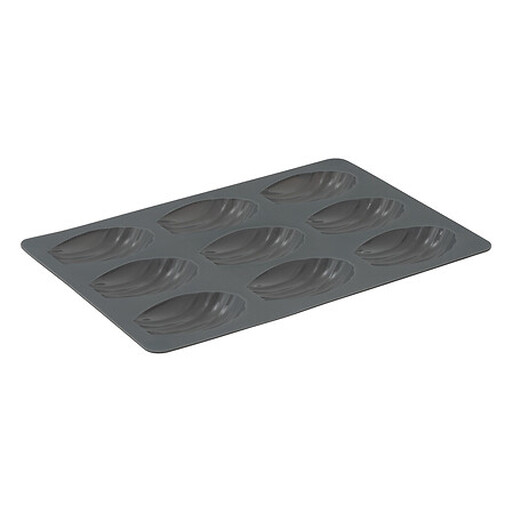
Why it's a great fit: Ideal for lovers of classic French p?tisserie who value the authentic shell shape and fine ridges of Madeleines.
The precisely crafted cavities ensure the exact shape definition that is often lost in generic molds. The high-quality silicone provides a clean release without sticking, preserving the fine details.
Classic shell geometry for authentic results. The material's high flexibility allows for easy release of the delicate little cakes.
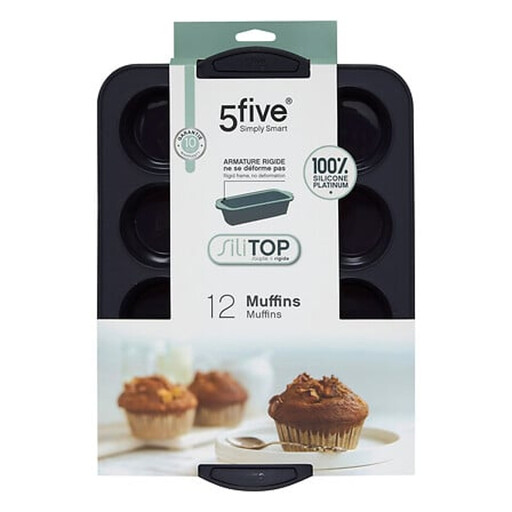
Why it's a great fit: Perfect for regularly baking muffins or cupcakes for the family. The focus is on efficiency, easy handling, and cleanup.
The combination of silicone and an integrated steel frame completely solves the problem of poor stability. The mold can be lifted and transported securely even when full, without bending.
Excellent stability due to the material combination. The 12 cavities allow for efficient baking of larger batches.
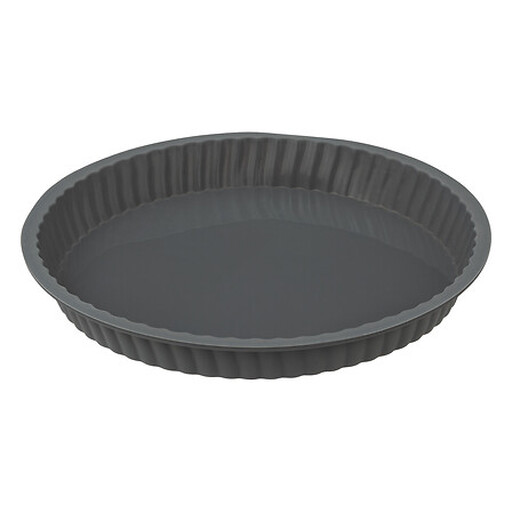
Why it's a great fit: For anyone who makes not just cakes, but also sweet and savory tarts, quiches, or chilled desserts. The mold offers creative freedom for a variety of dishes.
Its balanced weight (100 g) and structural integrity ensure that even delicate shortcrust pastry bases hold their shape. The even heat distribution prevents a soggy bottom.
Classic tart silhouette for a professional look. The even heat conduction ensures a consistently crisp crust.
We have compiled a complete, up-to-date list of products that fully meet these strict selection criteria and German safety regulations.
For the first use, it is recommended to lightly grease the mold with oil or butter. For subsequent uses, this is usually no longer necessary with high-quality silicone molds. However, for very sticky batters or to achieve a particularly even browning of the crust, light greasing can still be beneficial.
Most silicone molds are dishwasher-safe. To remove stubborn grease residues or odors that can build up over time, there is an effective method: Heat the empty, clean mold in the oven for about an hour at 180°C (350°F). The heat causes the oils embedded in the silicone to "sweat out." Afterward, the mold can be cleaned as usual with dish soap and hot water.
A reliable indicator is the previously mentioned "pinch test": bend the material. If the color remains uniform, it is likely pure silicone. If a white discoloration appears at the crease, fillers have been added. Also, look for certifications like the LFGB seal, which confirms suitability for food contact under German law.