
Lieferung heute & morgen

Qualitätsgarantie

Willkommens-Angebote freischalten: KOSTENLOSE Lieferung | Bis zu 80 % RABATT | Kostenlose 30-Tage-JoyPlus-Testphase
App herunterladen
A good silicone baking mold promises a lot: effortless cake release, easy cleaning, and compact storage. In practice, however, many products fail to meet these expectations. Instead, flimsy walls, fading non-stick properties, and subpar materials lead to frustration in the kitchen.
As your Joybuy Product Recommendation Officer, I'm here to help you separate the wheat from the chaff. This guide will show you what to look for to find a durable and functional silicone mold that will reliably support your baking projects.
Many baking enthusiasts invest in silicone molds only to be disappointed shortly after. This is often due to three specific problems that aren't immediately obvious at the time of purchase.
To avoid these pitfalls, you should check three key aspects before buying. These features determine whether a flexible baking mold is a worthwhile addition to your baking accessories or just a source of trouble.
Stability is absolutely essential, especially for larger molds. A purely flexible mold is easy to store, but it always requires a baking sheet underneath for support when filling it and transferring it to the oven.
Models with integrated reinforcements offer a well-designed solution. The 5five Silitop Silicone Loaf Tin, for example, combines a steel frame with a silicone baking surface. This construction prevents the mold from bulging and ensures stability while retaining the benefits of non-stick properties and easy cleaning.
Look for the "100% food-grade silicone" label. This material is free from fillers and plasticizers like BPA. A simple indicator of material purity is the "pinch test": bend or pinch the mold firmly. If white lines or discoloration appear, it likely contains fillers. Pure silicone retains its original color. High-quality silicone also ensures even heat distribution for consistent baking results and is suitable for a wide temperature range—often from -20°C to +220°C.
While a round or square mold is versatile, certain types of pastries require a specific geometry for an authentic result.
Choosing the right mold isn't a luxury; it's a prerequisite for achieving professional results at home.
Here are some recommendations tailored to the specific needs of home bakers in the UK and Europe.
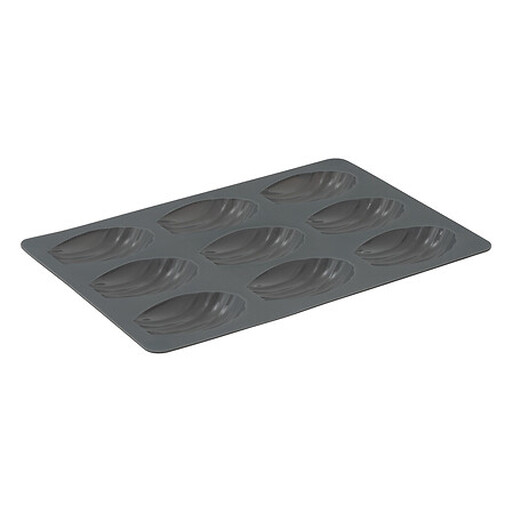
Why This Fits Their Persona: Perfect for bakers who value the authentic preparation of French classics and strive for precise, detailed results.
Made from 100% premium silicone without fillers, it prevents the absorption of foreign odors and ensures the delicate grooves of the madeleines don't stick.
The precisely shaped shell cavities provide a classic look. The highly flexible material allows for easy release without damaging the pastry.
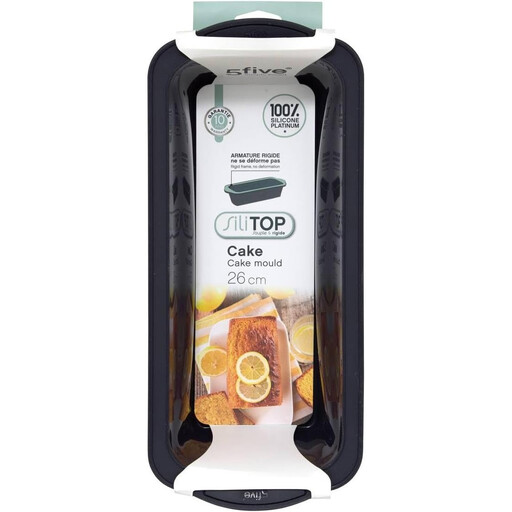
Why This Fits Their Persona: Ideal for regularly baking bread and loaf cakes, where stability and easy handling are top priorities.
The integrated steel frame solves the "wobble effect" problem. The mold holds its shape even with heavy dough, resulting in an evenly baked loaf.
Combines the structural stability of metal with the non-stick and easy-to-clean benefits of silicone. Dishwasher-safe for hassle-free cleanup.
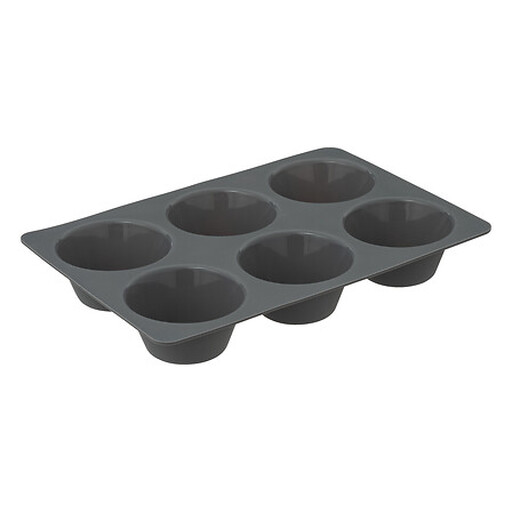
Why This Fits Their Persona: For anyone who regularly bakes muffins or cupcakes for family, school, or the office and needs a reliable, reusable, and easy-to-clean solution.
The non-porous surface of high-quality silicone provides a durable non-stick effect that lasts through many wash cycles, preventing batter from sticking.
Allows for baking without paper liners and easy popping-out of finished muffins. The mold is dishwasher-safe and stain-resistant.
We've compiled a complete, up-to-date list of products that fully meet these strict selection criteria and European safety regulations.
For the first use, it's recommended to lightly grease the mold with oil or baking spray. With high-quality silicone molds, this is often no longer necessary for subsequent uses. However, for very sticky or high-sugar batters, a thin layer of grease can still help ensure a perfect release.
Most silicone molds are dishwasher-safe. For manual cleaning, warm water and a mild dish soap are sufficient. Avoid abrasive sponges or harsh cleaning agents. For stubborn, greasy residues, a paste of baking soda and water can help. Apply it, let it sit for a short time, and then rinse thoroughly.
A reliable indicator is the "pinch test" mentioned earlier: bend the mold. If it retains its color, it indicates pure silicone. A white discoloration at the crease is a sign of fillers. Also, look for labels like "100% food-grade silicone" and certifications like the LFGB mark, which confirms compliance with German and European food safety regulations.