
Lieferung heute & morgen

Qualitätsgarantie

Willkommens-Angebote freischalten: KOSTENLOSE Lieferung | Bis zu 80 % RABATT | Kostenlose 30-Tage-JoyPlus-Testphase
App herunterladen
A good silicone baking mold promises effortless baking: no sticking, easy cleaning, and perfect results. Yet, the market is flooded with products that fail to deliver on these promises. Many home bakers invest in a new mold, only to find that the cake batter sticks to the edges or the mold develops a strange smell after just a few uses.
As a Joybuy Product Recommendation Officer, I analyze product information daily to help you avoid such disappointments. This guide focuses on the crucial features that define a durable and functional silicone mold and highlights the most common pitfalls that lead to a bad buy.
Before you make a purchase, you should be aware of the three most common problems that occur with low-quality silicone molds. These are often not apparent at first glance but can significantly impact your baking experience.
To avoid these pitfalls, you should focus on three objective criteria. These will help you to factually assess the quality of a silicone cake mold.
The defining feature is the use of 100% food-grade platinum silicone. This material is free of fillers, odorless, and tasteless. A simple indicator is the "pinch test": if you bend or twist the material and a white line appears, it likely contains fillers. Pure silicone retains its color. Also, pay attention to the specified heat resistance. A high-quality mold should withstand temperatures from at least -40°C to 230°C (-40°F to 446°F), making it suitable for both the oven and the freezer.
A good silicone mold strikes a balance between flexibility and stability. For larger molds like a cake pan or loaf pan, a reinforced rim or thicker material on the walls is a sign of quality. This prevents the mold from bulging. For smaller muffin molds, greater flexibility is advantageous for easily pushing out the baked goods. The design should not have overly sharp internal corners where batter can get stuck and make cleaning difficult.
For hassle-free use, the mold should be dishwasher-safe. This significantly simplifies cleaning, especially after using greasy batters. To maintain the longevity of the non-stick surface, never use sharp objects like knives in the mold. Proper storage, where the mold is not permanently folded, also helps preserve the material. A good baking mold set made of silicone can last for many years with proper care.
Choosing the right mold largely depends on your individual baking style. Here are three recommendations tailored to different user profiles.
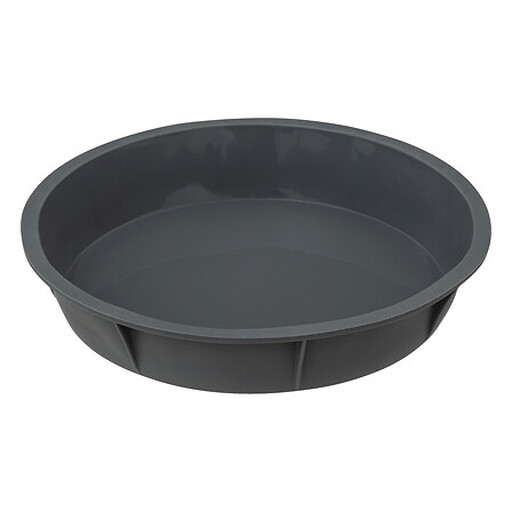
Why it's a great fit: Ideal for those who regularly bake classic round cakes for family or friends. The traditional high-rimmed "Manqué" shape is suitable for a variety of recipes, from sponge bases to fruit cakes.
The product description emphasizes its structural stability, which holds its shape even with heavy batters. This directly counteracts the problem of unstable, sagging molds.
Made from 100% high-performance silicone for even heat distribution and easy cleaning (dishwasher-safe). Its flexibility makes releasing the cake effortless.
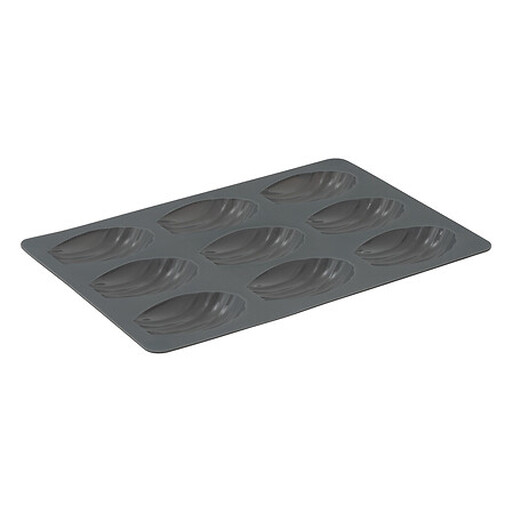
Why it's a great fit: For home bakers looking to expand their skills and try their hand at French p?tisserie. This mold allows for the creation of classic, shell-shaped madeleines.
The precisely shaped cavities and flexible premium silicone are designed to keep the delicate ridges of the madeleines intact upon release. This addresses the pitfall of sticking in detailed molds.
The ultra-light material allows for rapid heat penetration, which is crucial for the characteristic hump and golden-brown edges of madeleines.

Why it's a great fit: Perfect for preparing individual portions, cupcakes, puddings, or small cakes for special occasions like birthdays or Valentine's Day. The set allows you to bake multiple small treats at once.
The high temperature resistance from -40°C to 230°C is an indicator of high-quality material without harmful fillers. The reliable non-stick surface ensures effortless release.
The set of six molds is ideal for preparing desserts for multiple people. The molds are dishwasher-safe, stackable, and therefore space-saving to store.
Besides baking molds, the right accessories are also crucial for perfect results. Discover tools that will help you decorate your creations professionally.
For the first few uses, lightly greasing with oil or butter is recommended to optimize the non-stick properties. For subsequent bakes, this is often no longer necessary with high-quality molds. However, for very sugary or sticky batters, greasing can still be beneficial.
Most silicone molds are dishwasher-safe. For hand washing, warm water and a mild dish soap are sufficient. Avoid abrasive sponges or steel wool, as these can damage the surface. If a greasy film builds up over time, you can "bake" the empty mold in the oven at 180°C (350°F) for about an hour to dissolve the residue.
A high-quality mold is made of 100% platinum silicone, which you can identify with the "pinch test" (it should not turn white). It should have a high heat resistance (up to 230°C / 446°F) and not emit any chemical odors. Additionally, it should feel sturdy and not overly thin, especially at the rims.